Your midi dress works with sneakers, but adding a blazer makes the outfit feel bulky. Or it looks polished enough for dinner, yet feels too bare for the office. The answer usually starts with the dress itself: its fabric, sleeve shape, waistline, and skirt volume determine which layers sit comfortably over it.
Start with one dress you already enjoy wearing. Then build three versions around it: a blazer and loafers for work, a casual jacket and sneakers for the weekend, and jewelry with dressier shoes for dinner. You do not need three completely different sets of accessories. A few deliberate changes can shift the mood while keeping the dress at the center.
Check what your dress can comfortably do
Before choosing a jacket, put the dress on and check it from the front, side, and back. Notice where the fabric clings, where it falls away, and whether the waist sits where you want it. Sit down, walk across the room, and reach forward. A dress that needs constant adjustment will not become easier to wear under another layer.
For this guide, picture a solid-colored midi dress with a gently defined waist, a modest neckline, and a skirt that skims rather than hugs. Sleeveless or slim-sleeved versions offer several layering possibilities. A printed, full-skirted, or fitted dress can work too; it simply changes the balance of the other pieces.
Let the fabric guide the layer
- Fluid woven fabric: A softly draped dress can sit neatly beneath a blazer, but check that the jacket lining does not catch or pull it. Give the dress room to move.
- Structured cotton or a crisp blend: The dress already holds a shape. A roomy jacket may fit more comfortably than a narrow one, especially around gathered waists or sleeves.
- Jersey or a soft knit: Check whether jacket seams, pockets, or fastenings show through. A layer with a smooth interior can be easier to put on without disturbing the dress.
- Thicker ribbed knit: Allow additional room through the blazer’s arms and body. A close-fitting jacket over a substantial knit may restrict movement.
- Satin or another lustrous fabric: Matte layers and uncomplicated shoes can make the dress feel more relaxed. Check the outfit in daylight, since sheen can make folds and creases more noticeable.
Fabric names alone do not tell you everything. Two cotton dresses can have very different weights and shapes. The useful test is whether the actual pieces slide together comfortably and still hang as intended.
Notice sleeves, necklines, and skirt volume
Puff sleeves need space. If a blazer compresses them into ridges, try a jacket with wider sleeves, a vest where appropriate, or a different dress for that combination. Sleeveless dresses are easier to layer over, although the armholes should still feel comfortable when you move.
A full skirt adds volume below the waist, so begin with a shorter or more defined jacket. A straight dress gives you more room to experiment with a relaxed blazer. Neither is a fixed rule: the goal is to keep enough of the dress’s shape visible that the layers feel intentional.
For work: add a blazer and loafers
Build the work outfit around the level of formality your workplace expects. In an office where dresses and loafers fit the dress code, a blazer can give a simple midi a more structured finish. In a more formal setting, the neckline, fabric, coverage, and shoes may all need closer consideration.
Choose the blazer by fit first
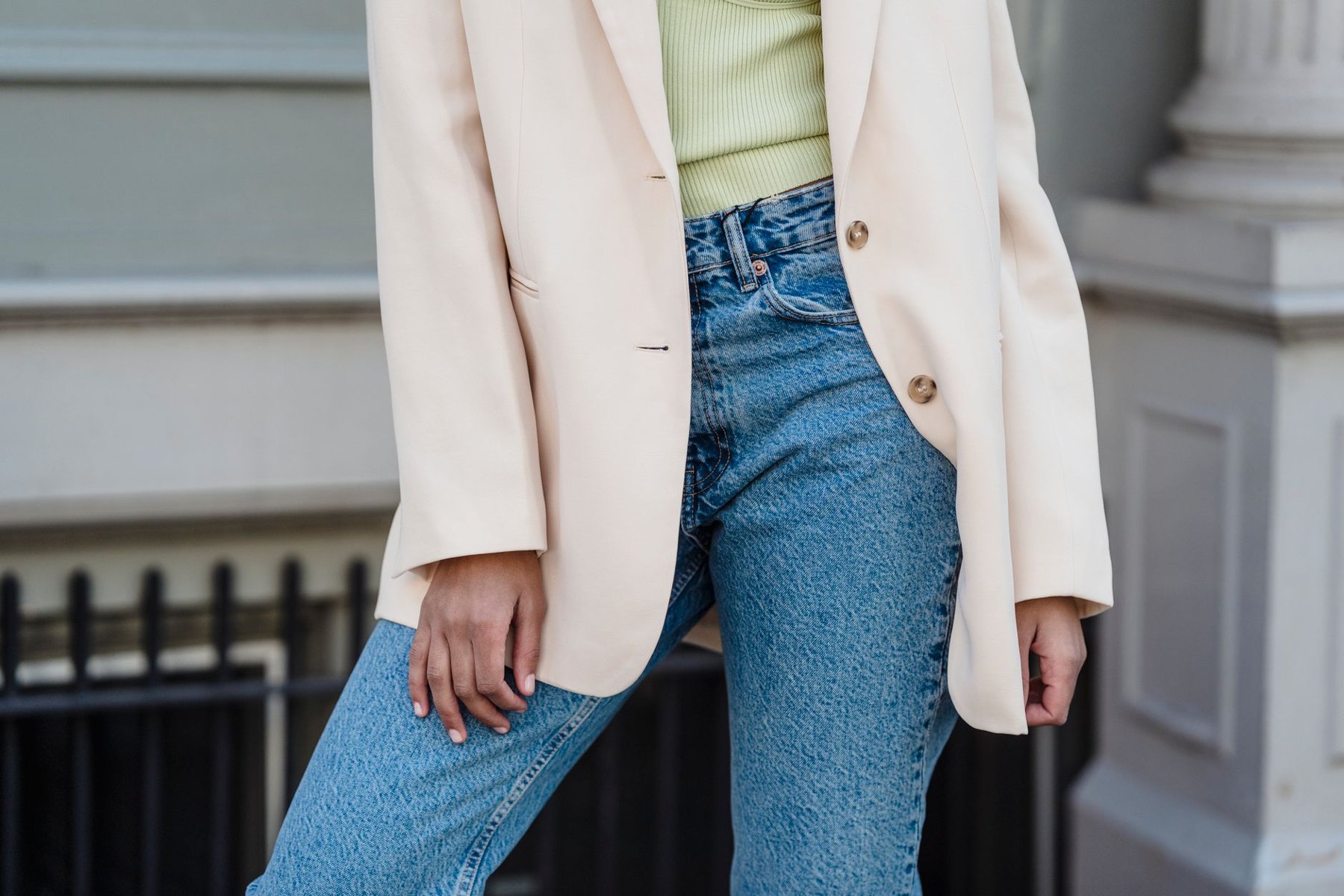
Put the blazer on without changing anything else. The shoulders should sit comfortably, and you should be able to reach toward a keyboard or carry a bag without pulling across the back. If you intend to button it, check it closed as well as open.
With a straight or gently fitted dress, try a blazer that falls around the hip. With a gathered or fuller skirt, start with one that ends closer to the waist or upper hip. A jacket hem that presses against the fullest part of the skirt can make both pieces sit awkwardly.
Leave the blazer open if that lets the dress hang more naturally. If the outfit feels shapeless, try a more defined jacket before adding a belt. A belt can help mark the waist, but it also introduces another fastening and may gather fabric where you would prefer a smoother line.
Keep loafers and practical details in balance
Slim loafers create a relatively quiet finish. Chunkier soles add visual weight and can suit a simple, straight dress, though the combination is worth checking with your particular hem length. If the dress and shoes together feel heavier than you want, try a less substantial sole or a jacket with a cleaner shape.
Finish with a bag that holds your daily essentials without overwhelming the outfit. Small earrings or a watch may be enough. You can repeat a shoe or bag color elsewhere, but every accessory does not need to match.
Example: Wear a navy midi dress with a gray blazer, black loafers, and a black tote. For a softer color combination, try a cream blazer with brown loafers. Keep the dress and change only the pieces that affect comfort or the workplace dress code.
For weekends: add a casual jacket and sneakers
The weekend version should be easy to walk, sit, and spend time in. Swap the blazer for a denim jacket, a casual cotton jacket, or a bomber with enough room for the dress underneath. Then choose sneakers you can comfortably wear for the day you have planned.
Use jacket length to adjust the silhouette
A jacket ending near the waist leaves more of the skirt visible and is a useful starting point with an A-line dress. A longer utility-style jacket can work with a straighter skirt, especially worn open. If the combination feels too enclosed, try a shorter layer before changing the dress.
Pay attention to the jacket hem. An elasticated bomber hem may gather over the dress’s waistband, while a rigid denim jacket may stand away from it. Neither effect is necessarily a problem, but it should feel comfortable when you sit and look the way you want without repeated adjustment.
You can also use texture to change the mood. A denim jacket brings a casual contrast to a fluid dress. A soft cotton jacket creates a quieter combination. If the dress has a busy print, a plain jacket gives the eye somewhere to rest.
Choose sneakers in relation to the hem
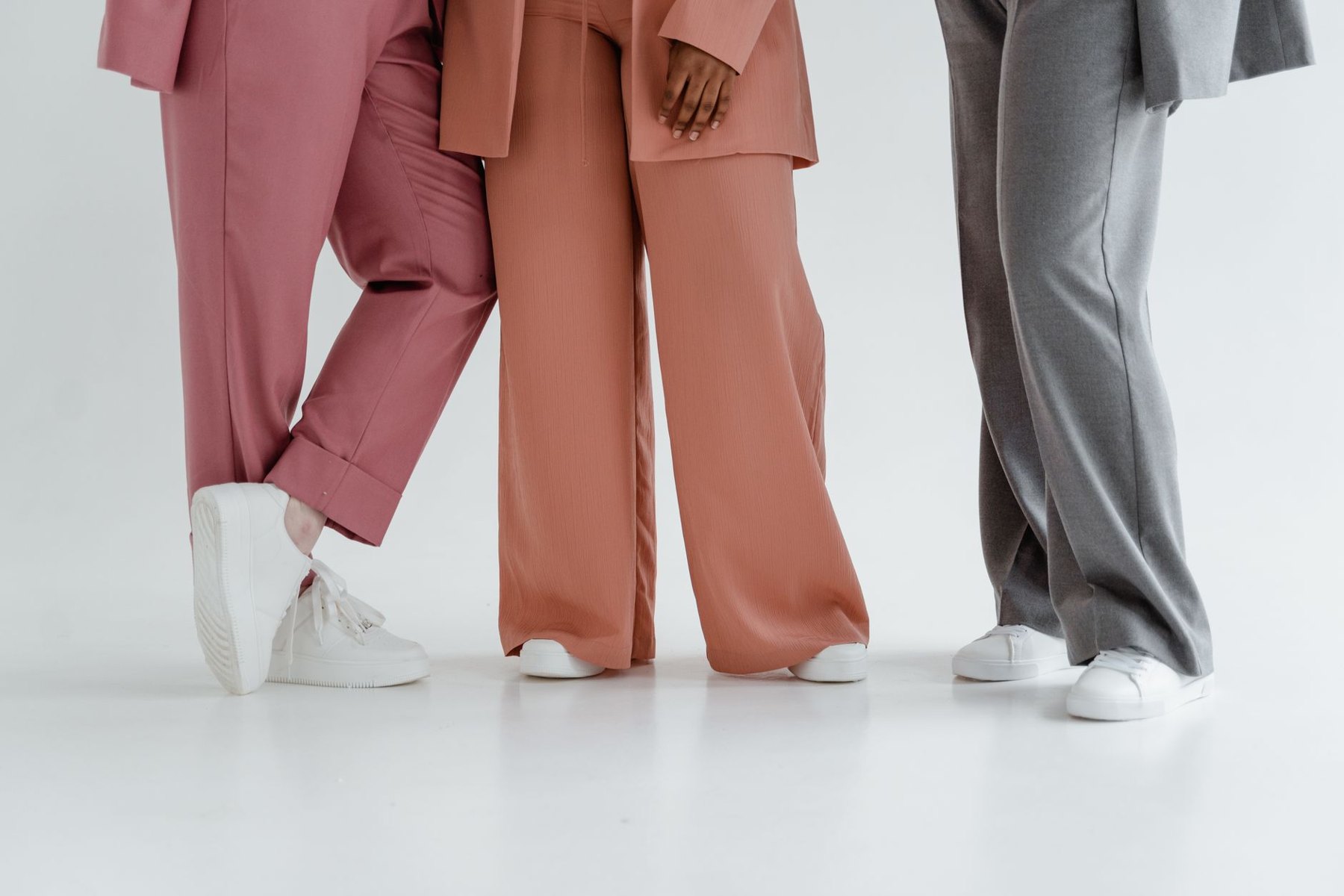
Low-profile sneakers leave a fairly simple outline below the dress. More substantial trainers make a stronger statement and may feel balanced with a wider skirt or a heavier jacket. Try the complete outfit rather than deciding from the shoes alone.
If the hem catches the sneaker tongue or brushes the ground, consider a different shoe or a hem alteration. The label “midi” covers a range of lengths, and the same dress will fall differently on different people.
Example: Pair the navy dress with a faded blue denim jacket, off-white sneakers, and a small crossbody bag. If the dress has full sleeves, substitute a roomier casual jacket. For a cooler morning, a scarf can add warmth without requiring another fitted layer around the arms.
For dinner: change the shoes and choose a jewelry focal point
For dinner, take off the daytime jacket and assess the dress again. You may need only a change of shoes, a smaller bag, and one noticeable piece of jewelry. Let the setting guide how dressed up you want to feel.
Dressier shoes do not have to mean high heels
Consider pointed flats, polished slingbacks, low block heels, or simple heeled sandals. Choose according to the venue, weather, walking distance, and what feels secure on your feet. A shoe you can move in comfortably is more useful than one that only works while standing still.
A fine-strapped sandal creates a different balance from a closed shoe. Try both with the dress if you have them: the lighter-looking option may suit a fluid skirt, while a more substantial shoe may feel right with a structured fabric. These are starting points for comparison, not requirements.
Work with the neckline
With a high neckline, earrings or a bracelet can add interest without crowding the upper part of the dress. With an open neckline, try a necklace that sits clearly above the edge or falls below it. Check that the pendant does not keep catching on the neckline as you move.
Choose one area to emphasize first. If you love bold earrings, put them on before deciding whether you need a necklace. If a necklace is the main detail, smaller earrings may leave the combination feeling less busy.
Example: Style the navy dress with burgundy slingbacks, gold-tone earrings, and a small dark bag. If you need warmth, add a fine cardigan or the work blazer draped and worn normally as needed. Test a wrap before heading out; it should stay in place without occupying your hands all evening.
Adjust the formula to your dress shape
A slip-style midi
A slip-style dress can take on different moods with each of these combinations, but check coverage and movement carefully. A blazer may provide the coverage you want for work, while a casual jacket changes the feel for weekends. If you want to wear a top underneath, test for bunching, visible seams, and pulling at the neckline.
A shirt dress
A shirt dress already has a collar and button front, so keep the surrounding details relatively simple at first. Loafers may be enough to give it a work-ready finish. When adding a blazer, make sure the collar and sleeves settle comfortably. For dinner, a different belt can change the emphasis if the dress has suitable loops and the new belt does not distort the fabric.
A fitted knit midi
Start with layers that have room through the body and sleeves. A relaxed blazer or casual jacket can sit more comfortably over a fitted knit than another close layer. Check the back of the outfit after walking and sitting: knit fabric may shift or catch against the jacket lining.
A full-skirted midi
Begin with a shorter jacket so the skirt can fall freely. If you prefer a longer blazer, wear it open and check that the skirt is not trapped or flattened at the sides. For dinner, the skirt may already provide all the detail you want, leaving shoes and jewelry to play smaller roles.
Make the three outfits easy to repeat
Try all three combinations in one session, using the bags and underlayers you would actually wear. Take a quick photo of each if that helps you remember the proportions. You are looking for outfits that remain comfortable through ordinary movement, not just a pleasing view in the mirror.
- Check the hem with every shoe. Walk forward, turn, and use a step if one is available.
- Sit in each jacket. Notice pressure at the waist, shoulders, and arms.
- Check coverage in normal light. Look at the neckline, armholes, and skirt, including when seated.
- Carry the intended bag. Make sure the strap does not bunch the sleeve or pull the neckline.
- Remove one accessory if the outfit feels busy. Then reassess before adding something else.
Keep the combinations that work as they are. A midi dress with a gray blazer and loafers can become a dependable work outfit; the same dress with denim and sneakers can be ready for Saturday. When dinner comes around, a change of shoes and earrings may be all you need.