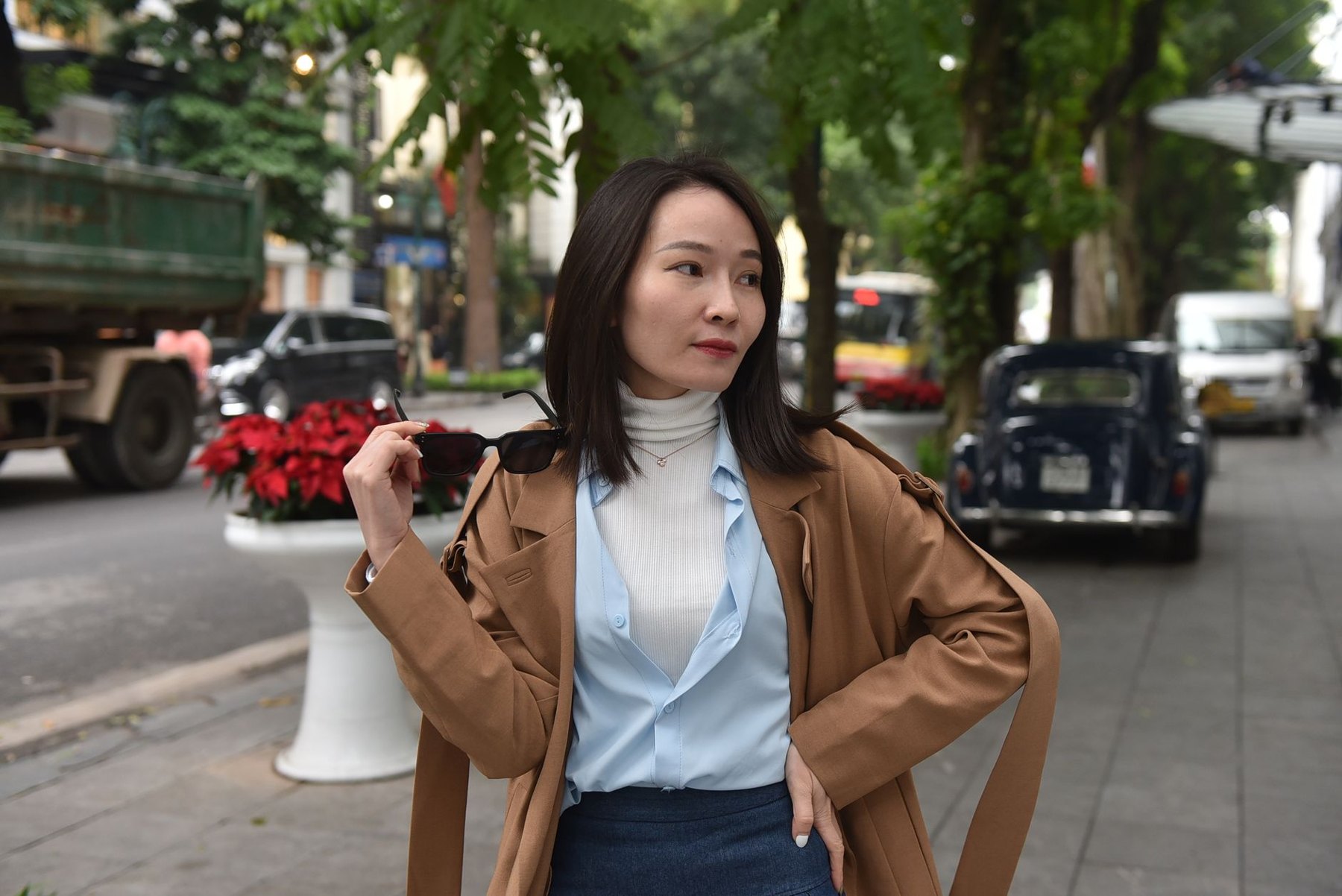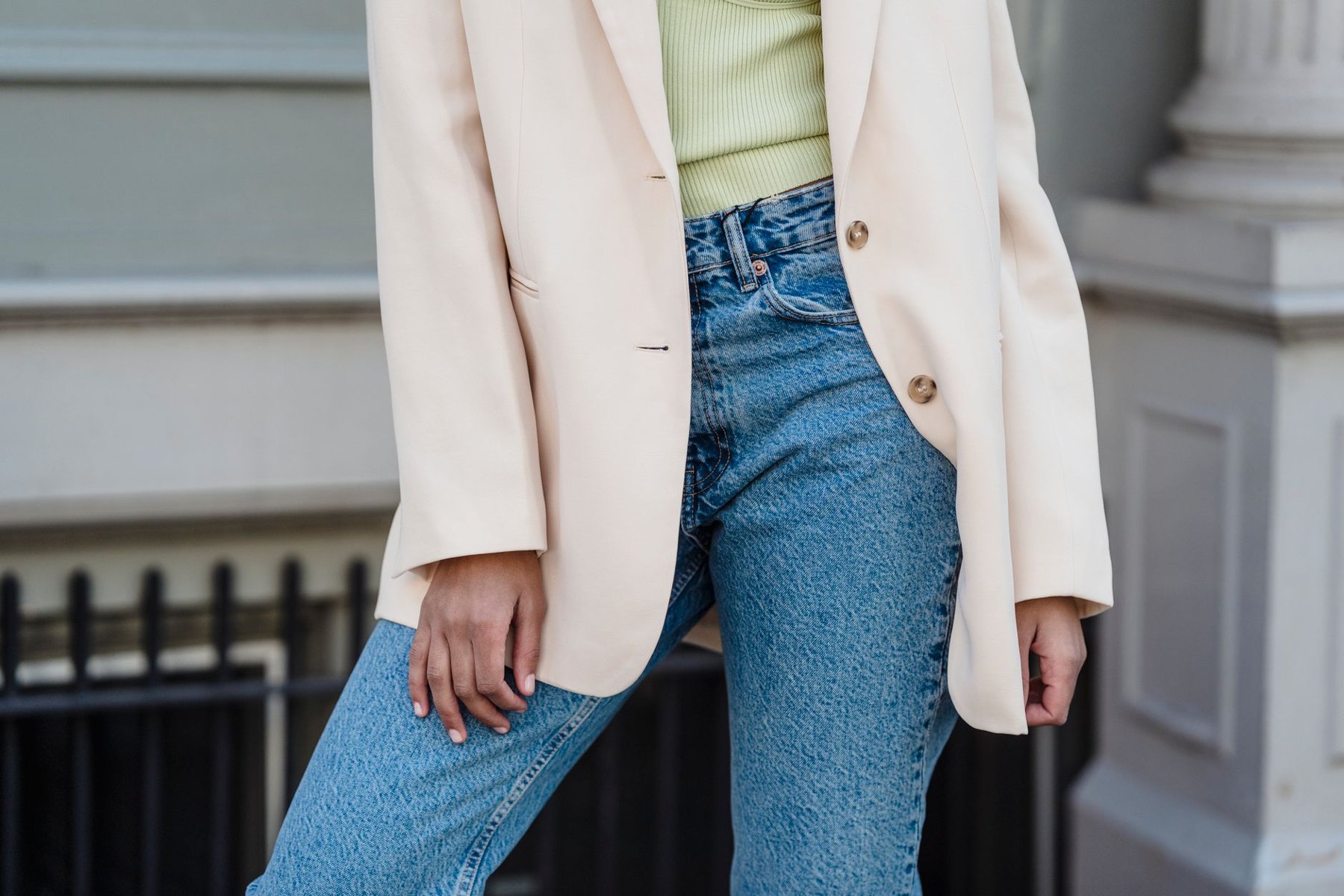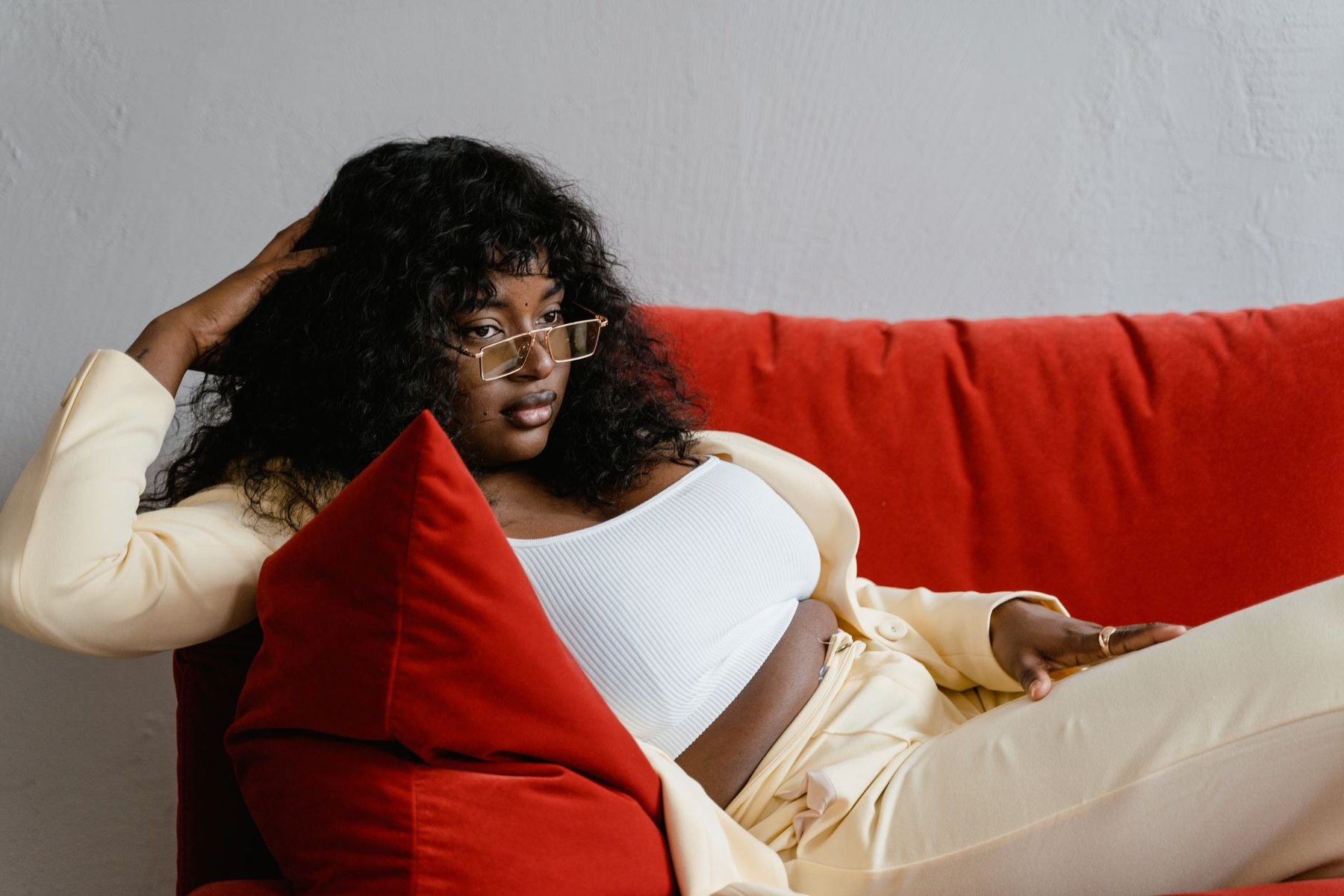
A shirt can look right in the mirror and pull across your back the moment you reach for your bag. Trousers can feel comfortable standing up, then press into your waist at your desk. When planning plus-size outfits, start with the positions and movements your day requires. A useful outfit needs to work while you sit, walk, bend, reach, and put on another layer.
That means looking beyond the number on a label. Shoulder shape, sleeve width, torso length, fabric behavior, and the distribution of room all affect how a garment feels. The aim is to find clothes that accommodate your body and support the silhouette you enjoy. You do not need to make yourself look smaller to make an outfit feel considered.
1. Give the outfit a practical brief
Before choosing individual pieces, identify what the outfit needs to do. A day spent commuting and sitting calls for different decisions from an afternoon outdoors or an evening mostly on your feet. Start with three questions:
- What movements will I repeat? Think about stairs, driving, desk work, carrying a bag, or reaching overhead.
- What will I wear underneath and over it? Include underwear, a base layer, knitwear, and outerwear where relevant.
- Where do I want structure or looseness? You might prefer a defined shoulder with a relaxed waist, or a close-fitting base under an open shirt.
For example, a work outfit might need trousers that remain comfortable through a long meeting, a top that allows forward reach, and a jacket that fits over both. Choose those pieces together. Testing each garment in isolation can miss problems created by their combination.
2. Check shoulder and upper-body fit first
On a conventional set-in sleeve, the shoulder seam is a useful starting point: see where it sits in relation to the edge of your shoulder. It is a reference rather than a universal rule. Dropped shoulders, raglan sleeves, and deliberately oversized cuts have different seam positions.
Pay attention to how the garment behaves. Let your arms rest, then reach forward as though holding a steering wheel. Cross your arms gently and lift them to a height you regularly use. Notice pressure across the upper back, tightness around the upper arms, or a neckline that pulls backward.
If the body feels roomy but the sleeves restrict you, a larger size may add unwanted volume without solving the underlying proportion. A different sleeve cut, wider upper arm, or more suitable armhole shape may work better. Likewise, a jacket that fits your waist but squeezes your shoulders deserves a different cut, even if it fastens neatly.
Read pulling in context
A button placket that opens between buttons, a collar that shifts during movement, or persistent pulling across the back is worth investigating. These signs do not all have one cause. Try a neighboring size, adjust how the garment sits, and repeat the movement. Compare where comfort improves and where excess fabric appears.
For structured pieces, prioritize an upper-body fit you can move in before considering small alterations elsewhere. Changing a hem is generally a more straightforward proposition than rebuilding a shoulder, although the construction of the individual garment matters.
3. Look for ease where you actually need it
Ease is the room a garment provides beyond your body measurements. The amount you enjoy depends on the fabric, cut, activity, and intended appearance. A fitted stretch top and a loose woven shirt can both be comfortable, but they achieve that comfort differently.
Check the bust, upper arms, waist, abdomen, hips, and thighs separately. One area may need more room while another already fits well. When you assess trousers, for example, a comfortable waistband does not necessarily mean there is enough room through the seat or thighs.
- For tops: sit down, reach forward, and check whether the hem or neckline shifts enough to need repeated adjustment.
- For trousers: sit fully in a chair, bend your knees, and take a long step. Notice pressure, pulling, or a waistband that rolls or moves uncomfortably.
- For skirts and dresses: check your walking stride, sitting comfort, and whether the fabric catches or gathers in a way that bothers you.
There is no need to eliminate every fold. Fabric naturally changes shape around a moving body. Focus on restrictions, discomfort, and adjustments you would find irritating throughout the day.
4. Judge fabric by movement, not softness alone
A fabric can feel soft in your hand yet behave awkwardly in an outfit. Notice whether it stretches, drapes, holds its shape, or catches against adjacent layers. These qualities influence comfort as much as the initial touch.
Woven fabrics
A woven garment with little stretch needs enough room in its cut for the movements you expect. Crisp fabrics can create a clear outline, while softer ones may fall closer to the body. Neither is automatically more suitable for plus-size dressing. Choose according to the shape and sensation you prefer.
Stretch fabrics
Stretch can make a close fit easier to move in, but it does not guarantee comfort. Try sitting and bending, then stand again. Check whether the garment returns to a position you like or needs pulling back into place. Notice whether waistbands, seams, or edges feel restrictive even when the main fabric stretches.
Layering surfaces
Run your hand over the inside of a jacket or cardigan, then try it over your intended top. If the layers catch, sleeves may bunch and hems may shift. A smoother inner surface or a less textured base can make the combination easier to wear. Test the actual pairing whenever possible.
5. Use a short movement check
Once you have a possible outfit, spend a few minutes moving in it with the footwear and layers you expect to wear. A repeatable check makes it easier to compare options without relying only on the mirror.
- Stand naturally. Relax your shoulders and breathe normally. Notice any immediate pressure.
- Sit fully. Sit as you would at a desk or table. Check the waistband, front fastening, thighs, and hem coverage.
- Reach forward. Extend your arms and notice pulling through the sleeves, back, and bust.
- Walk and turn. Use your normal stride, then a longer step. See whether the garment twists, rides up, or limits movement.
- Bend gently. Make a movement similar to picking up a bag, within your comfortable range.
- Add the outer layer. Repeat the movements, closing the jacket or coat if you plan to wear it closed.
Afterward, ask how often you needed to adjust something. A single tug while settling a garment may be unremarkable. Repeatedly pulling down a top or repositioning trousers is useful information about whether that combination suits your day.
6. Build layers from the inside out
Begin with the layer closest to your body and add pieces one at a time. Each layer needs room for what sits beneath it. A jacket that works over a thin T-shirt may feel quite different over a substantial knit.
Check sleeve space as carefully as torso space. Gathered sleeves, wide cuffs, and thick knits can become crowded inside narrow outer sleeves. If your arms feel compressed, try a thinner middle layer or an outer piece with more sleeve room. Simply leaving the front open will not resolve tightness around the arms.
Length matters too. Try sitting with the layers together and look for bunching at the waist or seat. A long shirt beneath a shorter sweater may create the visible hem you want, but the same shirt could gather under a closely fitted jacket.
Use one piece to establish the outfit's main shape, then choose the others to support it. For example, wide-leg trousers can pair with a closer base and relaxed cardigan. A full tunic can work with straighter trousers and a coat that accommodates both. These are starting points for managing fabric volume, not rules about which bodies may wear particular shapes.
7. Try three outfit combinations
Desk day: relaxed trousers, a knit top, and a jacket
Start with trousers that feel comfortable while seated. Add a knit top that stays comfortable under the jacket, then check forward reach with the jacket on. If the top gathers beneath the waistband, compare an untucked version, a shorter top, or a looser tuck. Choose the option that needs the least attention during your workday.
Walking day: straight jeans, a T-shirt, and an overshirt
Test the jeans with a long stride and a seated bend. Check that the T-shirt allows the coverage and movement you want. The overshirt should have enough room across the back when you carry your usual bag. If the outfit feels bulky, try a lighter overshirt before changing the proportions you enjoy.
Dress day: a dress with a cardigan or coat
Walk and sit in the dress before adding the outer layer. Check whether the skirt allows your preferred stride and whether the waist placement feels comfortable. Then add the cardigan or coat and assess sleeve room and fabric friction. An open cardigan can provide a different outline, while a closed coat needs adequate room around the full outfit.
8. Adjust the specific problem
Before rejecting a piece, name what is wrong. A waistband gap, excess hem length, tight sleeve, and slipping neckline are different problems. Identifying the location helps you decide whether styling, alteration, another size, or another cut is the useful next step.
| What you notice | What to try | What to consider |
|---|---|---|
| Trousers fit the hips but gap at the waist | Compare a different waist-to-hip cut or ask about a waistband alteration | A belt can gather fabric without resolving the underlying fit |
| A top pulls across the bust | Try more room through the front or a different cut | A larger size may also change the shoulders and neckline |
| Sleeves feel tight beneath a jacket | Use a thinner inner layer or a roomier outer sleeve | Opening the jacket front may not improve arm comfort |
| A hem interferes with walking | Compare a shorter length or ask whether hemming is practical | Details such as vents, borders, and zips can affect the alteration |
| A neckline shifts or slips | Compare shoulder width, neckline shape, and torso length | Sizing down could create tightness elsewhere |
For alterations, try the garment on with the layers and shoes you intend to use. Ask what the proposed change can realistically achieve before committing. Available seam allowance, lining, pockets, and garment construction can limit the options.
9. Keep a small record of what works
Once an outfit passes the movement check, save a photo or a brief note. Record useful details: which trousers stayed comfortable at your desk, which jacket accommodated a sweater, and which shirt length worked without constant tucking. Those observations are more helpful for future outfit planning than a size number alone.
Keep a few complete combinations ready for recurring situations: a seated workday, a day with plenty of walking, and an occasion that needs another layer. When one piece changes, repeat the relevant checks. You will gradually build a wardrobe around clothes that feel good through an ordinary day, with room for the shapes, colors, and styling choices you enjoy.