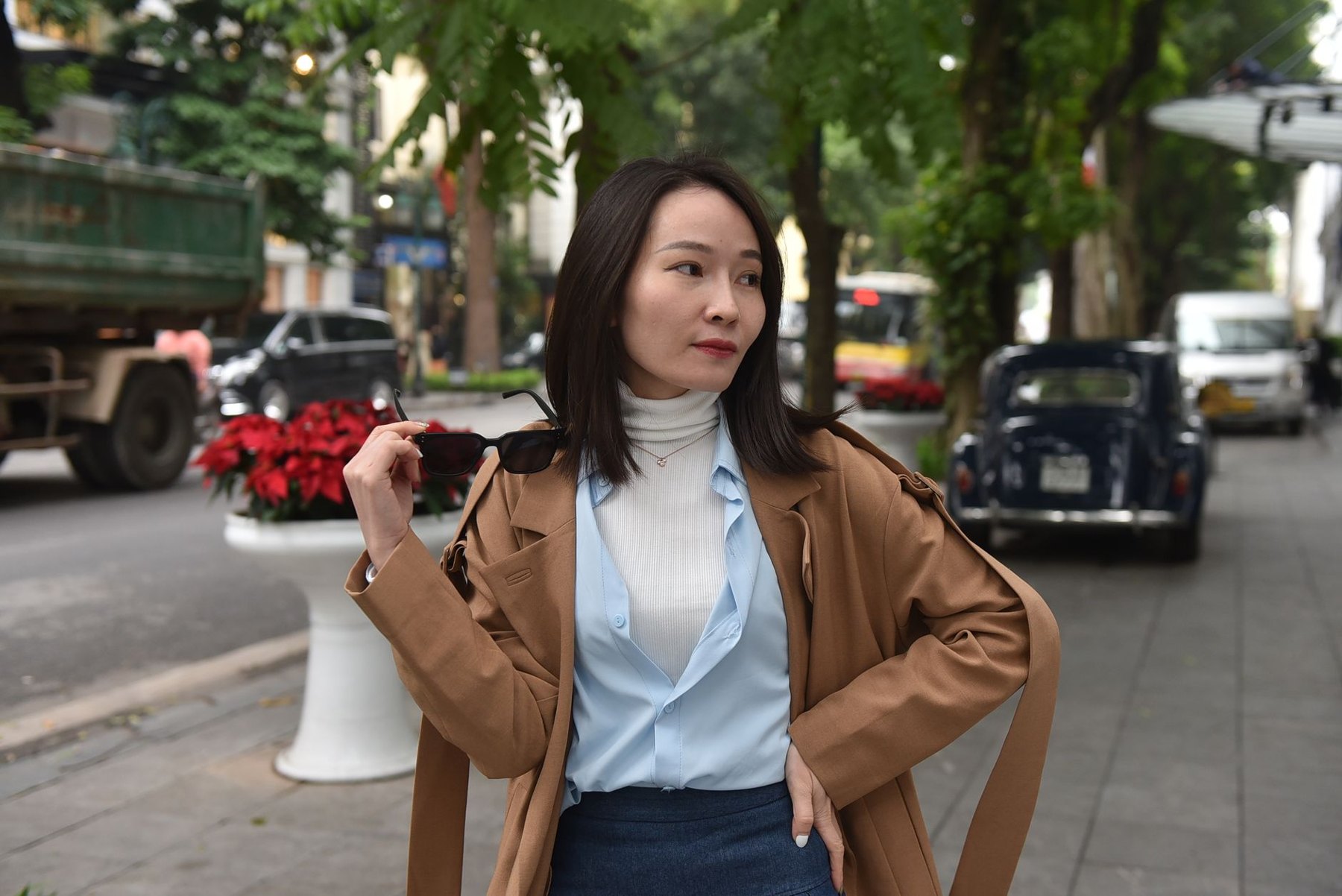
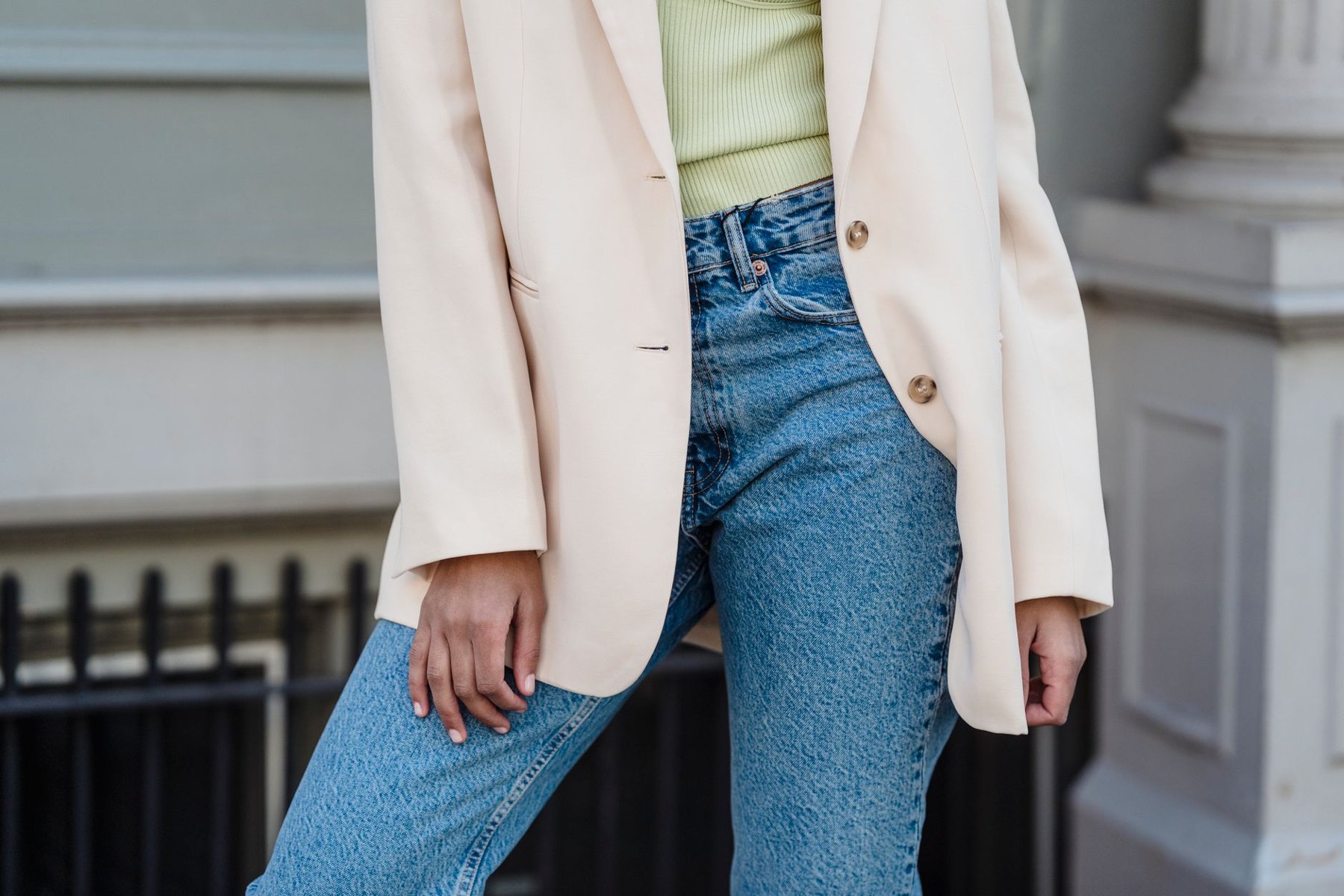
A vintage blouse can look beautiful on a hanger and feel surprisingly difficult to wear on Monday morning. The collar competes with your jacket, the sleeves bunch at the wrist, or the matching skirt makes the whole outfit feel more theatrical than you intended. Start by giving that blouse a simpler setting: straight-leg jeans, understated shoes, and a bag you already use.
Mixing vintage finds with modern basics works best when each piece has a clear job. The vintage item brings texture, pattern, or an unusual shape. The contemporary pieces make the outfit comfortable and useful for your day. You can keep the details you love without building an entire look around a particular decade.
Start with one vintage focal point
Choose the piece you most want to wear, then identify what makes it distinctive. Is it a wide collar, a floral print, a sharply defined shoulder, or a beautiful woven texture? That feature gives you a starting point for the rest of the outfit.
If a blouse has a busy print and gathered sleeves, try plain trousers with a relatively clean outline. If a jacket has pronounced shoulders, begin with a simple knit underneath. A patterned skirt might need little more than a solid T-shirt and shoes suited to your plans.
This is a useful starting method, especially when you are still learning how a new find fits into your wardrobe. Once the outfit feels natural, you can add another vintage element or a more expressive accessory.
- Detailed vintage top: pair with uncomplicated jeans or trousers.
- Patterned vintage skirt: add a plain tee, tank, or fine knit.
- Structured vintage jacket: wear over a close-fitting or gently relaxed base.
- Statement vintage accessory: give it room against quieter clothing.
Use modern basics that fit your actual wardrobe
A basic does not have to be white, black, expensive, or newly purchased. It simply needs to be easy to combine with your other clothes. Your most useful anchor might be dark denim, navy trousers, a gray sweatshirt, a brown knit, or a straightforward cotton dress.
Look first at pieces you already wear repeatedly. Their familiar fit can make an unfamiliar vintage shape easier to judge. You will also learn more from pairing a secondhand jacket with your regular trousers than from buying several new items to create one imagined outfit.
Keep the condition of those basics in mind. A stretched neckline or an uncomfortable waistband can undermine an otherwise thoughtful combination. The goal is a dependable foundation that lets you enjoy the unusual piece without adjusting everything all day.
Three outfit formulas to try
A vintage blouse with straight-leg jeans
Start with the blouse, jeans with minimal detailing, and loafers, simple flats, or clean sneakers. Leave the blouse untucked if the hem sits comfortably around your hips. Try a full or partial tuck if excess fabric hides the waistband or gathers awkwardly under a jacket.
Check the blouse from the side and back as well as the front. A tuck that looks neat in a mirror can pull across the back when you sit. If the fabric is delicate, give it enough room to move rather than forcing a tightly cinched shape.
For a more polished setting, swap the jeans for plain tailored trousers. If the blouse already has a bow, ornate buttons, or a decorative collar, try it without a necklace first. Small earrings may provide all the additional detail you want.
A patterned vintage skirt with a plain top
Choose one color from the skirt and repeat it in your top. A cream detail can connect to an ecru tee; a dark blue background can work with a navy knit. The colors do not need to match exactly, but they should look intentional together in daylight.
Consider how the top meets the waistband. A shorter knit can sit neatly above a gathered skirt, while a lightweight tee may tuck in more comfortably than a thick sweater. If you prefer an untucked top, try a hem that ends where the skirt still has room to move.
Finish according to the day: sneakers for walking, simple flats for a casual lunch, or boots when the weather calls for them. Test the skirt with the shoes you actually intend to wear. A hem that works with one pair may catch or feel awkward with another.
A structured vintage jacket over a simple base
Try the jacket over a plain T-shirt or fine knit with straight trousers or jeans. Keeping the layer underneath relatively smooth lets you see the jacket's shape and helps prevent bunching through the sleeves.
If the jacket has a broad shoulder and a long hem, compare a narrower trouser with a wider pair. The narrower option may feel more defined; the wider option may give you a relaxed, generous silhouette. Neither needs to be corrected simply because it takes up space.
Wear the jacket open and closed before deciding how it works. Check whether you can reach forward comfortably and whether the collar sits where you want it. A strong shape can be appealing, but it should still allow you to carry a bag, sit down, and move through your day.
Adjust proportion before adding accessories
When a combination feels awkward, try changing where the garments meet before replacing everything. Roll a sturdy sleeve once, adjust a tuck, or switch to a top with a different length. Small changes can reveal whether the issue is the overall idea or simply too much fabric gathering in one place.
For a roomy blouse and wide trousers, a visible waistband can add definition if you want it. You can also leave both pieces loose for a softer outline. The useful question is whether the volume feels deliberate and comfortable to you.
A longer jacket over a full skirt creates a different shape from a short jacket over the same skirt. Take a quick photo of each version if the mirror makes comparison difficult. Use it to assess the clothing's balance, rather than to search for faults in your body.
Make color and texture do some of the work
Color is an easy way to connect clothing from different periods. Repeat one shade from a vintage print in a contemporary basic, or place the print against a quiet neutral. Brown trousers, for example, can give a warm-toned patterned blouse a calmer setting without requiring matching accessories.
If a print contains several strong colors, begin with one repeated color and keep the remaining pieces simple. Add another color only if you like the result. There is no need to represent every shade in the print somewhere else in the outfit.
Texture offers another connection. A smooth tee can sit comfortably beside a textured jacket, while denim can give a decorative blouse a more casual context. When combining several textured pieces, check that they move easily against one another and do not catch, cling, or create uncomfortable bulk.
Choose accessories after the clothes
Put on the main outfit before deciding on jewelry, belts, and bags. This makes it easier to see which details are useful. A belt may help secure a tuck or connect two colors; a necklace may compete with a collar you wanted to highlight.
A contemporary bag can be a practical companion to a vintage outfit, particularly when you need space for everyday belongings. Equally, a vintage bag can become the focal point of a plain knit-and-trouser combination. Let capacity, strap comfort, and fastening condition count alongside appearance.
Shoes also change the mood. Loafers can support a tailored combination, sneakers can make it feel more casual, and a simple boot can work with seasonal layers. You do not need to choose footwear associated with the garment's original period unless that is part of the look you enjoy.
Check secondhand condition before buying
A compelling print can distract from a fragile seam or a lining that needs substantial work. Give yourself a separate inspection stage before deciding whether a piece belongs in your wardrobe. Ask before turning garments inside out, and handle delicate fabrics gently.
- Inspect underarms, collars, and cuffs. Look for discoloration, thinning, holes, and worn edges.
- Look along seams. Check for loose stitching, open sections, and fabric pulling away from the seam.
- Examine the fabric in good light. Notice snags, small holes, uneven fading, and areas that appear unusually thin.
- Check closures gently. Test zippers, buttons, hooks, and snaps without forcing them.
- Look inside. Examine linings, pockets, waistbands, and any visible previous repairs.
- Check decorative details. Notice loose beads, missing trim, or attachments that may snag other clothing.
- Read any care label. Consider whether you can realistically manage the garment's care needs.
A missing button and weakened fabric present different decisions. A replacement button may be straightforward if an acceptable match is available; damaged fabric may need a more involved assessment. Avoid assuming that cleaning will remove a stain or odor. If the purchase only makes sense after an uncertain restoration, leave room to walk away.
Assess fit through movement
Treat the marked size as a starting reference. Check the actual garment against your body and against similar clothes that fit comfortably. For online purchases, compare the seller's measurements with a garment laid flat in the same way, and ask how any unclear measurements were taken.
During a fitting, sit down, reach forward, and bend your elbows. With skirts and trousers, check the waistband while seated and notice whether pockets pull open or closures feel strained. With blouses and jackets, look for pulling across the upper back, chest, and upper arms.
Try structured pieces with the kind of layer you expect to wear underneath. A jacket that feels comfortable over a thin tank may fit differently over your work shirt. Shoes matter for judging trouser and skirt length, too, so consider the complete outfit.
Decide which alterations are worth taking on
Before buying something that needs work, identify the exact change you want. “Shorten the hem” is a useful request. “Make this fit better” leaves several questions unresolved. Fit problems can involve construction, fabric condition, and several connected areas of the garment.
A hem adjustment or button replacement may be manageable, depending on the piece. Changes to shoulders, armholes, linings, or patterned areas can require more involved work. Shortening a skirt with a border print may also remove the detail that attracted you to it.
If an alteration is essential, seek a tailor's assessment before committing where possible. Check whether the proposed change preserves enough room to move and keeps the features you value. Include cleaning and repairs in your overall spending decision, and consider how soon you will actually arrange the work.
Give each find a place in your week
Before taking a piece home, name two or three combinations you can make with clothes you own. A floral blouse might work with your regular jeans, work trousers, and a plain skirt. A jacket might fit both your weekday commute and a weekend lunch. Specific combinations are more useful than a vague promise to style it later.
Once you have it, build one complete outfit and wear it on an ordinary day. Notice practical details: whether the sleeves fit under your coat, whether the waistband stays comfortable, and whether your bag strap catches the fabric. Those observations can guide the next adjustment.
The vintage find does not have to remain the most dramatic thing in every outfit. With a familiar pair of trousers, comfortable shoes, and a little attention to fit, it can become something you reach for as easily as the rest of your wardrobe.