A white top and black trousers can feel perfectly complete, yet sometimes the combination looks flatter than you intended. Before adding a necklace, a belt, or another layer, look at the surfaces. If both pieces are equally smooth, similarly fitted, and close in weight, there may be little visual contrast between them.
Keep the same colors and change one fabric: a ribbed white knit with crisp black cotton trousers, or a cotton shirt with softly textured linen pants. The outfit stays simple, but its parts become easier to distinguish. Texture gives the eye something to notice without asking you to wear more.
Start with cotton, linen, ribbed knitwear, denim, and smooth leather already in your wardrobe. The aim is to make a few familiar pieces work more clearly together.
Build around contrasting surfaces
Fiber names are a starting point, but the actual surface matters more. Cotton can be crisp poplin, soft jersey, or substantial denim. Linen can have a fine, relatively even finish or a more visible irregular weave. Knitwear can be compact and smooth or deeply ribbed.
Lay two garments beside each other and ask three questions: does one look smoother, does one hold its shape more firmly, and does one reflect more light? A noticeable difference in just one of those qualities may be enough.
- Crisp with soft: a cotton poplin shirt and a ribbed knit skirt.
- Dry-looking with polished: linen trousers and smooth leather loafers.
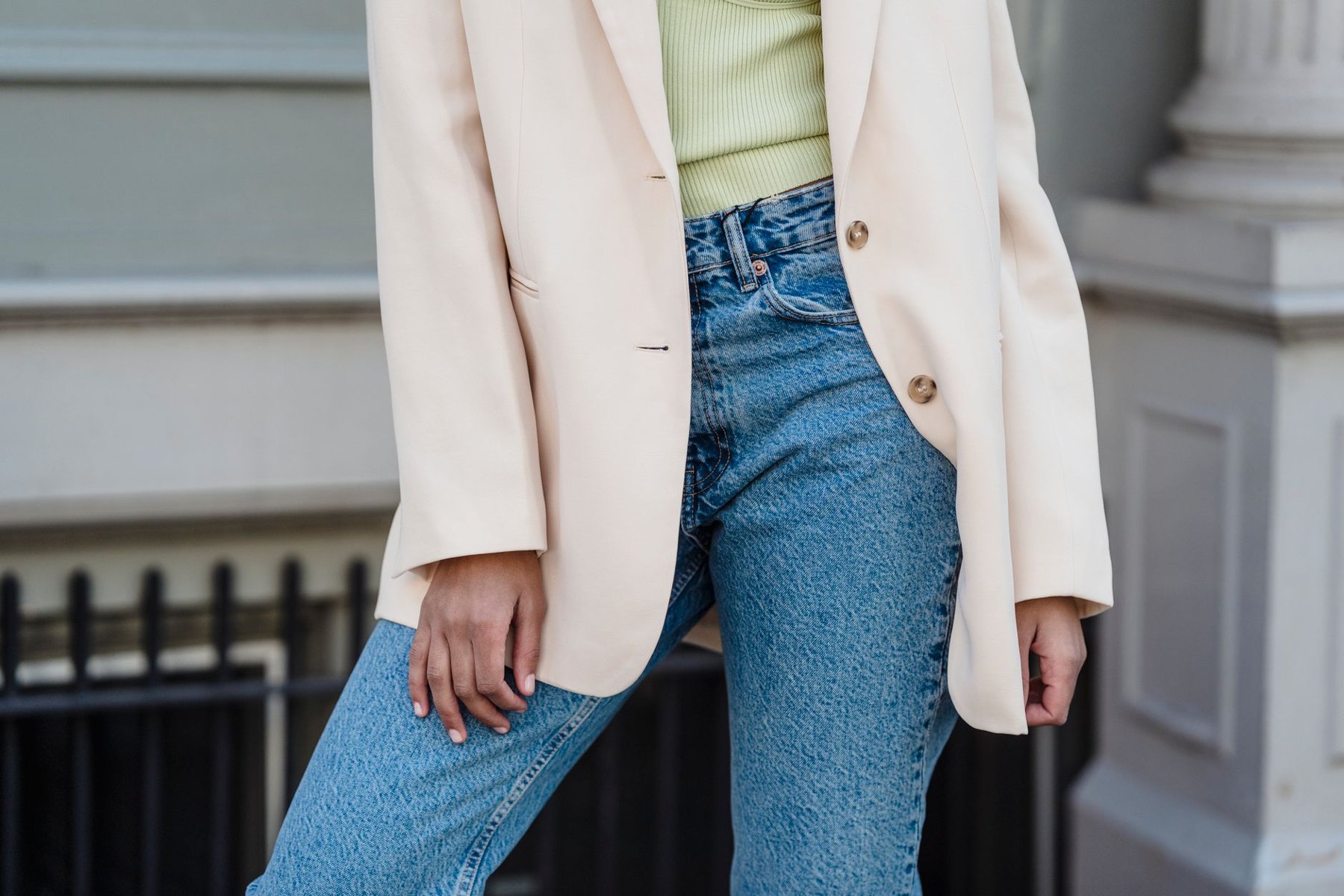
- Structured with flexible: straight-leg denim and a supple knitted top.
- Fine with pronounced: a lightweight cotton tee and a cardigan with clearly defined ribs.
You do not need every contrast in one outfit. Choose one clear pairing, then let the remaining pieces support it.
Keep the palette small, but allow some variation
A restrained palette makes surface differences easier to notice. Try two main colors, with shoes or a bag repeating one of them. Cream and dark brown, white and indigo, or gray and black all give you room to experiment without also solving a complicated color combination.
Matching shades exactly is optional. An ivory cotton shirt can sit comfortably beside oatmeal linen trousers because the difference looks deliberate. If two nearly identical shades seem awkward together, introduce clearer separation: a darker shoe, a visible waistband, or a top that is distinctly lighter than the bottoms.
For an easy first attempt, choose one color family and vary both shade and surface. Pair a pale gray ribbed top with charcoal denim and black leather shoes. The gradual color change connects the pieces, while their different finishes keep them distinct.
Give each fabric a useful role
Cotton: the quiet foundation
A plain cotton tee gives stronger textures space around them. Wear one with visibly woven linen trousers or a ribbed cardigan when you want those pieces to stand out. Check the tee itself, though: a thin, fluid jersey creates a different result from a dense shirt with a firm neckline.
A cotton poplin shirt is more assertive. Its collar, cuffs, and folds create defined edges that work well against softer knitwear. Leave the cuffs visible under a cardigan, or wear the shirt open over a simple tank. Choose the version that suits the weather and lets you move comfortably.
Linen: visible irregularity and relaxed folds
Linen can bring a less uniform surface to an otherwise precise outfit. Try linen pants with a compact ribbed tank and smooth leather sandals. The pants provide movement and visible texture; the smaller, cleaner shapes around them keep the combination composed.
Consider how you feel about creasing before choosing linen for a particular day. If pronounced folds will bother you, use linen in a smaller part of the outfit, such as an open shirt, or choose another fabric with a surface you enjoy. Texture should make getting dressed more satisfying, not create an appearance you spend the day trying to correct.
Ribbed knitwear: pattern without another color
Ribbing adds repeated lines while staying within a single shade. A ribbed crewneck, tank, or cardigan can make plain trousers feel more considered without introducing a print.
Scale changes the effect. Fine ribs can act almost like a plain surface from a distance, while wider ribs become a stronger feature. Look at how the garment sits when worn: ribs may spread or distort where the fabric stretches. Choose the fit for its comfort and the shape you want, rather than relying on a rule about which direction lines should run.
Denim: a grounded, casual element
Denim gives delicate or polished pieces something substantial to sit against. A fine ribbed top with straight jeans is a useful starting point; add smooth leather shoes to introduce a third finish without another layer.
The wash and condition matter as much as the fabric name. Evenly colored dark denim creates a quieter backdrop than jeans with strong fading or distressed areas. Either can work, but pronounced fading already contributes visual detail. Keep the other surfaces simpler if you want that detail to remain the focus.
Smooth leather: a compact finishing contrast
A smooth leather shoe or bag can provide the polished surface missing from an outfit of cotton, linen, and knitwear. It does not need to be especially shiny. A clean, even finish may be enough beside a rougher weave.
Use an item you already need to carry or wear. If leather is not your preference, look for the same visual role in another material: a shoe or bag with a smooth, restrained finish. The contrast comes from its appearance, not from meeting a particular material checklist.
Build the outfit in five steps
- Choose the practical base. Start with trousers, jeans, or a skirt suited to your plans. Consider sitting, walking, temperature, and any dress expectations.
- Add a contrasting top. Put soft ribbing against crisp trousers, a smooth tee against textured linen, or a defined cotton shirt against a knitted skirt.
- Check the outline. If both pieces are loose, try a partial tuck or a shorter top. If both are close-fitting, see whether a straight outer layer gives you the shape you prefer.
- Use footwear to finish the surface mix. Smooth shoes can sharpen a relaxed combination. A matte canvas shoe can make a crisp shirt feel more casual.
- Remove anything that has no clear job. Keep the accessory that is useful or changes the outfit in a way you like. There is no need to fill every open space.
Step back far enough to see the whole outfit. Texture needs to work at ordinary viewing distance, not only when you examine the weave close up. If everything still blends together, change the largest similar surface first.
Five combinations to try with familiar clothes
White cotton, oatmeal linen, brown leather
Pair a white cotton tee with oatmeal linen trousers and brown leather sandals or loafers. Let the trousers supply the most visible texture. A tee with a defined neckline can add a little structure around the face without requiring jewelry.
If the combination feels too loose, try tucking the tee and letting the waistband establish a clear break. If it feels too neat for your day, leave the tee untucked and check that its hem works with the rise of the trousers.
Black ribbing, dark denim, smooth black shoes
Wear a black ribbed top with dark blue jeans and black leather flats, loafers, or boots. This is an easy way to explore texture when you prefer darker colors. The ribs provide close-up detail, while the denim keeps the outfit grounded.
Choose jeans with less fading for a quieter result. For a more relaxed version, keep the faded jeans and use a simple top with minimal extra detail.
Blue poplin, cream knitwear, charcoal trousers
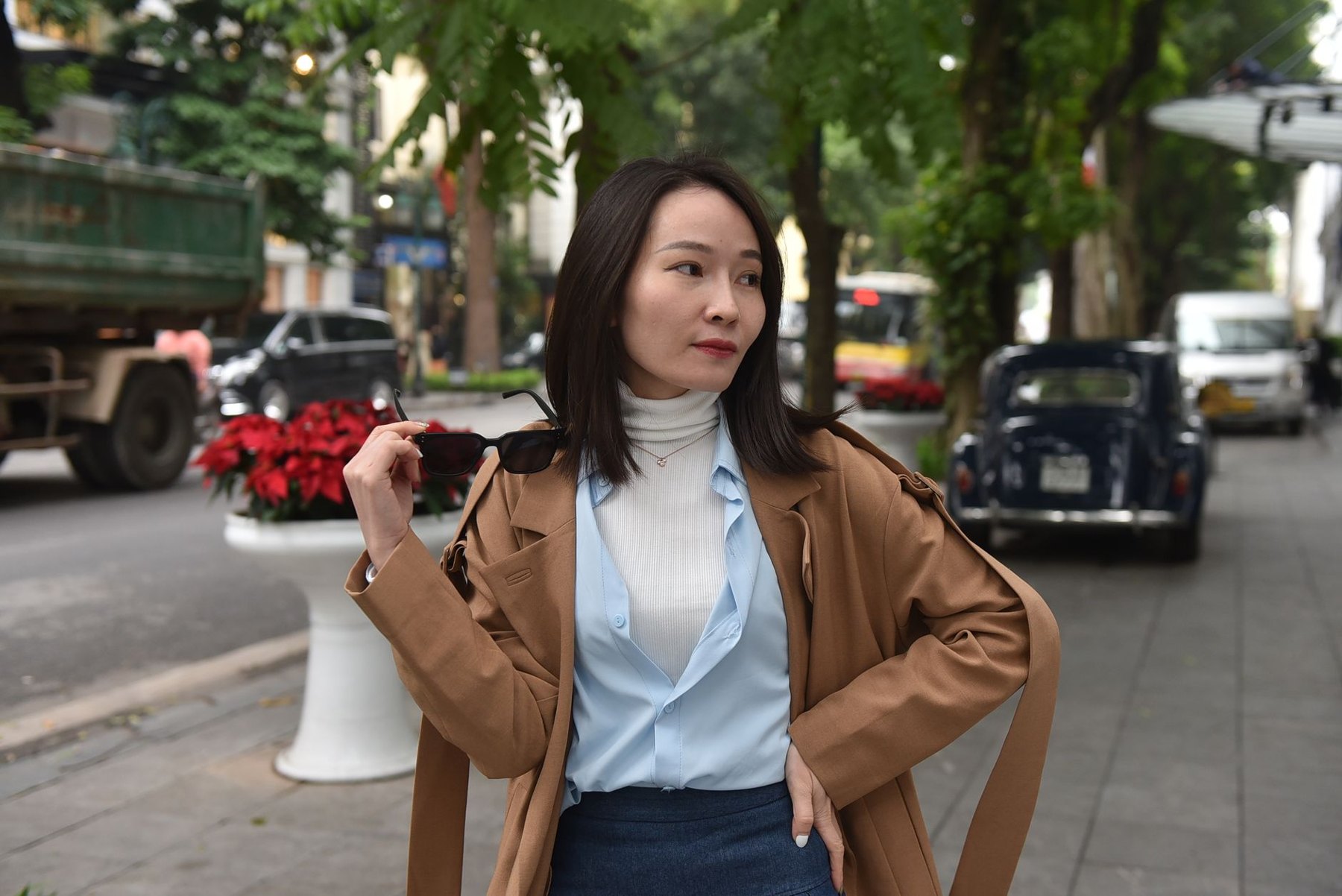
Layer a cream ribbed cardigan over a pale blue cotton shirt, then add charcoal trousers with a relatively smooth finish. Show a little collar and cuff so the crisp fabric remains visible against the knit.
This combination already has several points of interest. Try it with plain shoes before adding anything else. If the shirt bunches beneath the cardigan, change the fit or wear the cardigan open; an appealing surface mix will not compensate for uncomfortable layers.
Ecru denim, a tonal ribbed top, tan leather
Combine ecru jeans with a cream or beige ribbed top and tan shoes. The related shades create continuity, while the denim and knit establish different surfaces. A smooth bag can repeat the finish of the shoes if you need one.
Check the outfit in daylight to see how the pale shades relate. If one piece seems disconnected, try a clearer shade difference rather than searching for an exact match.
Linen shirt, cotton tank, black trousers
Wear an open linen shirt over a cotton tank with simple black trousers. The open shirt creates visible edges and movement; the tank gives the eye a quiet center. Keep the trousers relatively plain so the layered upper half remains easy to read.
For warmer conditions, choose layers that feel comfortable together and leave room for movement. For a cooler setting, replace the tank with a cotton long-sleeve top rather than automatically adding another outer layer.
Adjust the mix for weather and setting
In warm weather, surface contrast can come from just two garments and shoes. A linen skirt, compact cotton tank, and smooth sandals are enough to establish different finishes. There is no need to add a cardigan purely for visual interest.
In cooler weather, use texture where layers meet: a poplin cuff beneath knitwear, a ribbed neckline under a smooth jacket, or dark denim below a soft sweater. Make sure the inner layer fits comfortably beneath the outer one. Tight armholes and crowded sleeves quickly make an otherwise appealing combination impractical.
For work, start with the level of formality your setting requires, then adjust texture within it. Crisp cotton, fine ribbing, and smooth shoes can make a useful combination where those pieces are appropriate. For a casual day, swap one precise element for relaxed denim or a softer tee. You can change the mood without rebuilding the whole outfit.
Troubleshoot the outfit before adding more
- Everything looks flat: replace one large smooth area with visible ribbing, a more apparent weave, or structured denim.
- Everything looks busy: keep your favorite texture and simplify one neighboring piece. A plain cotton tee is useful here.
- The outfit feels heavy: reduce the bulk of one garment, especially where layers overlap. Deep texture does not need to appear everywhere.
- The proportions feel unclear: adjust a hem, cuff, or tuck before changing the palette. A visible edge can separate similar shades.
- The result feels too polished: introduce a softer cotton piece or more relaxed denim.
- The result feels too casual: try a crisp shirt or smoother footwear, if those suit the occasion.
Make a small texture reference from your wardrobe
Choose one cotton piece, one linen piece, one ribbed knit, one pair of jeans, and a smooth shoe or bag you already own. You do not need to wear them all together. Arrange them in pairs and notice which combinations offer a contrast you like.
Build two or three complete outfits from the strongest pairings, then photograph them for your own reference. Include the shoes: their finish can change how the rest of the clothes read. Note any practical issue, such as a shirt that bunches or a knit that feels too warm, while it is fresh in your mind.
Next time a simple outfit needs something, use those combinations as a starting point. Swap the tee for ribbing, the soft shirt for poplin, or the canvas shoes for a smoother pair. One useful change can give familiar clothes the definition you were looking for.