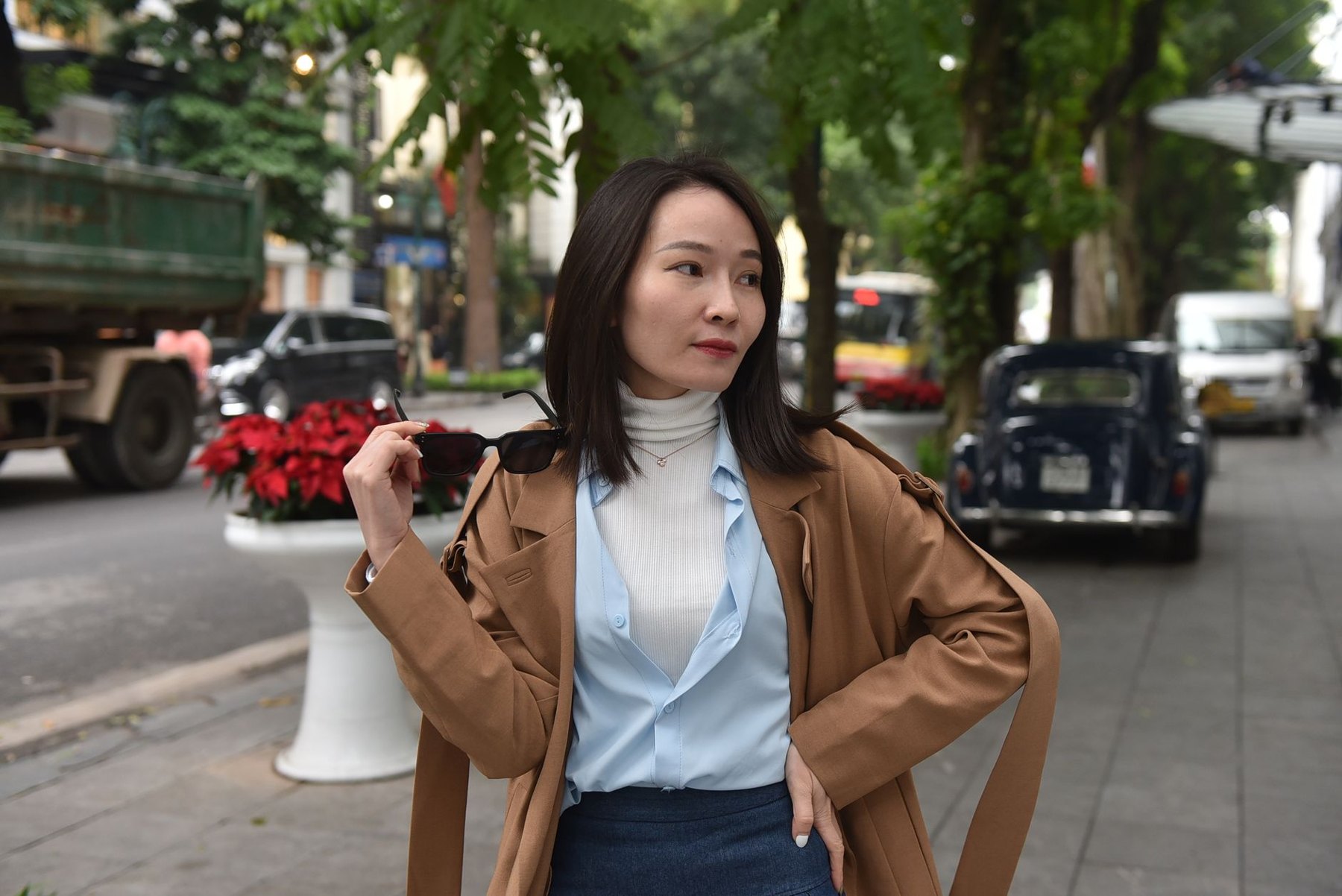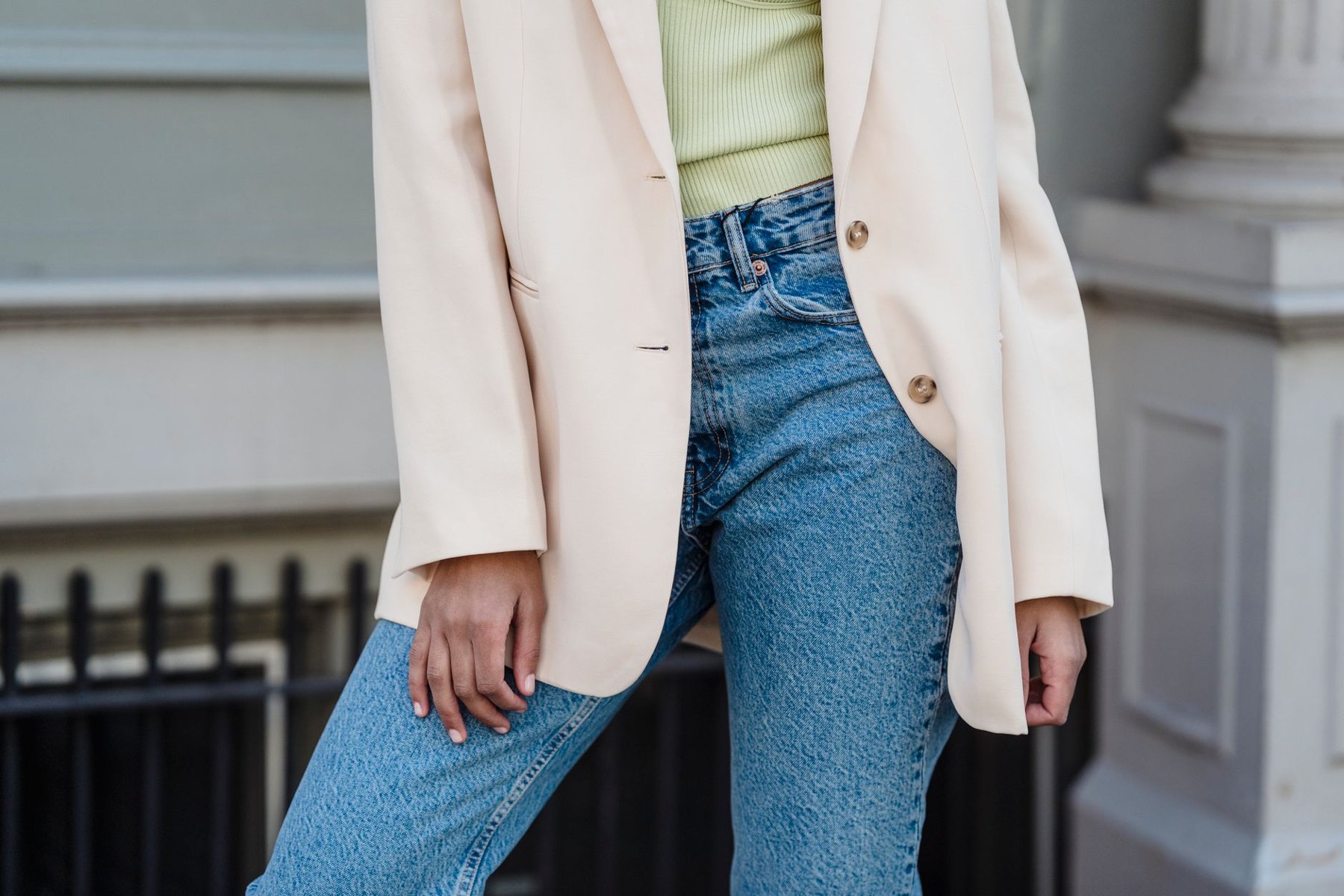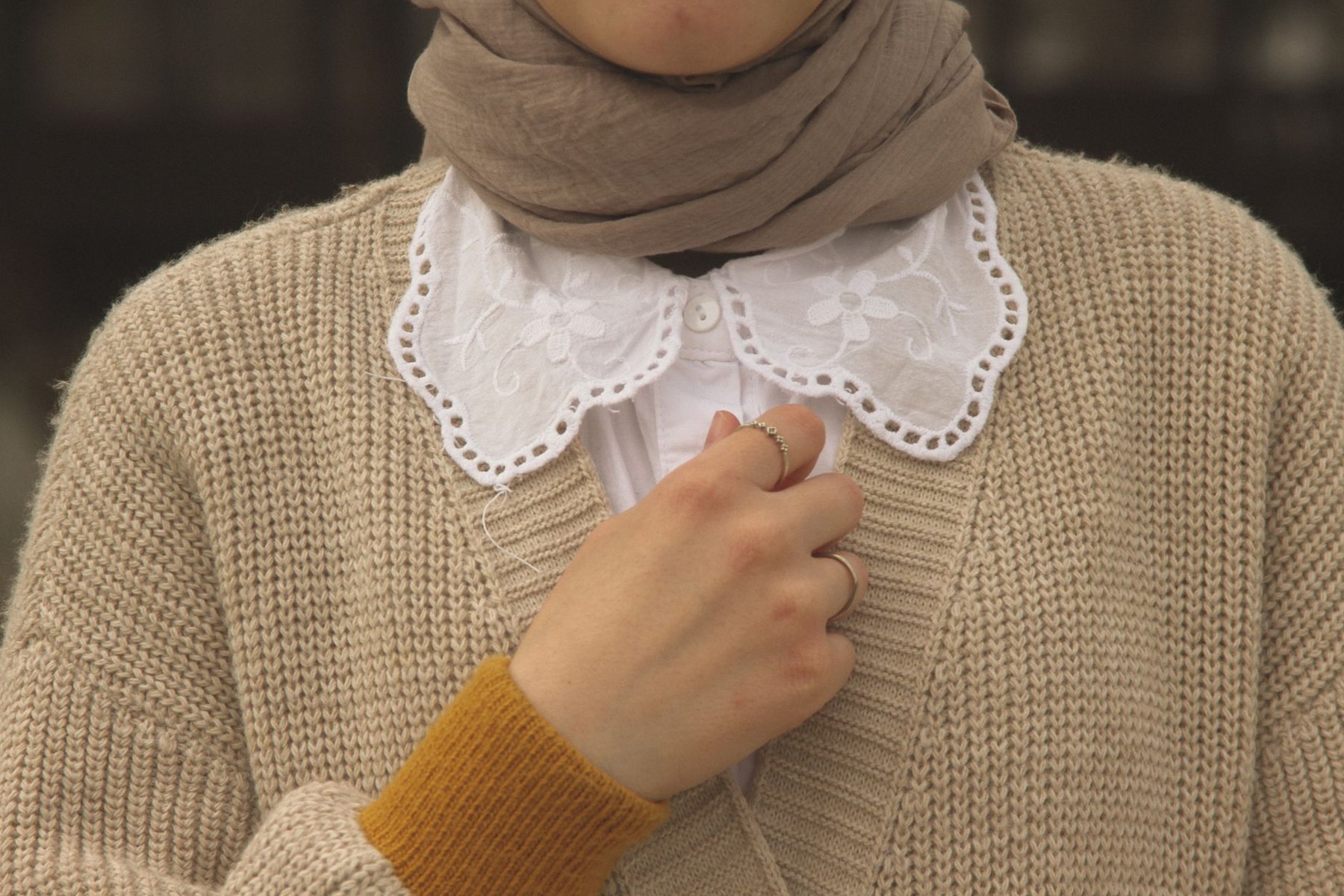
If your shirt bunches beneath a sweater or your coat pulls across the shoulders, adding a thinner base layer may help—but thickness is only part of the problem. The shapes of the sleeves, the space around the armholes, and the way the hems meet all affect how comfortably an outfit fits together.
Start with the layer that feels most restrictive. Put it on over the clothes you intend to wear, reach forward, and sit down. Notice where you feel resistance. Then adjust that area instead of rebuilding the entire outfit. A different shirt sleeve or a shorter cardigan can sometimes solve more than removing a whole layer.
Build layers in an order that leaves room to move
A useful starting sequence is a smooth base, a flexible middle layer, and an outer layer with enough room to accommodate both. This does not mean every piece must be fitted. It means each garment should sit over the one beneath it without needing constant adjustment.
Begin with fabric thickness and surface
Lay your intended pieces next to one another. Compare their weight, stiffness, and texture. A fine cotton shirt beneath a medium-weight cardigan is a straightforward pairing. A stiff overshirt beneath a close-fitting sweater asks two structured garments to share limited space.
Fabric texture matters too. A brushed shirt and a fuzzy knit may catch against each other as you dress. If the inner layer keeps riding up, try a smoother shirt or a roomier knit before assuming you need a larger size in everything.
- Closest to the body: choose a comfortable layer with minimal folds, especially at the shoulders, waist, and underarms.
- In the middle: allow room for the base layer, including its cuffs, collar, and seams.
- On the outside: check the fit over the complete outfit, with fastenings closed as well as open.
Thin-to-thick is a helpful default, not a strict rule. A fine cardigan can sit over a substantial cotton T-shirt if its cut allows it. Judge the combination by how it hangs and moves rather than by fabric weight alone.
Match sleeve shapes before adjusting hems
A wide sleeve needs somewhere to go. If you push a balloon sleeve into a narrow cardigan sleeve, the extra fabric will collect around the upper arm or elbow. Pulling the cuff down may temporarily redistribute it, but it does not create more space.
Pair relatively straight shirt sleeves with straight or relaxed knitwear sleeves. Give puff sleeves, dropped shoulders, and deep armholes more generous outer layers. If you want a close-fitting coat, use a less voluminous middle layer or try a sleeveless knit.
Check the outfit at four pressure points
Before concentrating on the mirror, test how the layers feel. A combination that looks tidy while you stand still may become uncomfortable at a desk or on public transport.
- Shoulders: reach forward as though holding a steering wheel. Check whether the outer garment pulls across your back.
- Underarms: raise and lower your arms. Notice whether several seams or folds press into the same area.
- Elbows: bend your arms fully. Cuffs and sleeves should not form a tight bundle.
- Waist and hips: sit down with your usual fastenings closed. Check for pressure from tucked fabric, waistbands, and overlapping hems.
Change one piece at a time. If your shoulders feel restricted, untucking the shirt is unlikely to solve it. If the discomfort is around your waist, a roomier coat may leave the underlying problem untouched.
Make shirts and knitwear work together
Choose a shirt that fits inside the knit
For a shirt beneath a crew-neck sweater, begin with a shirt that follows your body without pulling across the chest. An oversized shirt can work, but it needs a sweater with enough width and sleeve space to hold its volume.
Put on the shirt first and straighten the sleeves. Add the sweater, then gently bring the shirt cuffs into place. Smooth any folds at the back before deciding whether to tuck the hem. This makes it easier to distinguish an awkward combination from fabric that simply shifted while you dressed.
For example, pair a fine blue shirt with a relaxed charcoal sweater and straight-leg trousers. Let a small amount of collar and cuff show. If the shirt tail creates a bulky band beneath the sweater, tuck it loosely or choose a shorter shirt.
Control the waist without over-tucking
Tucking both a long shirt and a thick sweater into a fitted waistband can create pressure and a ridge of fabric. Try tucking only the shirt and leaving the sweater outside. Alternatively, wear both untucked if the hems fall comfortably and suit the proportions you want.
A partial tuck can give some definition, but it is optional. If it repeatedly comes loose or makes the waistband uncomfortable when you sit, leave the knit untucked. A shorter sweater may provide the shape you wanted with less adjustment.
Use a cardigan when a pullover feels crowded
An open cardigan gives you more flexibility through the front of the outfit. You can leave it open, fasten a few buttons, or remove it without disturbing the shirt beneath. Choose one with sleeves that comfortably accommodate your shirt rather than relying on the open front to compensate for tight arms.
With a crisp white shirt and dark jeans, a straight cardigan creates an easy everyday combination. If the shirt has a long curved tail, decide whether you want that hem visible. Tuck it for a cleaner boundary, or let it show deliberately beneath a shorter cardigan.
Layer dresses and cardigans without bunching
With dresses, begin by checking the sleeves and waist seam. A fitted, sleeveless dress gives a cardigan a relatively smooth surface to sit over. A dress with gathered shoulders, full sleeves, or a substantial waist tie needs more space.
Place the cardigan hem deliberately
A cardigan ending near a dress's waist can make the waistline more visible. A longer cardigan can create a continuous outer layer. Neither length is automatically better; the useful question is whether the hem rests easily or catches on gathers, pockets, or a fuller skirt.
Try a short cardigan over a sleeveless midi dress. If the cardigan rides upward when buttoned, wear it open or choose a roomier shape. For a straighter dress, try a longer cardigan that falls freely over the hips. Walk and sit to check that the two pieces do not keep catching against each other.
Avoid forcing a cardigan hem to stay at an exact point through constant pulling. If it naturally settles somewhere else, work with that position or try another length.
Give dress sleeves enough space
A dress with puffed sleeves may look appealing beneath a cardigan while your arms are down, then feel cramped as soon as you move. Try an outer layer with generous upper sleeves, or use a sleeveless knit vest when you want an additional layer through the torso.
For a long-sleeved jersey dress, a relaxed cardigan may be enough on its own. Adding a shirt underneath as well introduces more seams and cuffs. Keep the extra shirt only if it contributes useful warmth or a detail you want to see.
Be selective with belts
A belt over a dress and cardigan can define the waist, but it also gathers both fabrics into one place. Start with a light cardigan and loosen the belt enough to sit comfortably. If fabric bunches above it, try belting only the dress and leaving the cardigan open.
Fit jackets beneath coats with care
A jacket-and-coat combination needs room through the shoulders, upper arms, chest, and back. A coat that fits well over a T-shirt may feel very different over a blazer. Assess it with the jacket you actually plan to wear.
Account for structure as well as thickness
Shoulder padding, firm lapels, and stiff sleeves occupy space even when the jacket fabric is relatively light. A softer jacket may be easier to layer, but it still needs a coat with compatible armholes and sleeves.
For work, try a light shirt, a softly structured blazer, and a coat that closes comfortably over both. Reach forward and check whether the blazer collar shifts or its sleeves pull upward. If the combination feels crowded, removing a knit layer may help; if the jacket itself is compressed, try a different coat.
Check where the jacket hem finishes
A coat that covers the jacket hem offers a straightforward starting point. A jacket showing beneath a shorter coat can also be intentional, but inspect the back and sides as well as the front. An uneven strip of jacket may create a hem arrangement you did not expect.
If you prefer a short outer jacket, consider a shorter middle layer. A cropped jacket over a fine cardigan is easier to arrange than the same jacket over a long, structured blazer. The aim is to choose visible lengths deliberately rather than hide them through repeated adjustments.
Try the outerwear fully fastened
Wearing a coat open can make the outfit feel more relaxed, but check it closed if you expect to fasten it outdoors. You should be able to breathe, sit, and reach comfortably. If the lapels distort or the front pulls, reduce the layers underneath or choose a coat with more room.
Reduce bulk where several details overlap
Bulk often gathers in small areas. You may have enough space through the body while still feeling crowded at the neck or wrists.
- At the neck: try a fine crew neck beneath a collared shirt, or pair a roll neck with an open jacket. Add a scarf after checking how the existing collars sit.
- At the wrists: keep inner cuffs flat. Avoid rolling several sleeves into one thick band beneath a close-fitting coat.
- At the waist: limit how many substantial hems you tuck into one waistband. Check the result while seated.
- At the hips: empty bulky pockets and smooth shirt tails before changing the whole outfit.
Accessories also affect comfort. Put on your bag when testing a layered outfit. A shoulder strap may press on a thick seam or pull an already snug coat across the chest.
Use proportion and color to simplify the look
Physical comfort comes first, but an outfit can also feel visually busy when several hems, collars, and strong colors compete. Choose one or two details to emphasize: a shirt collar and cuffs, a longer cardigan, or a jacket lapel beneath an open coat.
For an easy starting point, keep two adjacent layers in related colors. A cream shirt under an oatmeal knit creates a quieter transition than several sharply contrasting bands. You can still add contrast with trousers, shoes, or a bag.
If you enjoy visible layers, give each one enough space to read clearly. A shirt hem extending beyond a sweater can look deliberate; a tiny corner appearing on one side may simply need straightening. Check the back once, then move around to see where everything settles.
Three combinations to adapt from your wardrobe
- Everyday shirt and knit: a fine cotton shirt, relaxed crew-neck sweater, straight trousers, and a coat with comfortable sleeve room. Tuck the shirt if its hem bunches beneath the sweater.
- Dress and cardigan: a sleeveless or narrow-sleeved dress with a cardigan that rests easily at the waist or falls freely below it. Check that the cardigan does not catch on the skirt.
- Jacket and coat: a smooth base, softly structured jacket, and roomy coat. Test the shoulders with the coat fastened and your arms reaching forward.
Once a combination feels comfortable, note which shapes made it work: straight shirt sleeves, a shorter knit, or a coat with more upper-arm space. Those details give you a useful starting point the next time you get dressed, without requiring every layered outfit to follow the same formula.