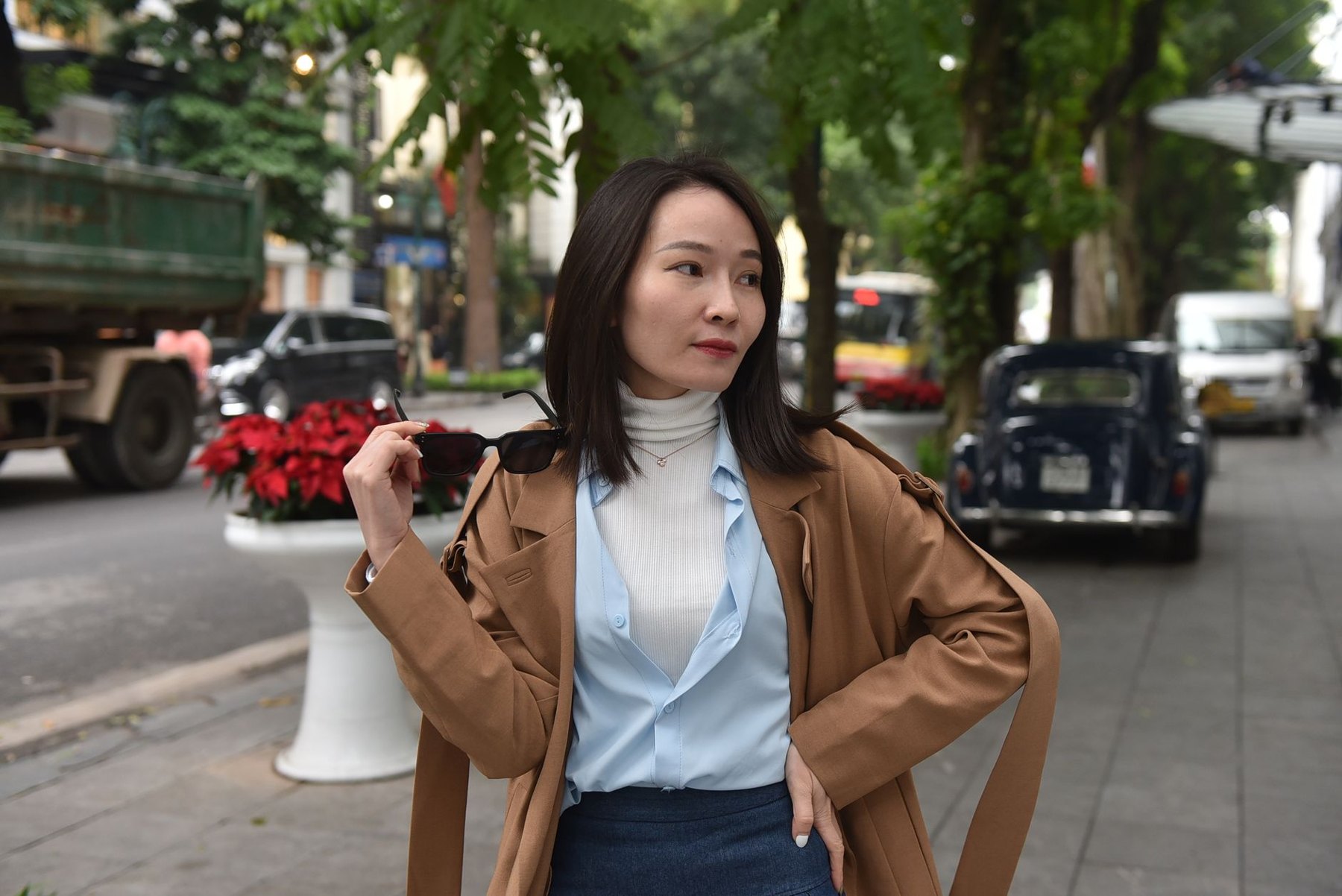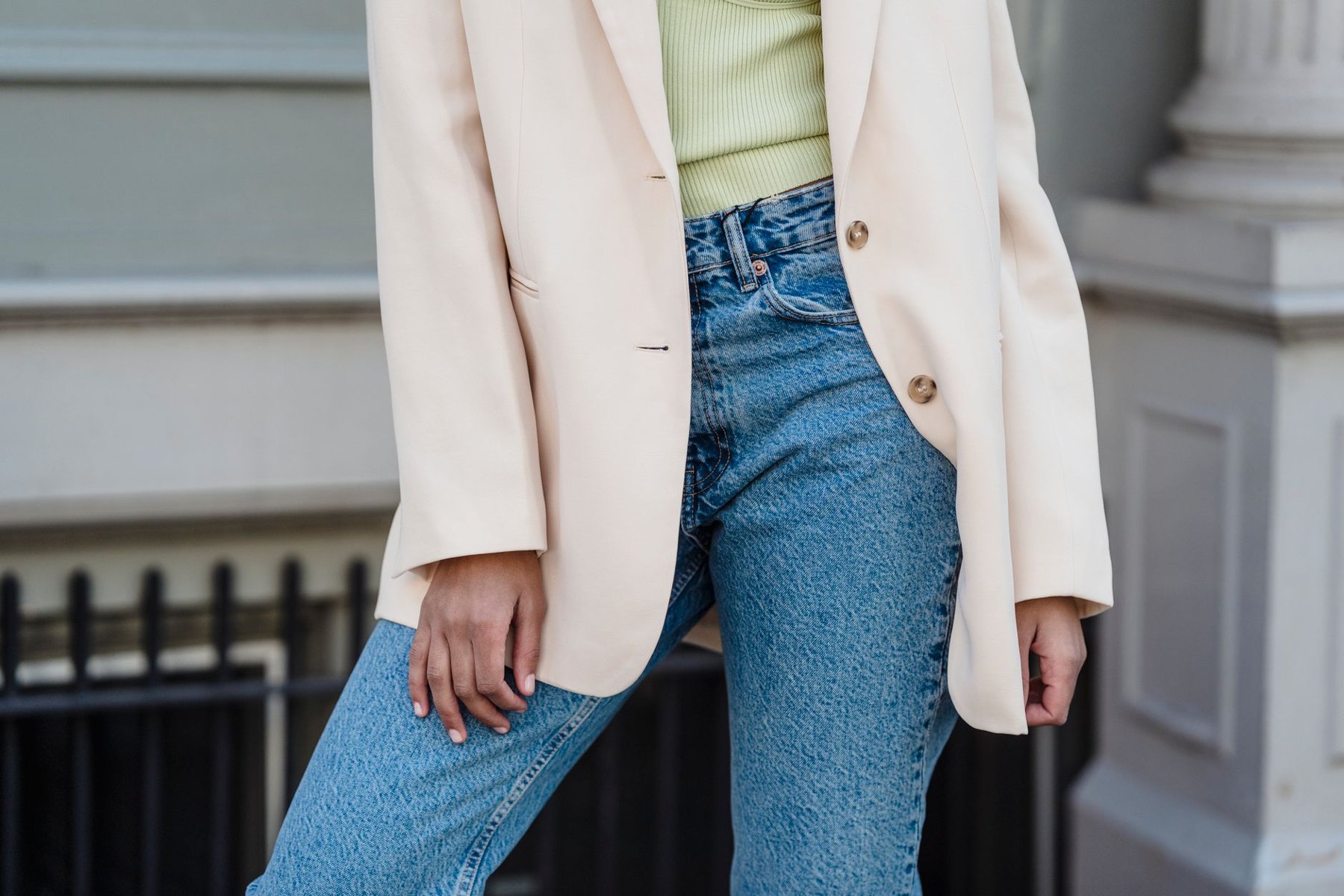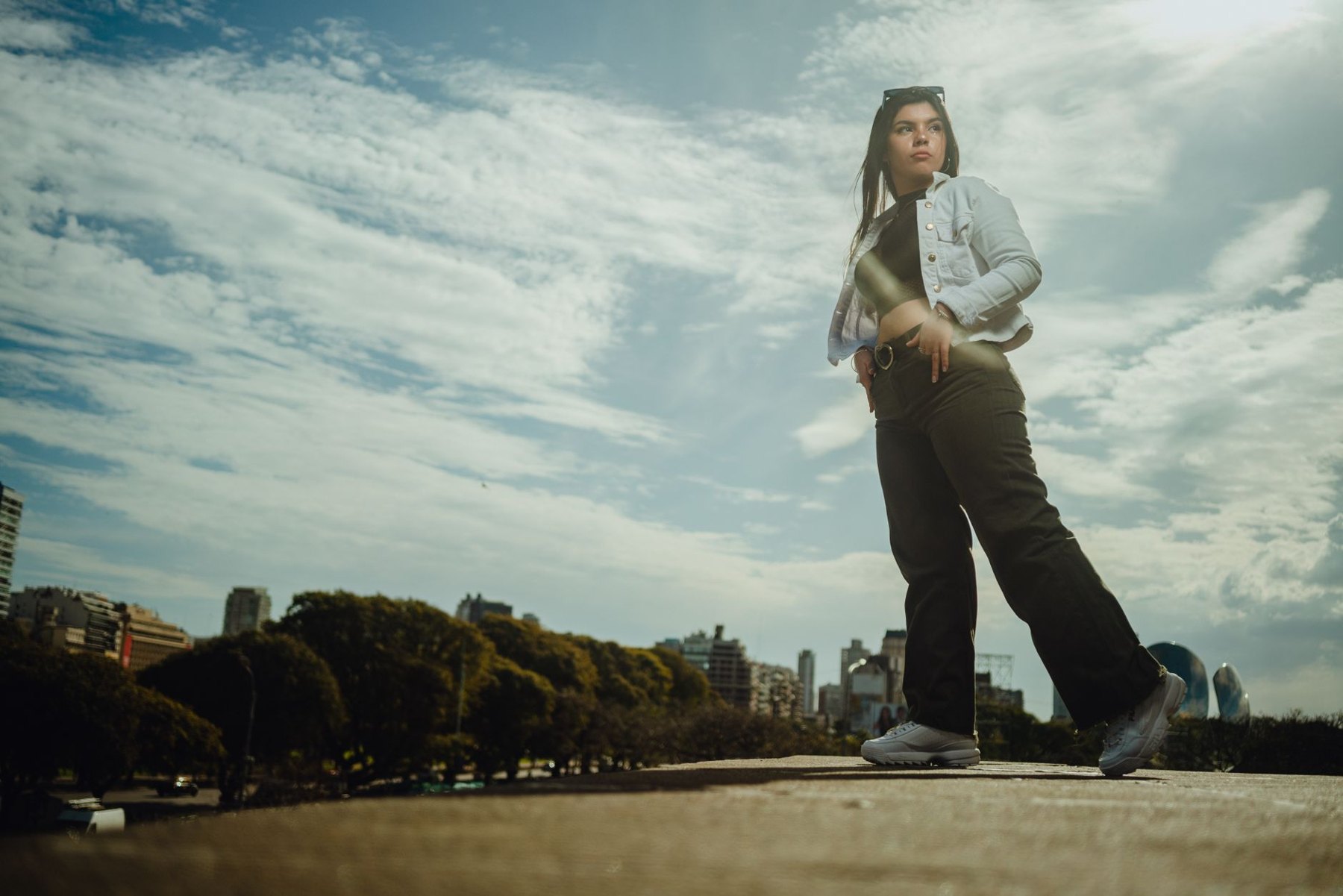
Wide trousers, a loose cotton shirt, and a workwear jacket can look comfortably intentional—or simply feel like too much fabric. The difference often comes down to three decisions: where the clothes end, how the fabric falls, and which part of the outfit provides structure. Before adding accessories or buying another layer, check those details.
Start with trousers that sit securely at your preferred waist position. Add a shirt with enough room to move without pulling across the chest or shoulders. Then try a jacket whose hem is clearly shorter or longer than the shirt beneath it. These small choices make generous shapes easier to read.
This approach takes inspiration from one relaxed, practical corner of Japanese fashion. Japanese fashion includes many different aesthetics, from restrained everyday dressing to expressive street styles; roomy workwear separates cannot represent all of it. Treat the ideas here as a way to explore proportion and utility while developing your own style.
Choose one piece to establish the silhouette
Begin with the item you most want to wear, then build around its shape. If you choose very wide trousers, keep the upper layers relatively simple. If an oversized jacket is the focus, start with straight or moderately wide trousers before experimenting with more volume below.
This does not mean every loose item needs a fitted counterpart. An entirely roomy outfit can work well when the garments have distinct lengths and compatible fabric weights. The goal is to make the choices visible, rather than tightening everything until the volume disappears.
- Trouser-led outfit: Wide charcoal trousers, an off-white cotton shirt, and a short navy workwear jacket.
- Jacket-led outfit: A generous olive jacket, a plain T-shirt, and dark straight-leg denim.
- Shirt-led outfit: A loose blue cotton shirt, softly tapered trousers, and understated canvas shoes.
Try your starting outfit with no extra styling first. Walk, sit, and reach forward. A silhouette that looks good only while you stand perfectly still needs adjustment before it becomes useful everyday clothing.
Let fabric weight do some of the work
Two garments with similar measurements can behave very differently. Crisp cotton holds space around the body. Soft cotton folds inward. Substantial denim tends to create a more defined outline, while lightweight woven trousers can move close to the legs. Think about the shape the fabric makes when worn, not just the size on the label.
Combine structure with movement
A useful starting combination is one structured piece with one softer piece. Try a firm cotton workwear jacket over a washed cotton shirt, paired with trousers that drape rather than stand away from the legs. The jacket gives the outfit an outline; the shirt and trousers keep it comfortable and mobile.
Reverse that arrangement if you prefer sturdier trousers. Wide denim or cotton twill can provide the main shape, with a soft shirt above. If both the jacket and trousers are stiff and heavily cut, the result may feel bulky, especially through the waist and hips. That can be an intentional look, but it is less forgiving when you are first experimenting.
Check weight as well as thickness
A shirt can feel thin yet hang heavily; another can feel substantial but remain airy and crisp. Hold a section of fabric loosely in your hand and notice whether it collapses into folds or keeps a rounded shape. When shopping online, look for clear fabric descriptions and photographs showing the garment in motion, while accepting that neither can fully predict how it will feel.
For warmer conditions, start with fewer layers and breathable fabrics suited to your comfort. For cooler days, add warmth beneath a roomy outer layer rather than assuming an oversized shape is warm by itself.
Make wide trousers practical first
Wide trousers set the tone for many of these outfits, so it is worth getting the fit right before adding anything else. Check the waistband, rise, room through the seat, and hem length separately. Sizing up a narrower trouser may add unwanted waist space without producing the leg shape you want.
- Secure the waist. The trousers should stay where you intend them to sit without constant adjustment.
- Check seated comfort. Sit down and notice any pulling at the front, seat, or upper thighs.
- Assess the leg line. Look for a shape that falls freely instead of catching at the knee or calf.
- Test the hem with shoes. Walk normally and check that the fabric does not drag or catch beneath your heel.
A hem that meets the shoe with a small fold is an approachable starting point. A shorter hem can make the footwear and socks more prominent, while a longer one creates a softer, more pooled outline. The trade-off is upkeep: extra length can collect dirt and become awkward in wet weather.
Pleats can add movement and room around the hips, but inspect how they behave on your body. If they pull open in a way you dislike, try another size or cut. Your body does not need to change to suit a particular trouser pattern.
Use a loose cotton shirt to connect the layers
A loose cotton shirt can serve as the main top, an open layer, or a small glimpse beneath a jacket. Its job changes with the outfit, so avoid expecting one shirt to handle every proportion equally well.
For an untucked shirt, check where the hem lands against the trousers. A long shirt over a low jacket hem can leave several layers gathered around the same area. Try shortening one layer, leaving the jacket open, or using a light front tuck to reveal more of the trouser shape.
An open shirt over a simple T-shirt is useful when a jacket feels too warm. Keep enough contrast between the two tops for the layers to remain visible: a pale gray tee beneath a blue shirt, for example, or an ecru tee beneath olive cotton. You can also use similar colors and let the difference in texture provide definition.
Sleeves deserve attention too. One or two broad turns can keep cuffs clear of your hands. If the rolled fabric forms a heavy band at the forearm, undo it and try a smaller turn, or choose a shirt with a sleeve length better suited to wearing loose.
Choose a workwear jacket with a clear role
A workwear-style jacket brings pockets, visible seams, and a relatively straightforward shape to the outfit. Look for details you will actually use. Large patch pockets may be useful for everyday essentials, but filling them heavily can change how the front hangs.
A shorter, boxier jacket can work with high-waisted wide trousers because it leaves more of the trouser leg visible. A longer jacket creates a different proportion, particularly when worn open over a simple inner layer. Neither length is universally better; compare them with the trousers you already reach for.
Check the shoulders and armholes with your intended layers underneath. You should be able to reach forward without the whole jacket pulling sharply across your back. At the same time, excess fabric under the arms can make a jacket difficult to wear beneath a coat.
If you want one versatile option, prioritize a manageable weight, comfortable sleeves, and a color that works with several existing bottoms. Decorative details are secondary to whether you enjoy wearing it on an ordinary day.
Build four outfits from the same principles
1. An easy everyday combination
Pair navy wide-leg cotton trousers with an off-white T-shirt and an open pale blue shirt. Add canvas sneakers and a small shoulder bag. Keep the shirt cuffs relaxed and let the trouser hems sit clear of the ground.
The trousers provide shape while the open shirt adds movement. If the combination feels too loose through the middle, tuck in the T-shirt and leave the shirt open. This reveals the waistband without requiring a fitted top.
2. A more structured workwear look
Wear an olive cotton jacket over a plain ecru tee with dark, wide denim. Choose simple leather shoes or sturdy sneakers according to your walking needs. Keep the denim wash relatively even if you want the jacket pockets and seams to remain the main details.
This outfit can become heavy when every fabric is thick. A lighter tee and a jacket with a softer finish help. If the jacket and jeans both hold a rigid shape, wear them together for a while indoors before committing to a full day out.
3. A quieter outfit for a casual workplace
Combine charcoal pleated trousers with a loose white cotton shirt and a navy jacket with minimal detailing. A full tuck creates a clearer waistline; an untucked shirt gives a more relaxed result if its length works with the jacket.
Choose footwear that suits your workplace, such as plain lace-up shoes or clean, understated sneakers where appropriate. Roomy tailoring can look composed, but the acceptable level of informality depends on your actual dress code.
4. A practical cool-weather version
Start with a comfortable long-sleeved base layer, add a cotton shirt, and finish with a roomy jacket. Wear substantial trousers and shoes suited to the forecast. If you need more insulation, try a fine knit beneath the jacket, checking that the sleeves still move freely.
Keep the visible layers deliberate: a little shirt collar, a distinct jacket hem, and trousers with a clear fall. If the outfit feels crowded, remove one visible layer or replace a bulky garment with a warmer, thinner option.
Keep color combinations easy to repeat
A small palette makes it easier to judge proportion because color is not competing for your attention. Navy, charcoal, ecru, olive, and washed blue offer several possible combinations, but there is no need to own all of them.
Choose two colors already common in your wardrobe, then add a third only if it helps connect the outfit. Navy trousers, a blue shirt, and an ecru tee are enough. So are charcoal trousers, an olive jacket, and a gray top.
If similar dark colors blend together more than you want, introduce a lighter neckline or choose fabrics with different surfaces. Smooth cotton beside textured denim can create separation without a strong color contrast. For brighter dressing, add a colored shirt or bag while keeping the other pieces familiar.
Adjust volume to your proportions and preferences
There is no height or clothing size requirement for wearing roomy shapes. What matters is where you want volume and how comfortable the garments feel. Someone who prefers more definition may enjoy a tucked shirt and cropped jacket; someone who likes a continuous loose line may prefer a longer shirt and open outer layer.
If you have a shorter torso, compare jacket lengths before assuming you need narrower trousers. If shirts pull across the chest or hips, look for a different cut rather than relying only on a larger size. If wide hems feel cumbersome, try a gently tapered leg that preserves room higher up.
Make one adjustment at a time. Change the hem length, then reassess. Try a tuck, then reassess. Altering the trousers, shirt, shoes, and jacket together makes it harder to identify what actually improved the outfit.
Finish with useful shoes and accessories
Footwear changes how wide trousers meet the ground. A substantial shoe can provide a visible base beneath a broad hem; a slimmer shoe creates a lighter finish. Try both if you own them, and judge the full outfit while walking as well as standing.
Keep accessories tied to daily use. A crossbody bag leaves your hands free, though its strap may gather a loose shirt. A tote avoids that diagonal line but occupies a hand or shoulder. Check the effect with the jacket both open and closed.
Before buying anything, assemble one complete outfit from your wardrobe and wear it through a normal day. Notice the cuff that needs adjusting, the pocket you use, and the layer you keep removing. Those observations give you a specific next step: shorten a hem, switch a fabric weight, or look for a better-fitting shirt. Keep the generous shapes that feel good, and refine the details that get in your way.