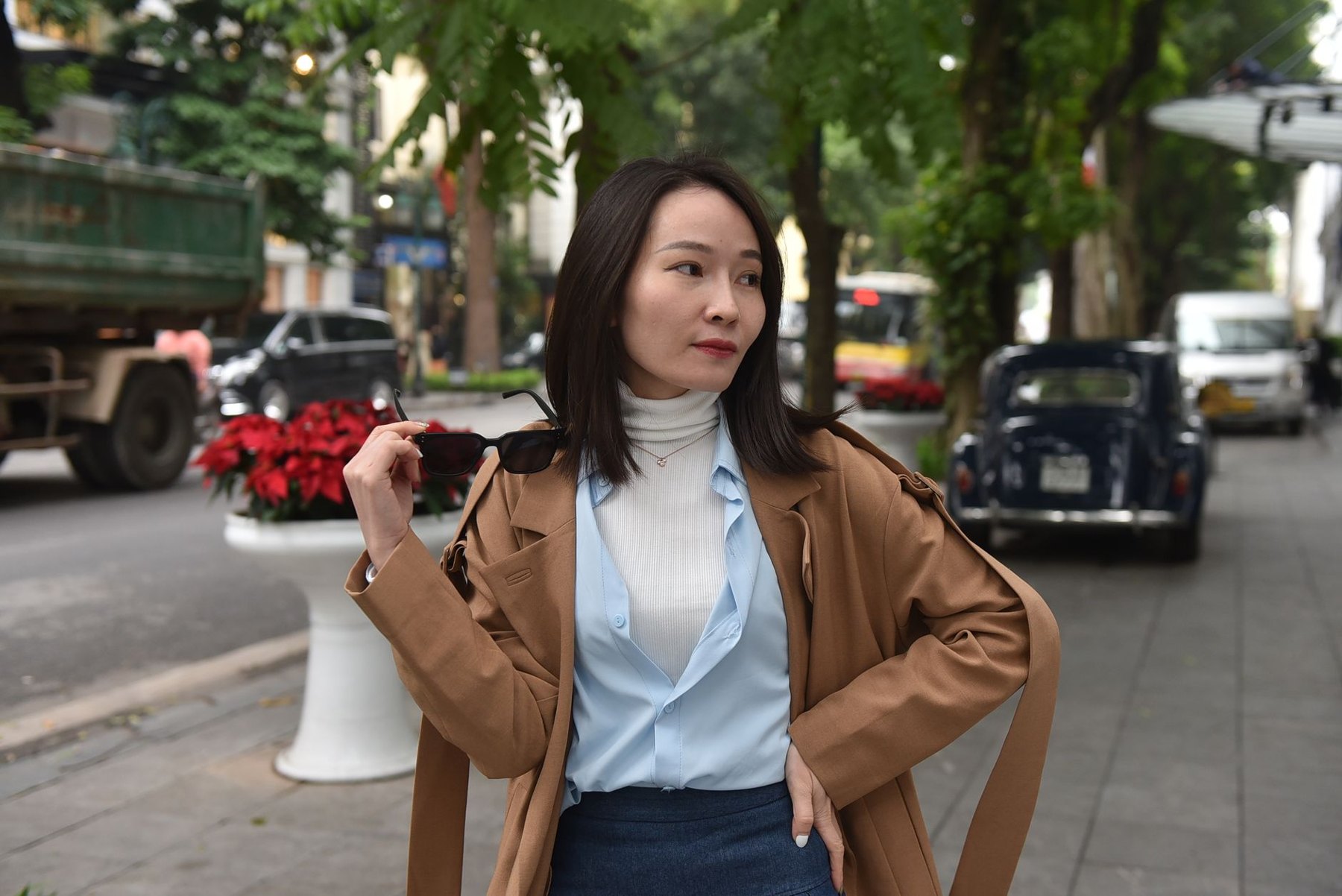
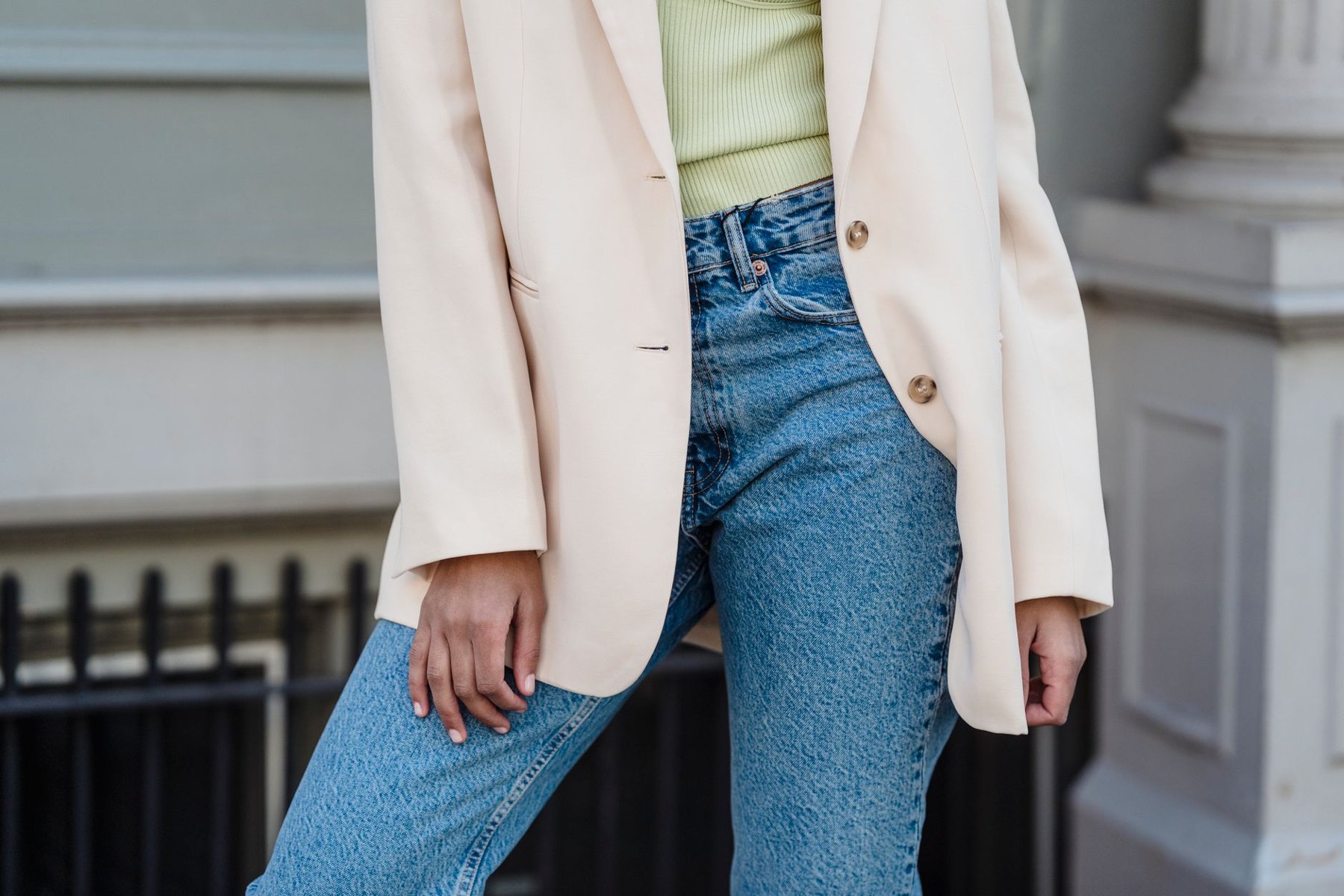
A pair of wide-leg jeans can look right with ankle boots and drag on the pavement when you switch to sneakers. A chunky sweater can feel comfortable indoors but bunch awkwardly beneath a close-fitting jacket. These small mismatches are often what make an autumn outfit difficult to wear.
Start with the shoes you expect to walk in, then choose a hem length and build texture above it. Denim, corduroy, knitwear, and light outerwear offer plenty of variation without requiring a different outfit formula every day. The aim is to make the pieces work together when you sit down, climb stairs, carry a bag, and head outside.
Build the outfit from the ground up
Before choosing a sweater, decide what the day asks of your shoes. A short walk to the office, several hours of errands, and a damp commute may call for different pairs. Use shoes that already feel comfortable for the distance involved; a pleasing silhouette cannot compensate for a heel that slips or a toe box that pinches.
- Choose the walking shoe. Start with loafers, sneakers, or ankle boots according to your plans and the conditions outside.
- Check the bottom half. Put on the trousers or skirt with those exact shoes. Look at the hem from the front, side, and back.
- Add one main texture. Try a ribbed sweater, corduroy trousers, or a substantial denim jacket.
- Test the outer layer. Reach forward and bend your elbows. If the sweater pulls or gathers inside the sleeves, change one of the layers.
- Walk before finishing. Take a few normal steps and sit down. Adjust socks, hems, and waistbands while changes are still easy.
This order also makes getting dressed quicker. Once you know that particular jeans work with particular sneakers, you have a dependable foundation for several tops and jackets.
Mix textures without making the outfit feel crowded
Texture gives simple clothes interest, but every piece does not need to be equally prominent. An easy combination is one noticeable surface, one quieter fabric, and a layer that connects them.
For example, wide-wale corduroy trousers can be the main feature. A smooth cotton top keeps the middle of the outfit calm, while a fine-knit cardigan adds warmth without competing with the cords. With a chunky cable sweater, try flatter denim and a plain jacket so the knit remains easy to see.
Denim as the everyday foundation
Denim works well when you want the rest of the outfit to carry the texture. Straight jeans with a brushed knit and loafers make a simple starting point. A denim skirt can play the same role beneath a ribbed cardigan or a softly textured jacket.
Pay attention to stiffness as well as color. Firm denim holds its shape, which can balance a soft sweater, but it may feel restrictive when sitting or bending. Softer denim is easier to fold into a cuff, though a large cuff may collapse during the day. Choose the version that suits how you move.
Corduroy as the main texture
Corduroy already has a visible pattern in its raised ribs. Pair it with a plain crewneck, a cotton shirt, or a relatively smooth knit when you want a quiet outfit. Wider ribs look more pronounced; finer ribs create a subtler effect.
Brown cords with an ivory sweater are an easy autumn combination, but color can change the mood. Try navy cords with gray knitwear, or olive cords with a pale blue shirt. If the trousers are loose and substantial, a shorter top or a small front tuck can make the waistband visible without requiring a fitted silhouette.
Knitwear that fits beneath a jacket
A sweater needs to work with the coat or jacket you will actually wear. Fine knits are useful beneath closer-fitting layers. Chunkier sweaters need more room through the shoulders, upper arms, and body.
There is a practical tradeoff here: a thick sweater may provide enough warmth with a light jacket outdoors but feel cumbersome once you are inside. Two lighter layers, such as a long-sleeve top and cardigan, give you more ways to adjust. Neither approach is automatically better; choose according to how often you move between temperatures.
Match trouser hems to the shoes
Try trousers on with the intended shoes before deciding whether they need shortening. Sole thickness, the shape of the toe, and the height of the upper all change where fabric settles. Even two pairs of sneakers can give the same trousers a different appearance.
| Shoe | A useful starting point | What to check |
|---|---|---|
| Loafers | Straight trousers ending near the ankle, or full-length trousers with a small break | The hem clears the ground and does not catch beneath the heel |
| Sneakers | Ankle-length jeans or wider trousers that fall over part of the upper | The back hem stays off the pavement as you walk |
| Ankle boots | Cropped trousers that clear the shaft, or longer trousers that fall over it | The trouser opening does not repeatedly snag on the boot |
Loafers: give the hem a clear stopping point
With straight jeans, an ankle-length hem leaves the loafer visible and makes room for socks. If you prefer full-length trousers, aim for a gentle fold at the front rather than several folds stacked above the shoe. Check the back carefully, especially with soft, wide trousers.
Socks can make this combination feel more intentional while covering exposed ankles. Match them loosely to the trousers for a quieter transition, or repeat a color from your sweater. Choose a thickness that fits inside the shoe comfortably; adding heavy socks to a snug loafer can make it difficult to wear.
Sneakers: account for the whole sole
A substantial sneaker can support the visual weight of relaxed jeans or corduroy, while a slimmer pair makes a neat partner for ankle-length trousers. These are useful starting points, though the actual fit matters more than the category.
Long, wide trousers need particular attention. A hem that clears the floor while you stand may slide beneath the heel as you step. Walk at your normal pace and turn around. If the fabric catches, shorten the hem, try a stable cuff, or choose another pair of trousers.
Ankle boots: avoid a hem that catches
For cropped trousers, try a hem that sits above the boot shaft or overlaps it enough to remain in place. A trouser edge that meets the widest part of the shaft may catch and bunch. With full-length trousers, check that the leg opening has room to fall over the boot.
A close-fitting boot shaft can sit neatly beneath narrower trousers, but it still needs to feel comfortable around the ankle. If the combination only looks right after repeated tugging, save yourself the adjustment and change either the trousers or the boots.
Make skirt lengths work for walking
With skirts, hem placement is only part of the decision. Stride room, fabric weight, and the way the skirt moves around your legs matter just as much. Walk up a step and sit down before settling on the outfit.
Midi skirts with ankle boots
A denim or corduroy midi skirt works well with a soft knit and ankle boots when there is enough room to take a normal step. Check any slit while seated as well as standing. A length you enjoy in the mirror may feel awkward if the fabric restricts your knees.
If the skirt and boots meet around the lower calf, look at the full outfit before changing anything. A shorter cardigan or a visible waistband may provide the definition you want. You do not need to expose a strip of skin for the combination to work.
Shorter skirts with loafers or sneakers
A shorter skirt can pair easily with loafers and opaque tights, or with sneakers and socks. Balance the outfit according to comfort: a roomy sweater offers coverage, while a lighter knit fits more easily beneath a jacket.
Try the tights with the shoes before leaving. Feet may shift differently in smooth tights than in cotton socks, particularly in loafers. If the heel slips during a short walk at home, choose a more secure shoe combination.
Five autumn outfits to repeat
1. Straight jeans, a ribbed sweater, and loafers
Start with blue straight-leg jeans, a gray or oatmeal ribbed sweater, and loafers you can comfortably walk in. Add socks and a hip-length jacket. The denim gives the knit a clean backdrop, and the visible shoe keeps the outfit feeling finished.
If the sweater is long, try a small front tuck or fold the hem under slightly. Leave it loose if that feels better; the point is to check whether extra fabric gathers uncomfortably beneath the jacket.
2. Corduroy trousers, a cotton top, and sneakers
Pair relaxed brown or olive cords with a plain cotton top and sneakers. Add a lightweight overshirt that has enough room to button comfortably. This is a useful formula for errands because each layer is easy to remove or put back on.
Keep the trouser hem clear of the pavement. If a cuff becomes too thick or keeps unfolding, use another pair for the day and consider altering the length for future wear.
3. A denim midi skirt, a cardigan, and ankle boots
Choose a denim skirt with comfortable stride room, then add a fine-knit cardigan and ankle boots. Wear the cardigan buttoned as a top or over a simple base layer, depending on the temperature.
A jacket ending around the hip gives you an easy place to start. If you prefer longer outerwear, check that the skirt moves freely beneath it and that the layers feel manageable when you sit.
4. Full-length trousers, a light knit, and loafers
Combine navy or charcoal trousers with a fine cream knit and loafers for a simple workwear outfit. A corduroy jacket adds texture without requiring a thick sweater underneath. Keep the trouser hem high enough to stay clear of the ground.
For a more relaxed version, switch to sneakers and recheck the length. The change in shoe height may mean the trousers need a temporary hem adjustment or a different pairing.
5. Dark jeans, a chunky sweater, and ankle boots
Dark denim makes a quiet base for a cable-knit or other chunky sweater. Add ankle boots and a roomy light jacket. Let the sweater provide most of the texture, with a simple bag and minimal jewelry.
If the jacket feels tight through the arms, switch to a finer sweater or a roomier outer layer. Wearing it open may relieve pressure through the body, but it will not solve sleeves that are too narrow.
Keep a small set of combinations ready
You do not need every texture in every outfit. Choose two bottoms, two knits, one or two outer layers, and the shoes you reach for most often. Test the combinations with attention to hems and movement, then keep the ones that feel easy.
- For cooler mornings: add a removable layer that fits comfortably under the jacket.
- For damp conditions: keep hems off the ground and choose footwear appropriate to the weather.
- For long indoor stretches: use lighter layers you can remove without disrupting the outfit.
- For a different look: change the socks, bag, or color of the top before replacing the whole combination.
Take a quick photo of any pairing you want to remember, including the shoes. A few reliable combinations make autumn dressing easier: you can reach for the jeans that clear your sneakers, the cardigan that fits beneath your jacket, and the skirt that lets you walk comfortably.