You have ten minutes to get dressed, your favorite trousers are clean, and somehow nothing seems to go with them. The problem may be the number of decisions still waiting: which top, which shoes, whether you need a jacket, and whether the whole outfit suits your day.
An outfit formula settles some of those decisions in advance. Start with a combination you like, then change one or two pieces to suit the weather and your plans. Jeans with a simple top and an overshirt can handle errands; the same jeans with a knit and a jacket can take you to a casual meeting. You can repeat the structure without wearing exactly the same outfit.
The five formulas below use familiar clothes and leave room for personal preference. Before adding anything to your shopping list, try them with pieces you already own. The useful version is the one that feels comfortable when you sit, walk, reach for something, and get on with your morning.
1. Straight-Leg Jeans + a Simple Top + an Open Layer
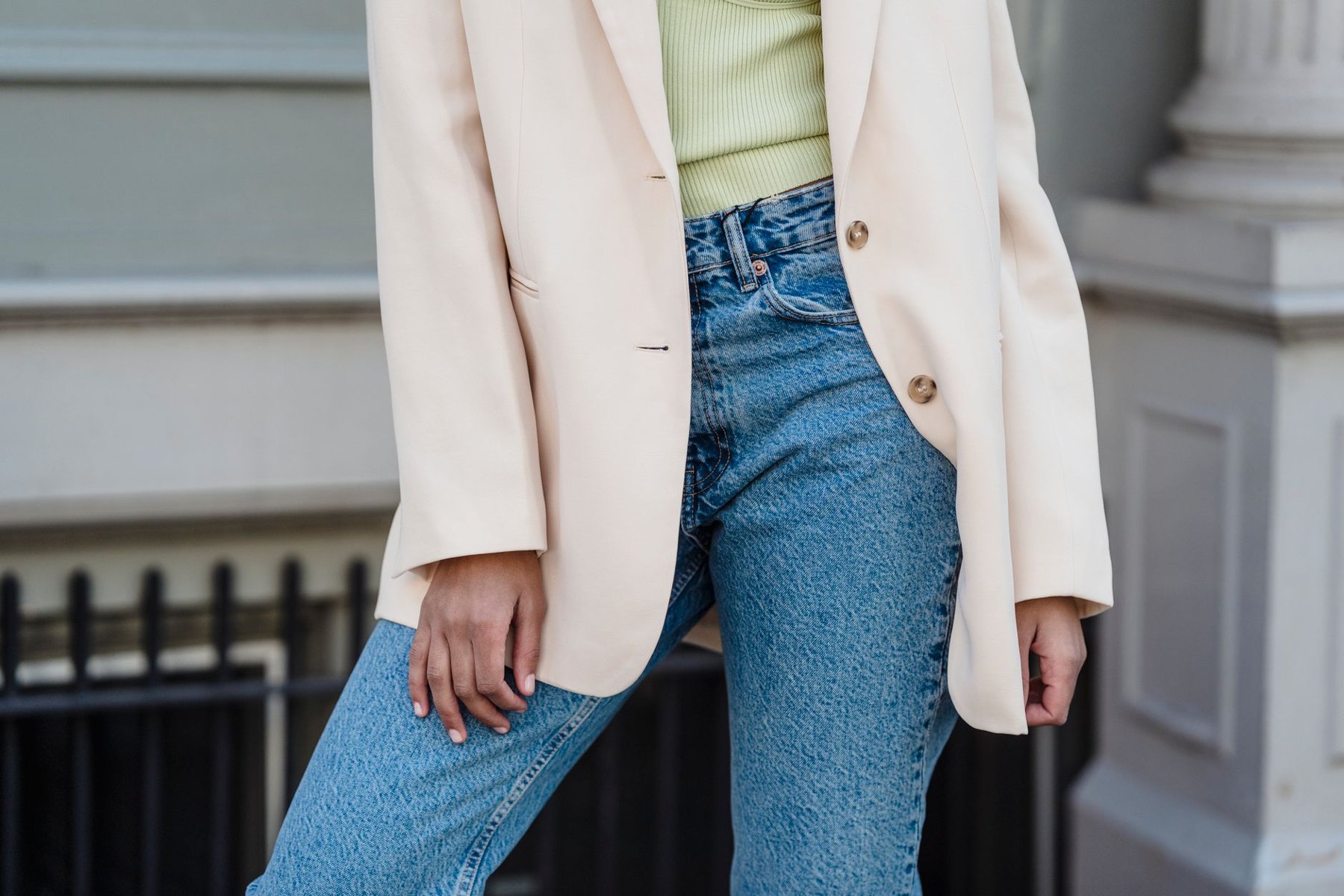
This combination gives you three easy decisions: jeans you trust, a top that works underneath another piece, and an open shirt or jacket. Straight-leg jeans are a convenient starting point, but use your preferred denim shape. There is no reason to replace a comfortable pair just to follow the formula.
Build the base
Try blue jeans with a white T-shirt, a charcoal tank, or a striped long-sleeved top. Check where the top ends. If it bunches under your outer layer, tuck it fully, make a small front tuck, or choose a shorter top. If you prefer wearing tops untucked, look for a hem that sits comfortably over the waistband without catching on pockets.
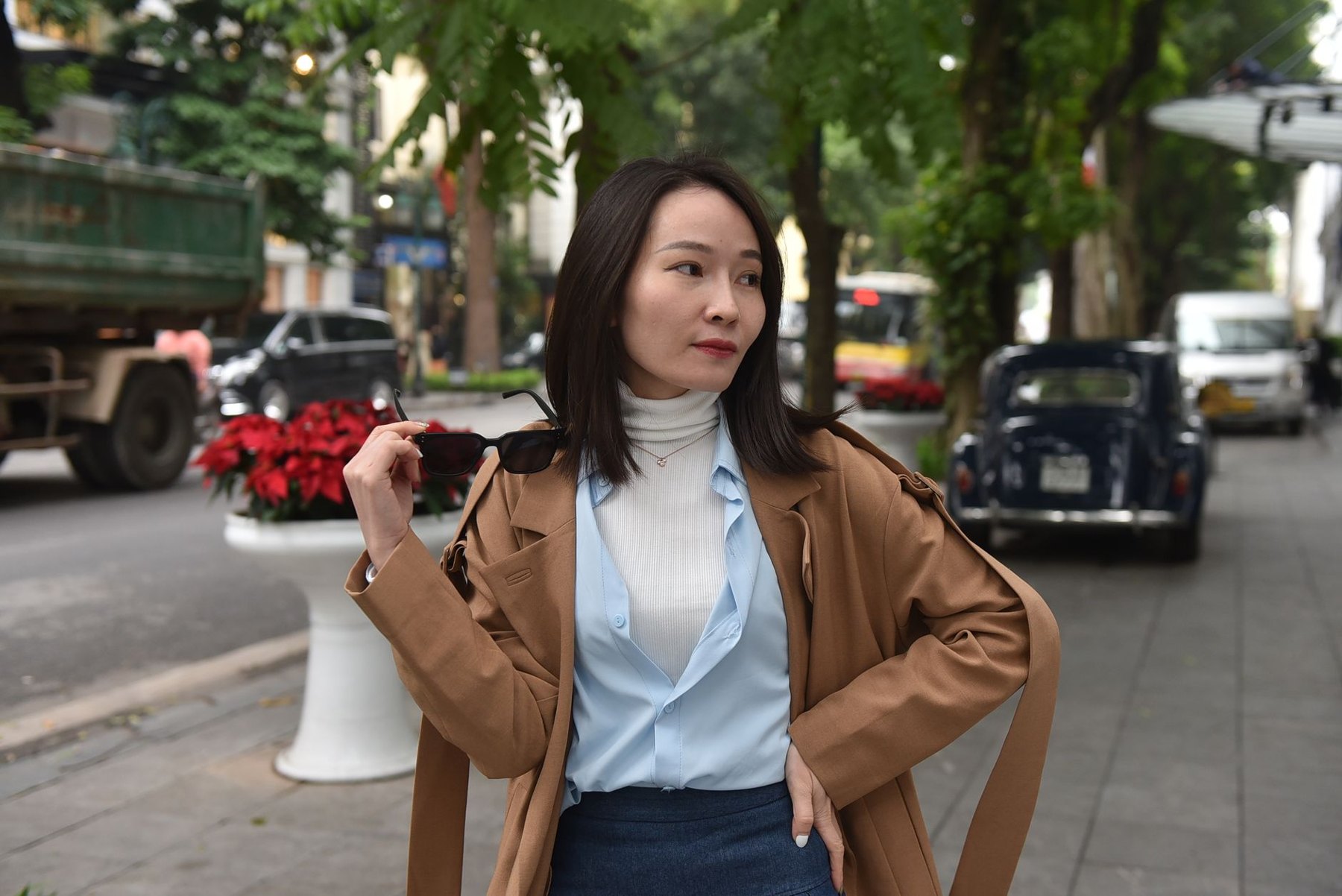
Add an unbuttoned cotton shirt, a cardigan, or a lightweight jacket. A navy overshirt over a white tee and blue jeans creates an easy tonal combination. An olive jacket with an ecru top introduces another color without requiring much coordination.
Change it for your plans
- Errands: Choose comfortable trainers, an open shirt, and a bag that leaves your hands free.
- Lunch: Swap the shirt for a cardigan and wear loafers, flats, or clean trainers.
- A casual meeting: Add a softly structured jacket and plain shoes, provided denim suits the setting.
The main tradeoff is volume. A roomy top, loose jeans, and a generous jacket may feel pleasantly relaxed, but the layers can also get in your way. Keep the combination if you enjoy it; if you want less fabric around you, change just one element. A closer-fitting tee beneath an oversized shirt often makes the outfit easier to wear.
Ready-to-repeat example: Mid-blue jeans, a white crew-neck tee, a navy overshirt, white trainers, and a tan crossbody bag.
2. Tailored Trousers + a Knit or Tee + Loafers
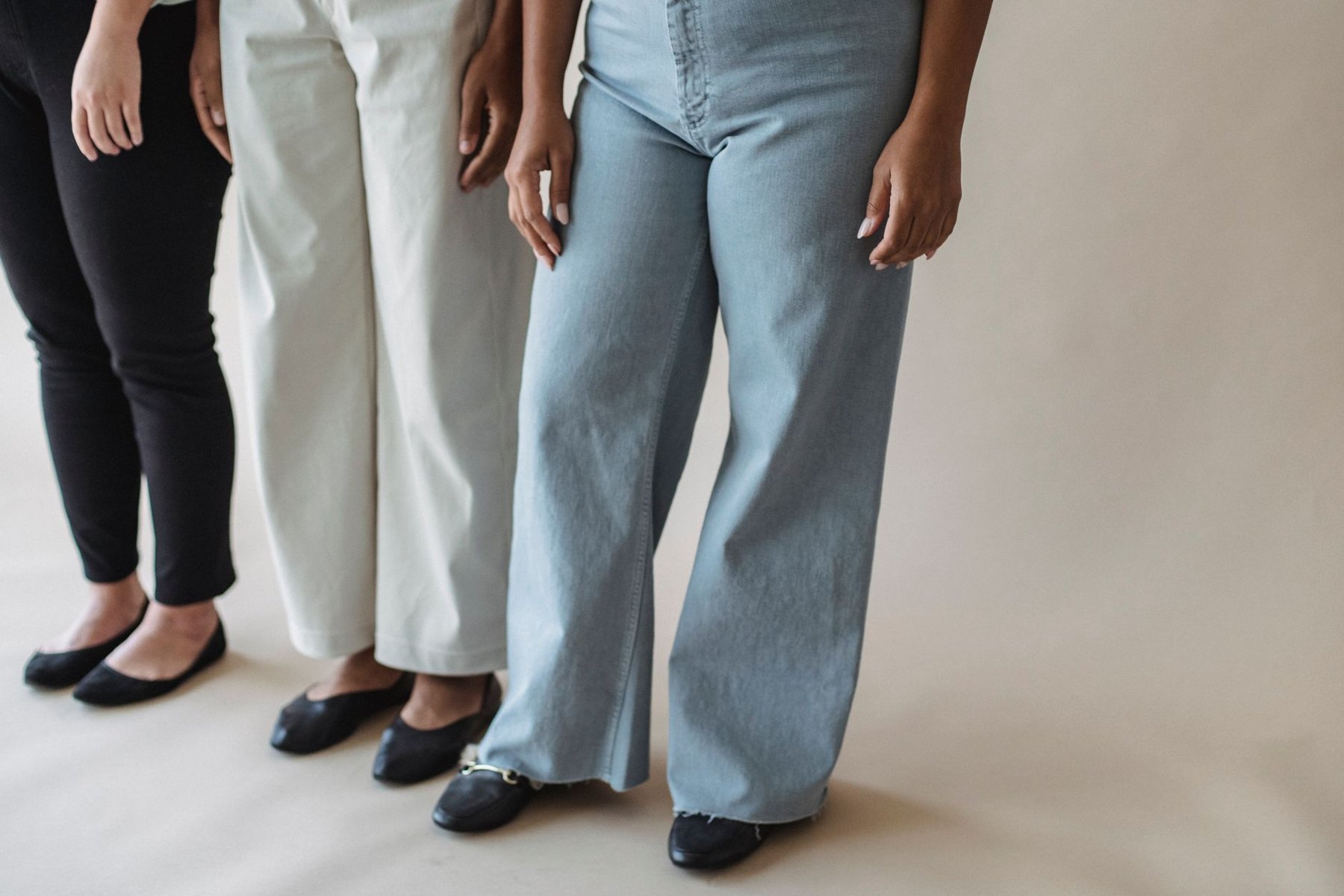
Tailored trousers can do much of the visual work on a busy morning. A pair with a comfortable waistband and a hem that works with your usual shoes gives a simple top a more deliberate finish. Choose straight, tapered, or wide legs according to what you enjoy wearing.
Let the trousers set the proportions
Start with trousers in a color you already wear often: charcoal, navy, black, brown, or beige. Add a fine-knit sweater or a plain tee. With a wider leg, try a top that finishes near the waistband or tucks without creating bulk. With tapered trousers, you might prefer a longer knit worn loose.
Check the hem with your intended shoes before making this a regular formula. If the fabric drags beneath your heel, those trousers may need alteration or a different shoe pairing. Save combinations that require constant adjustment for a day when you have time to resolve them.
Use shoes to adjust the mood
Loafers are an easy starting point if they are comfortable for your feet. Trainers make the combination more relaxed, while ankle boots offer another option for cooler days. You do not need a heel to make tailored trousers look complete.
- Errands: A cotton tee, trainers, and a practical zip jacket.
- Lunch: A fine-knit sweater, loafers, and a cardigan over your shoulders or in your bag.
- A casual meeting: A simple knit, loafers, and a blazer that leaves enough room through the sleeves.
Consider fabric as well as appearance. A lightweight pair may feel comfortable indoors but offer little warmth outside. A heavier pair may be awkward on a warm commute. Choose the trousers for the conditions first, then use your outer layer to bridge the remaining gap.
Ready-to-repeat example: Charcoal trousers, an ivory knit, black loafers, and a navy jacket. Add a small necklace or earrings if you want a finishing detail.
3. Midi Skirt + a Simple Top + Flats or Boots
A midi skirt offers a change from trousers while keeping the outfit straightforward. The key is finding a skirt-and-shoe pairing you can move in comfortably. A slip-style skirt, an A-line shape, and a pleated skirt will each create a different result, so begin with the one already in your wardrobe.
Choose one focal point
If your skirt has a print, pleats, or noticeable texture, pair it with a plain top while you establish the combination. Pulling one color from a printed skirt is a simple way to choose that top. A navy-and-cream print, for example, gives you two obvious starting options.
For a plain skirt, try a striped tee, a fine knit, or a simple shirt with the sleeves rolled comfortably. You can also keep both pieces quiet and add interest with a textured bag or a necklace. There is no requirement for every outfit to have a statement piece.
Resolve the waist and hem together
Try the top tucked, untucked, and lightly folded under at the hem. Look for the version that stays comfortable after you sit down. A tuck may create a clear waistline, but it is less useful if you spend the day pulling fabric back into place.
Then walk in the shoes you plan to wear. Flats, loafers, trainers, and boots can all work, depending on the skirt and your preferences. Check that the hem does not catch on buckles or boot details and that you can take a normal stride.
- Errands: A cotton tee, trainers, and a crossbody bag.
- Lunch: A fine knit, flats, and a cardigan or short jacket.
- A casual meeting: A plain top, a softly structured jacket, and loafers or boots.
Ready-to-repeat example: A navy A-line midi skirt, a cream-and-navy striped top, burgundy flats, and a cream cardigan. If you prefer fewer colors, replace the burgundy shoes with navy or brown.
4. A Simple Dress + a Useful Outer Layer + Walking Shoes
A dress removes the need to coordinate a separate top and bottom, which can make it especially useful when time is short. Choose a dress that works with your everyday underwear, allows you to sit comfortably, and does not need repeated adjustment.
Start with the dress you reach for
A shirt dress, a knit dress, or a relaxed woven dress can anchor this formula. Think about the practical details that matter to you: sleeves, coverage, pockets, fastening, and how easily you can move. A dress that looks lovely but needs a complicated underlayer may not belong in your quickest morning rotation.
Add an outer layer you can remove easily. Try a denim jacket over a cotton dress, a long coat over a knit dress, or an open cardigan over a simple woven style. If the sleeves bunch or the neckline gets caught beneath the layer, try a different pairing before saving the outfit.
Keep two shoe options ready
Pick one pair for longer walks and another for days when you want a different finish. Those might be trainers and loafers, sandals and flats, or flat boots and trainers. Both pairs should work with the dress as it is, without needing a new belt or jacket to make sense of the change.
- Errands: Trainers, a casual jacket, and a washable or easy-care bag.
- Lunch: Flats or sandals, a cardigan, and a small piece of jewelry.
- A casual meeting: Loafers or boots, a jacket, and a bag that holds what you need.
A belt is optional. Try one if you want to change the shape, then sit down and check the comfort. Leaving the dress loose is equally workable. The aim is to reduce morning decisions, so avoid accessories that need constant attention.
Ready-to-repeat example: An olive shirt dress, white trainers, a dark denim jacket, and a brown shoulder bag.
5. Dark Jeans + a Fine Knit + a Structured Jacket
This formula gives denim a more dressed-up direction than the first combination. The fine knit supplies a tidy base, and the jacket adds shape. It is useful for days that include several stops, especially when you want to feel put together without changing between plans.
Keep the base easy to repeat
Try dark blue jeans with a navy sweater, black jeans with a charcoal knit, or indigo denim with a brown top. Similar colors can make the base feel cohesive while leaving plenty of freedom for the jacket. If you prefer more contrast, use a cream or pale blue knit instead.
Choose a knit that fits comfortably beneath the jacket. Thick sleeves may feel fine on their own but become restrictive when layered. Button the jacket, reach forward, and check that you can move your arms naturally.
Choose structure that suits your day
The jacket could be a blazer, a cropped wool style, or a simple collarless jacket. You are looking for a shape you like and enough room for your base layer. If you will carry it for much of the day, consider its weight and whether it fits in your bag.
- Errands: Wear trainers and keep the jacket open.
- Lunch: Choose loafers or flats and add a scarf if you enjoy wearing one.
- A casual meeting: Try plain boots or loafers, and check whether jeans fit the expected dress code.
Ready-to-repeat example: Dark indigo jeans, a navy fine-knit sweater, a camel jacket, and brown loafers. For a cooler palette, use a gray jacket and black shoes.
Turn the Formulas Into a Five-Minute Routine
Test these combinations when you have a little time, rather than during the morning rush. You do not need to make all five work. Two or three reliable outfits may cover most of your week.
- Choose your dependable bottoms or dress. Start with pieces that fit comfortably today and are ready to wear.
- Complete each outfit through to the shoes. Include socks or hosiery, outerwear, and a practical bag so there are fewer decisions left.
- Move around. Sit, bend, walk, and reach. Change anything that pinches, slips, or catches.
- Take a quick photo. Save the combinations you like in a phone album for mornings when you cannot think what to wear.
- Note one useful swap. Record the warmer layer or alternate shoes that let you wear the outfit in different conditions.
Keep accessories manageable. An everyday bag and a few pieces of jewelry you enjoy can serve several combinations. Match metals or mix them according to your taste; spend your limited morning time checking comfort and the weather.
If a formula repeatedly fails, identify the specific problem before buying something. Perhaps the trousers need hemming, the top is too bulky under the jacket, or the shoes make an otherwise useful outfit uncomfortable. A small adjustment may be enough. Put tomorrow’s combination within reach, and let the next morning begin with one decision already made.