Your trousers look right in the mirror, but the waistband digs in when you sit. A skirt makes the station stairs awkward. The jacket you needed outside becomes an extra item to hold on a crowded train. A useful commuting outfit needs to work through these moments before it needs another accessory.
Start with the part of your journey that asks the most of your clothes: mounting a bicycle, walking quickly between platforms, standing with an arm raised, or carrying everything up stairs. Build around that movement, then use shape, color, and a few considered details to make the outfit feel appropriate for your workplace.
The three formulas below address different commuting problems. Each can be assembled from familiar wardrobe pieces, with adjustments for your office dress code and the way you travel.
Test the outfit before leaving home
Try on the complete outfit, including shoes, outerwear, and your packed bag. Empty pockets and an unfastened jacket can hide problems that appear once you are carrying a laptop and wearing every layer.
Sit: check the waistband, coverage, and pockets
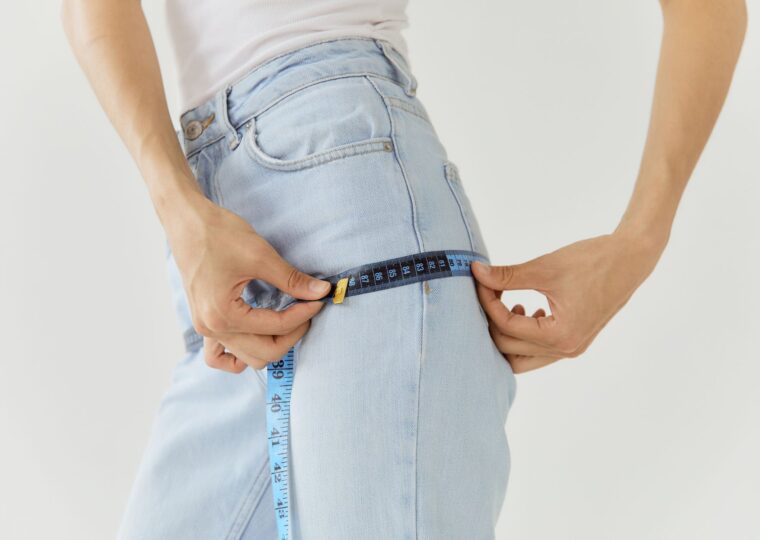
Sit on a firm chair with both feet on the floor, then lean forward slightly. Trousers should let you breathe comfortably without the waistband folding into your stomach or the crotch pulling tightly. Look for pockets that gape, shirt buttons that strain, and a back waistband that drops lower than you want.
For a skirt, check where the hem rests while seated and whether you can shift your knees comfortably. A lining can restrict movement even when the outer fabric stretches. If you cycle, also check your position on your stationary bicycle in a secure place; a chair cannot reproduce the reach to your handlebars.
Step: check stride and hems
Take a long walking step, climb a few stairs, and lift one knee as though stepping onto a train. Notice whether a narrow skirt limits your stride, trouser legs catch under your heels, or a shoe slips at the back. Repeat with your bag on.
For cycling, check clearance around the bicycle while stationary. Loose fabric, dangling straps, and unsecured accessories need particular attention near the chain and wheels. A hem that clears your shoes while standing may sit differently when you pedal.
Reach: check shoulders and shifting layers
Raise one arm as though holding a train handrail, then reach both arms forward. Your jacket should allow the movement without pulling sharply across the upper back. Check whether your shirt comes untucked, your midriff becomes exposed, or your bag slides off your shoulder.
If the outfit needs constant adjustment during these tests, change the troublesome piece. A different trouser cut or shorter outer layer is often more useful than adding another clip, belt, or styling trick.
Formula 1: Tapered trousers, a flexible top, and a short jacket
Best for: a cycling commute with an office day that calls for a neat, understated outfit.
Build this combination with straight or gently tapered trousers, a fine knit or roomy shirt, and a jacket that finishes around the hip. Add secure, low-profile footwear and a bag that stays close to your body.
Choose trousers by movement and lower-leg shape
Look for enough room through the seat and thighs to sit and lift your knees comfortably. Stretch can help, but the cut still matters: a tight pair with stretch may feel more restrictive than a roomier woven pair. Test both rather than relying on the fabric label.
A gently tapered leg gives you less loose fabric to manage around a bicycle than a wide flare. However, even a narrow hem needs a clearance check. Secure the chain-side trouser leg with a suitable trouser band if needed, and confirm that nothing can reach moving parts. Do not rely on a casual roll that starts slipping as you move.
Try charcoal trousers with a pale blue knit and a navy jacket, or olive trousers with an ivory shirt and a dark brown overshirt. Keeping the colors related makes practical pieces look considered without requiring delicate accessories.
Let the top accommodate your riding position
A shirt needs room across the shoulders when your arms extend forward. If it pulls at the buttons, try a more relaxed cut rather than simply leaving extra buttons open. A fine knit is another option, provided it does not become uncomfortably warm beneath your jacket.
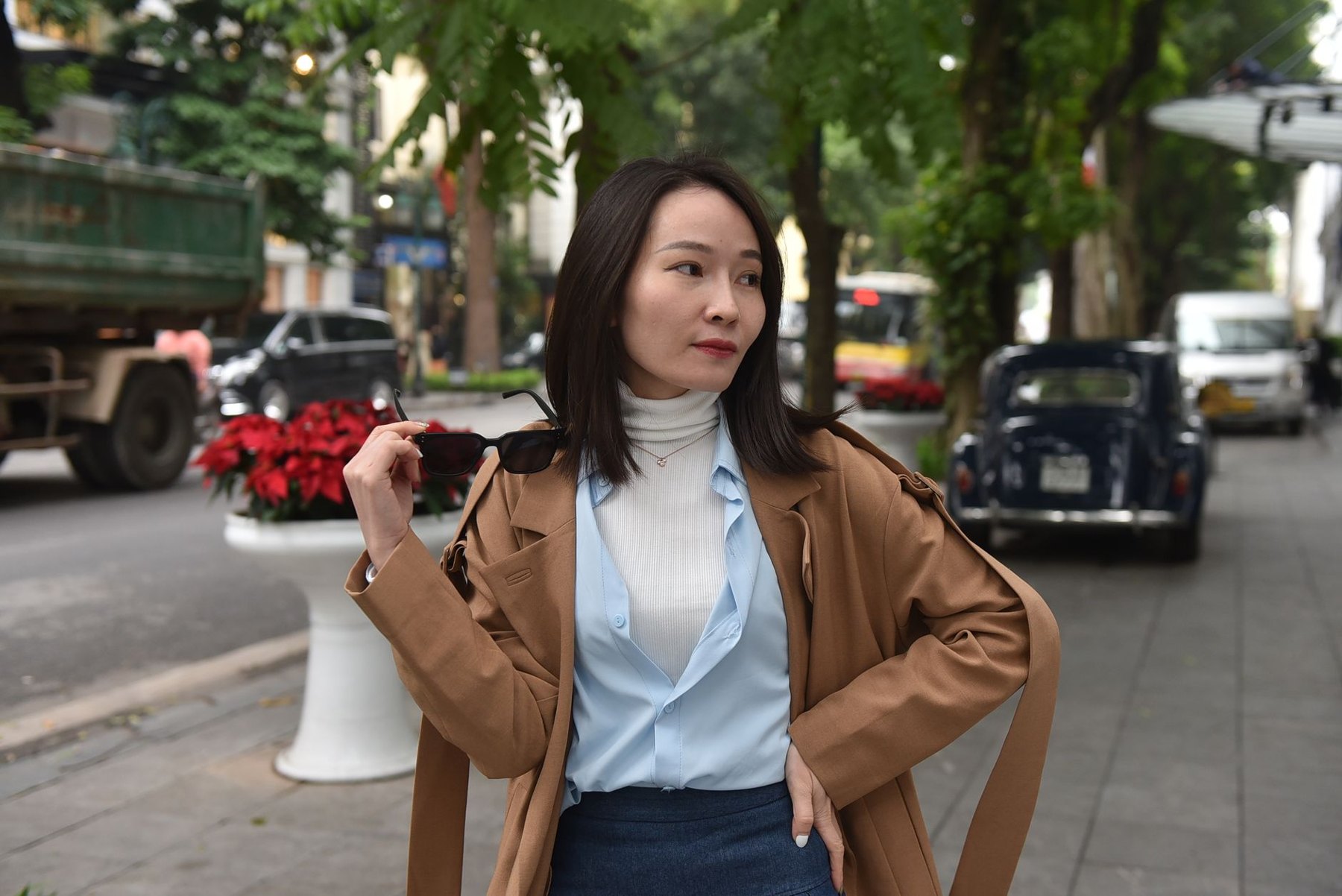
A short jacket is easier to assess for bicycle clearance than a long, loose coat. Check the back hem in your riding position and secure any drawcords. If your commute requires protective or weather-specific outerwear, choose that first and carry the office jacket folded in your bag.
Keep the shoes and bag stable
Choose shoes that fasten securely and feel stable on your pedals. Tuck away long laces. If your office shoes have slippery soles, delicate uppers, or heels that interfere with pedaling, carrying them may be the more comfortable compromise.
A fitted backpack or properly attached bicycle bag can keep your hands available. Secure loose straps and check that your load does not shift. A crossbody bag that swings toward your front when you lean forward is a poor match for this formula, even if it looks good while standing.
The tradeoff: this outfit prioritizes easy movement and manageable hems. For a more formal office, pack structured shoes or a tailored jacket rather than making every commuting piece more restrictive.
Formula 2: A movement-friendly skirt, a simple top, and a packable layer
Best for: walking and public transport, especially when stairs, seats, and temperature changes shape the journey.
Combine an A-line or gently flared skirt with a simple top, a light cardigan, and secure flats or walking shoes. Choose the skirt length through movement tests: it should offer the coverage you want while clearing your feet on stairs.
Give your stride enough space
An A-line shape is a useful starting point because it offers room around the knees. Check the actual garment, though: a narrow lining, rigid fabric, or tight waistband can cancel out the apparent ease of the shape.
A straight skirt can work if you can take a full step and sit comfortably. Check any slit while walking, sitting, and climbing stairs. You should feel comfortable with the coverage throughout those movements, without having to hold the fabric in place.
For example, pair a navy A-line skirt with an oatmeal knit and burgundy flats, or a brown skirt with a pale blue shirt and dark walking shoes. A restrained color combination leaves room for practical footwear without making it feel like an afterthought.
Plan where the extra layer will go
Choose a cardigan or light overshirt that folds into the space actually available in your bag. Test this with your lunch, water bottle, and work items already packed. A layer is only conveniently packable if you have somewhere to put it.
Wear the cardigan beneath your coat outside, then remove and stow it when you reach a warm station or train, if space allows. Keep it near the top of your bag so you can reach it without unpacking. Avoid using shoulder straps as improvised storage if the garment can slide off or trail behind you.
A thin layer takes up less room, but may provide less warmth than your journey requires. On colder days, a warmer outer coat with a lighter office layer may suit you better than several bulky pieces that all need carrying indoors.
Adapt carefully if cycling is part of the route
A skirt that works well on a train does not automatically work on a bicycle. Longer or fuller fabric may reach moving parts, while a narrower skirt may restrict mounting and pedaling. Check the garment on your own bicycle while stationary, including coverage and clearance.
If you cannot keep the fabric safely clear and move freely, wear trousers for the ride and pack the skirt. This is a straightforward option when you have a changing space at work. Choose a skirt that folds neatly and does not require extensive arranging on arrival.
The tradeoff: this formula offers a different silhouette and an easily adjustable layer, but skirt length and fullness demand closer attention on stairs and bicycles.
Formula 3: Relaxed tailoring, a breathable base, and secure walking shoes
Best for: a public transport commute with long walks, crowded carriages, and a smarter office dress code.
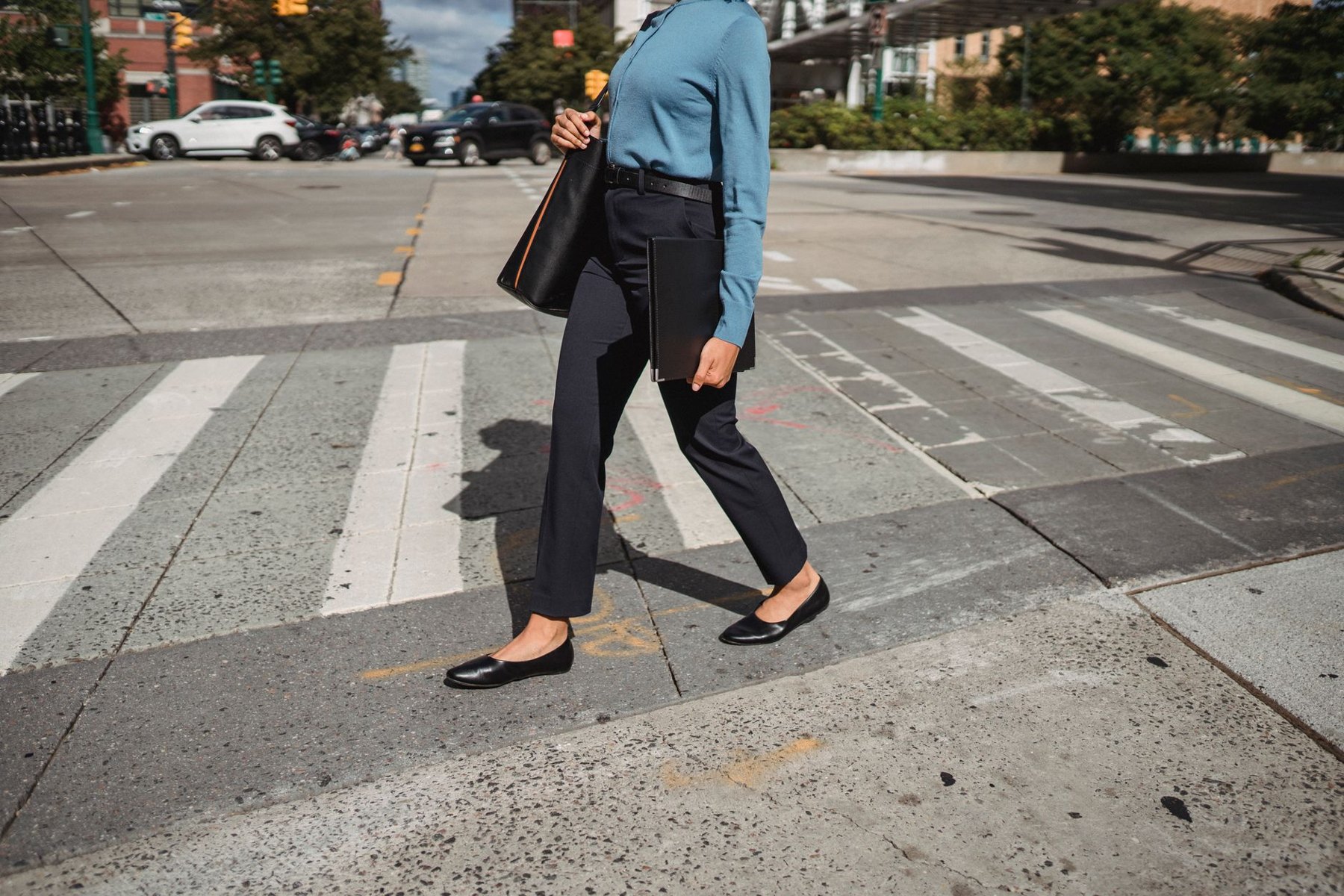
Start with relaxed straight-leg trousers, a simple base top, and an unstructured blazer. Add secure walking shoes and a bag with a closure you can access easily. The tailored pieces provide the office character; their fit makes the journey manageable.
Keep the trouser hem clear of the ground
Relaxed trousers can allow a generous stride, but excess length becomes inconvenient on station steps and wet pavements. Try them with your actual commuting shoes. The hem should clear the ground without needing to be lifted by hand.
If you change into higher shoes at work, choose a trouser length that remains workable with both pairs. Otherwise, a separate office shoe can create a new problem: trousers that drag for the entire commute. A modest difference in sole height is easier to accommodate.
Try dark navy trousers and a matching relaxed blazer with a white top, or charcoal trousers with a soft brown jacket and a muted blue base. Repeating one color in your shoes or bag can help the combination feel cohesive.
Check the blazer with your bag
Raise your arms while wearing the blazer and carrying your packed bag. Watch for sleeves that bind, lapels that bunch under straps, or shoulders that feel compressed. A softer jacket may be easier to pack, but inspect how it looks after folding before making that part of your daily routine.
A sleeveless or short-sleeved base can reduce bulk beneath the jacket if it suits your office. If you prefer more coverage, a lightweight long-sleeved top may work better than a thick shirt under a fitted sleeve. Choose an opaque base you feel comfortable wearing on its own when the carriage gets warm.
Make the bag work while standing
A zipped backpack leaves your hands available, though you may need to remove it and hold it close in a crowded carriage. A shoulder tote offers quick access but can slide when you raise an arm. Test the fastening and strap length with your coat on.
Keep heavy items close to your body and put your travel card or ticket in a consistent, accessible pocket. Avoid packing so tightly that removing a cardigan means pulling out your laptop first.
The tradeoff: relaxed tailoring can move comfortably through a transit commute, but wider hems and open jackets require adjustment before cycling. For a mixed journey, use the more contained trousers from the first formula.
A compact arrival routine
Give each commuting item a destination when you reach work. A small pouch for essentials and a clear place for outerwear make refreshing your outfit easier.
- Cool down before adding layers. Remove your outerwear and allow yourself a moment before putting on an office jacket.
- Reset the fit. Release trouser bands, straighten hems, smooth pockets, and adjust your shirt tuck.
- Refresh where needed. Blot moisture with a clean cloth or tissue. Change your base top or socks if you have brought a spare and need it.
- Change shoes if planned. Store the commuting pair separately from clean clothing.
- Check once. Look for a twisted collar, caught lining, or exposed undershirt, then put your commuting kit away.
After a few journeys, adjust the piece that repeatedly causes trouble. A bag that slides, a hem that needs holding, or a jacket that always feels too warm gives you a specific problem to solve. Keep the parts that already work and build your next outfit around them.