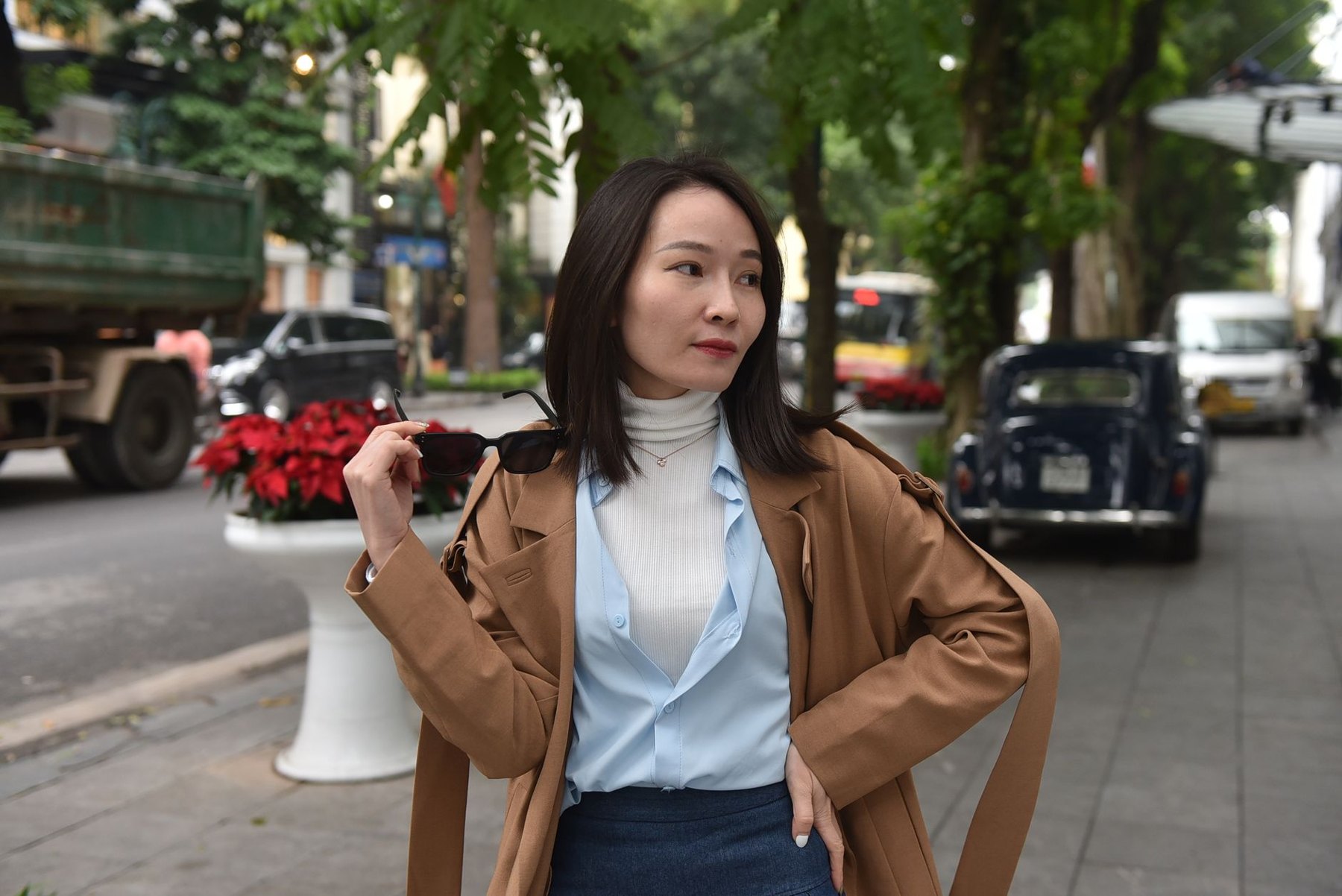
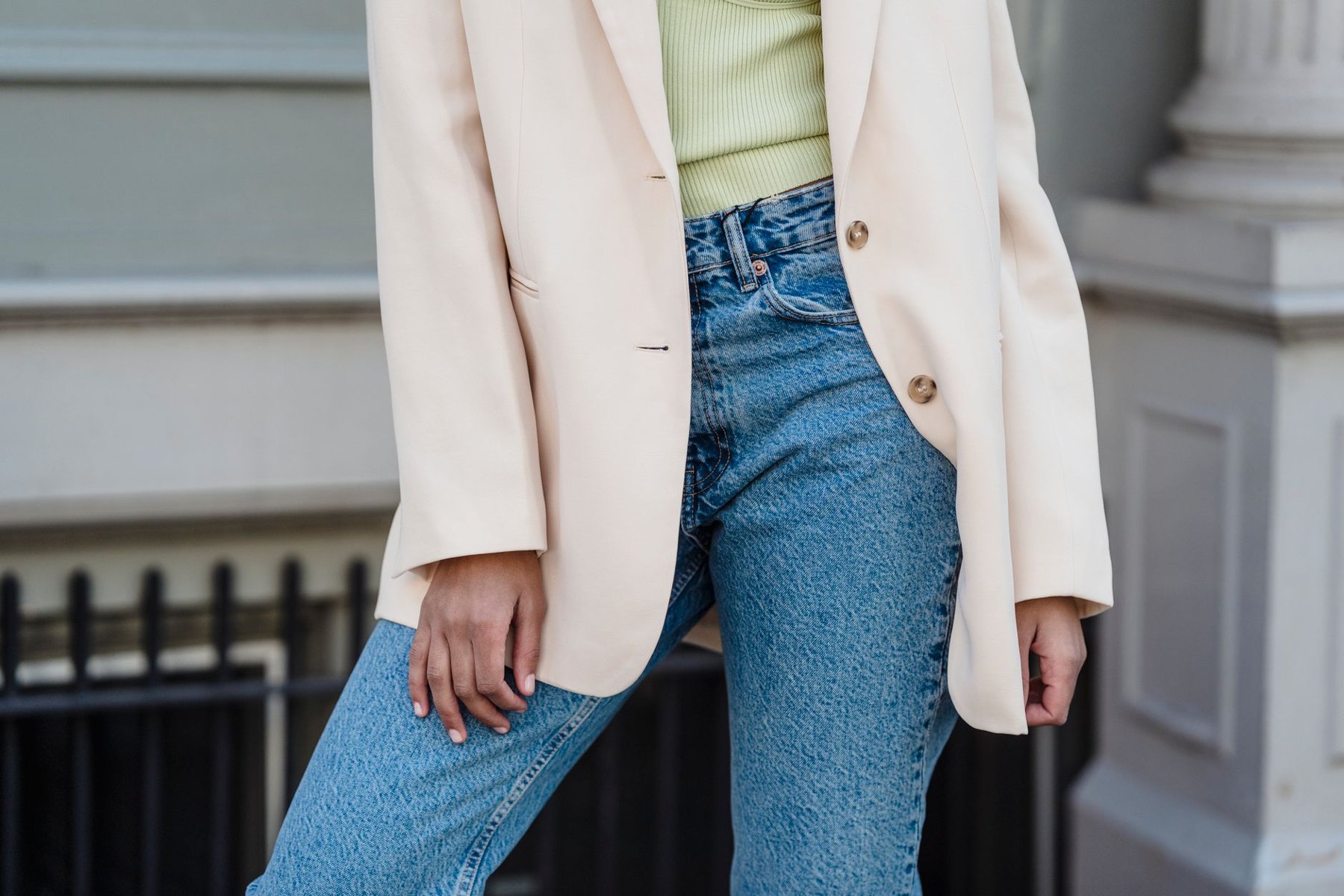
If a button-down shirt only gets worn with the same pair of work trousers, start by changing what surrounds it. Keep the shirt, swap the bottom half, adjust the sleeves, and choose a different shoe. A shirt that feels formal on Monday can become a relaxed layer on Saturday and part of an evening outfit without requiring three separate wardrobes.
The useful starting point is a plain shirt you already own: white, pale blue, a quiet stripe, or another color that works with your usual clothes. It does not need to be new, expensive, or deliberately oversized. It needs to sit comfortably on your body and leave enough room for the movements your day requires.
Build the outfits below with your closest equivalents. Black jeans can stand in for tailored trousers in a casual office; a simple skirt can replace denim; clean flats can do the job of heels. The aim is to find combinations you will repeat.
Choose the shirt by how you will actually wear it
Before thinking about accessories, try the shirt in three positions: buttoned and untucked, tucked into your usual trousers, and open over a tank or T-shirt. These reveal more about its usefulness than looking at it on a hanger.
A straight or gently relaxed cut is a practical starting point if you want to wear the shirt both alone and as a layer. A close-fitting shirt may tuck neatly but offer less room over another top. A very roomy shirt can create an easy silhouette, though extra fabric may bunch under a fitted jacket or inside a narrow waistband.
- Check the front: button it to your preferred neckline, then sit down and reach forward. Notice any pulling or gaps.
- Check the shoulders and arms: move as you would while driving, carrying a bag, or working at a desk. The shirt should allow those movements comfortably.
- Check the length: see whether it stays tucked when you lift your arms and whether you like the hem when it is left out.
- Check the fabric: look at it in daylight over the underlayer you expect to wear. Decide whether its opacity and texture suit your needs.
- Check the cuffs: try them fastened and folded back. Sleeves that constantly need adjusting may become a daily irritation.
Choose color with your existing wardrobe in view. White may be useful if you regularly wear dark denim and navy trousers, but pale blue, cream, or a muted shade might connect more easily with what you own. A versatile color is one you can readily combine with your clothes.
For work: add structure with pieces you already trust
Start with trousers and a simple tuck
Pair the shirt with your usual work trousers and shoes you can comfortably wear through the day. Straight-leg trousers, tapered styles, and wider cuts can all work. Choose the pair whose waistband accommodates the shirt without feeling crowded.
For a full tuck, button the shirt, tuck it in, then raise your arms slightly to release a little fabric above the waistband. This gives you room to move. Check the back and sides before adding a belt; a belt is useful if you need it or like the detail, but it is not essential to finishing the outfit.
A straightforward combination is a pale shirt, charcoal trousers, and dark loafers or flats. If your wardrobe is warmer in tone, try cream with brown or olive. Keep the shoes and bag familiar so that experimenting with the shirt does not turn into a shopping list.
Adjust the formula to your workplace
For a more formal setting, wear the shirt beneath a jacket you already use and follow your workplace's dress expectations. Check that the sleeves sit comfortably inside the jacket and that the collar lies the way you prefer. If the shirt bunches noticeably, try a roomier jacket or a less bulky shirt.
In a casual workplace, leave the shirt untucked over straight trousers or dark jeans if that fits the dress code. Look at the proportions in a mirror: if the hem covers more of the trousers than you like, try a small front tuck. If that feels fussy, leave it out and choose a shorter outer layer.
The tradeoff is usually between a cleaner outline and freedom of movement. A full tuck can look crisp but needs enough waistband room. An untucked shirt is easier to adjust throughout the day, though its length matters more to the overall shape.
For weekends: use the shirt as a light layer
Wear it open over a familiar base
Start with jeans and a plain T-shirt or tank, then put the shirt on unbuttoned. Fold the cuffs once or twice if you prefer a shorter sleeve. Add trainers, sandals, or boots according to the weather and your plans.
This works especially well as a way to reuse a base outfit you already like. Blue jeans, a dark tank, and comfortable shoes become a slightly different combination with a pale shirt worn open. With black jeans and a white T-shirt, a striped shirt can supply the main pattern.
Check the layers together before leaving. A thick T-shirt under a close-fitting shirt may feel restrictive, while a roomy shirt over a loose top can create more volume than you want. Change one layer at a time rather than assuming the entire outfit is wrong.
Button it with denim or shorts
For a simpler option, wear the shirt buttoned with jeans. Leave the neckline at a comfortable point and try either a loose tuck or an untucked hem. Use your preferred denim shape as the starting point; there is no need to buy a different cut to make the combination work.
In warm weather, substitute shorts you already enjoy wearing. A longer shirt may cover most of a short hem, so check the outfit from the side and back as well as the front. A front tuck can make the shorts more visible. You can also wear the shirt open over a tucked-in top.
A shirt tied at the waist is another option, provided there is enough fabric to knot without pulling across the buttons. Expect the knot to crease the fabric and add bulk where it sits. If you want the shirt ready for work the next morning, an ordinary tuck may be the more convenient choice.
For an evening out: change the balance
You do not need a separate going-out top for every plan. Try the shirt with dark trousers, a skirt, or your best-fitting jeans, then use one or two details to give the combination a different mood.
Pair it with a skirt
A plain button-down can work with a fluid midi skirt, a straight skirt, or a shorter style you already wear. Start with the shirt tucked in, then loosen it slightly so you can sit comfortably. If the skirt has a fitted waist, avoid forcing a large amount of fabric into it.
For example, combine a pale blue shirt with a black skirt and black flats. Add earrings you own and carry a smaller bag if one suits the occasion. The outfit can feel considered without needing heels or a newly purchased accessory.
If both pieces are roomy, you may enjoy the relaxed shape. If you want a more defined waist, tuck the shirt or choose a less voluminous bottom. Treat this as a preference to test in the mirror, rather than a rule about which bodies can wear loose clothing.
Keep the trousers, change the finishing details
For a direct transition from work, keep the shirt and trousers and remove the jacket. Refold the sleeves neatly, adjust the neckline, and add one piece of jewelry if you like. A different shoe or bag can help, but only if you already have a suitable option.
Check comfort while seated, especially if you have changed the tuck or opened another button. The neckline should stay where you want it during normal movement. Clothing that needs constant monitoring can make an otherwise easy evening feel complicated.
Use a small outfit map before buying anything
Lay out the shirt with three bottoms and two pairs of shoes from your wardrobe. You do not need every possible combination to succeed. Find one reliable outfit for each part of your week, then photograph the combinations for your own reference.
| Plan | Base combination | Styling adjustment | Practical check |
|---|---|---|---|
| Work | Shirt, tailored trousers, loafers or flats | Full tuck; add an existing jacket if needed | Sit and reach to check the front and waistband |
| Weekend | Shirt, T-shirt or tank, jeans, trainers | Wear the shirt open with folded cuffs | Check movement through both layers |
| Evening | Shirt, skirt or dark trousers, preferred shoes | Adjust the tuck and add a favorite accessory | Check the neckline and comfort while seated |
If a combination feels unfinished, first try adjusting the hem, sleeve length, or shoe. These small changes can resolve a proportion issue without adding another item. If it still feels wrong, set it aside. A useful wardrobe does not require every garment to work with everything.
A purchase checklist that keeps the budget realistic
If your current shirt is uncomfortable, damaged beyond a repair you want to make, or unsuitable for your routine, use the gaps you have identified to guide a purchase. Consider secondhand options as well as new ones, allowing time to inspect the garment and check the return terms.
- Name three outfits using clothes you own. Be specific: your navy work trousers, straight jeans, and black skirt. If the shirt needs several additional purchases, count those in the decision.
- Test the fit in motion. Sit, reach, bend your elbows, and try your intended tuck. Choose for the body you are dressing now.
- Read the care label. Check the washing, drying, and ironing instructions. Decide whether the required care fits your available time, equipment, and budget.
- Decide how much creasing you accept. If you want a consistently pressed appearance, include that maintenance in your plans. If a relaxed finish suits you, judge the shirt accordingly.
- Inspect the construction and condition. Look for loose stitching, damaged buttonholes, missing buttons, stains, and wear at the collar and cuffs. Decide which issues you are willing to repair.
- Estimate realistic wear. Think about the coming month. Identify actual workdays, weekend plans, or evenings when you would choose it over your existing clothes.
- Include likely extra costs. Alterations, special cleaning, delivery, and return charges can change what feels affordable.
- Check the return conditions. Understand whether you can try it at home, how long you have, and whether discounted or secondhand purchases have different terms.
Frequency of wear is a useful question, not a promise. A shirt you can comfortably imagine wearing every week may be a more practical purchase than one reserved for a vague future occasion. Keep the estimate honest: if you rarely wear collars or dislike caring for shirts, versatility on paper may not translate into regular use.
Make repeat wear easy
Once you find your three combinations, keep the details simple enough to remember: tucked with work trousers, open over a weekend T-shirt, and buttoned with a skirt for dinner. Let a wash cycle or a change in weather guide the next variation.
Follow the garment's care label, deal with small repairs when you notice them, and store it where you can see it. The next time you need an outfit, start with the version that already worked. Repeating it is part of getting value from the shirt.