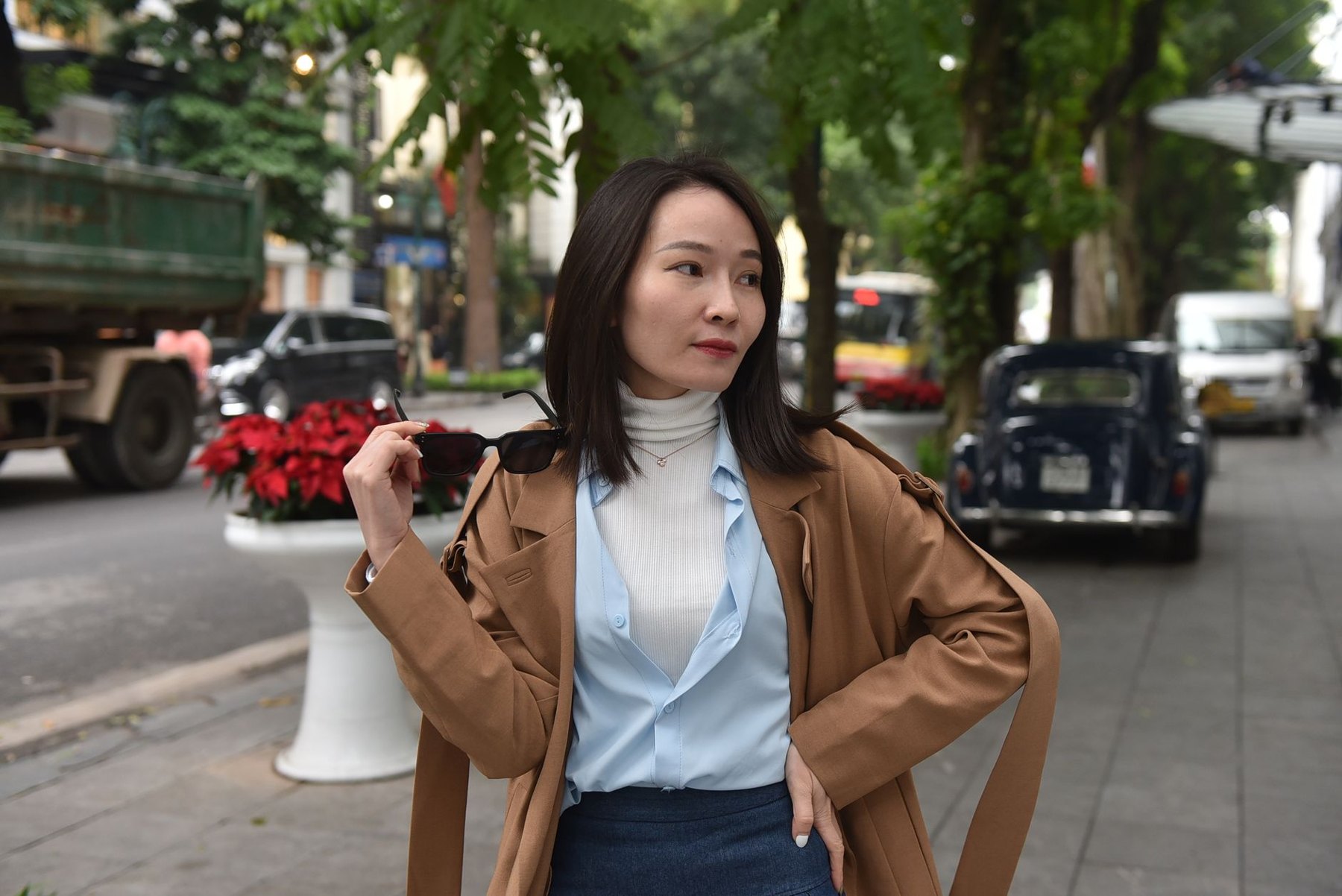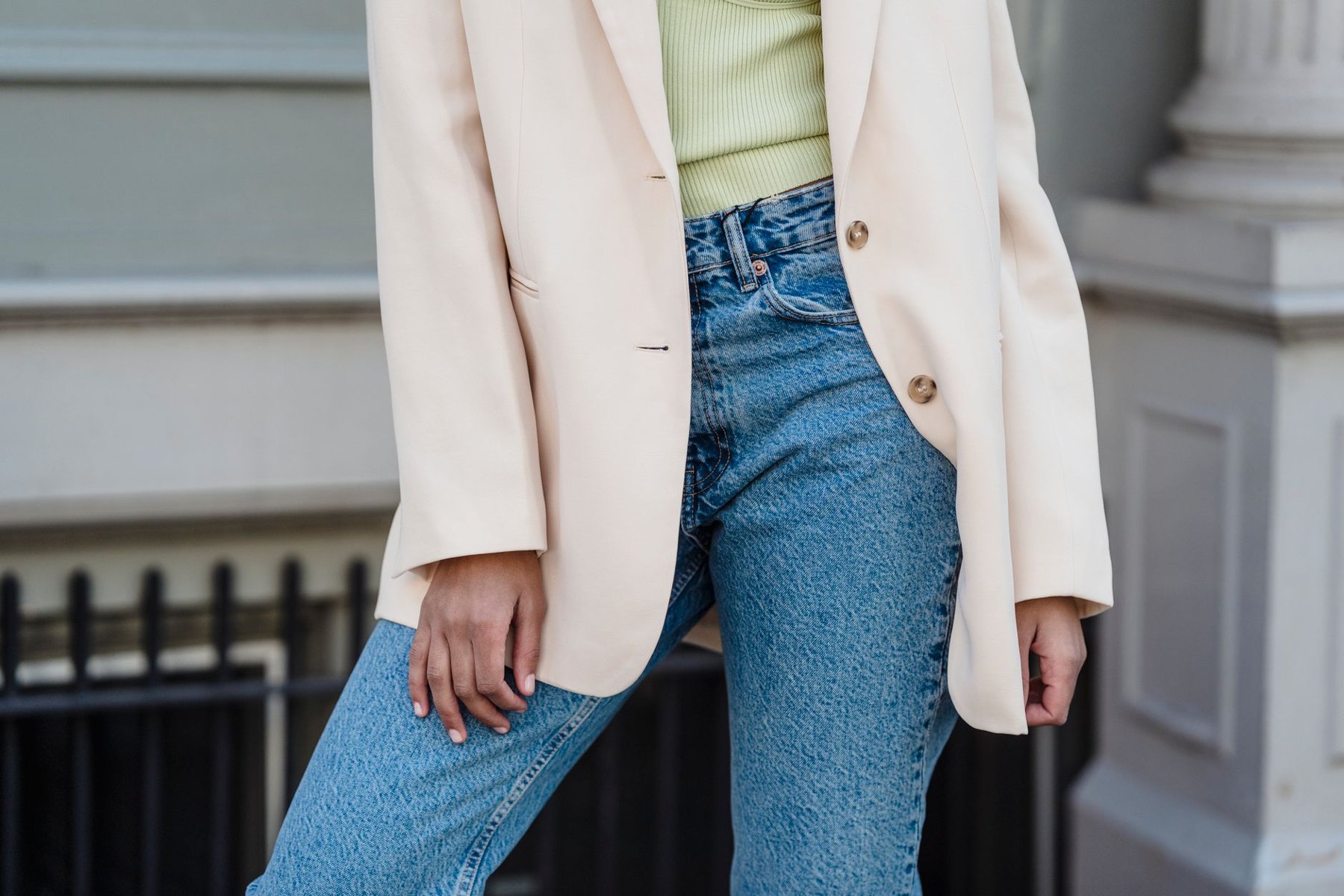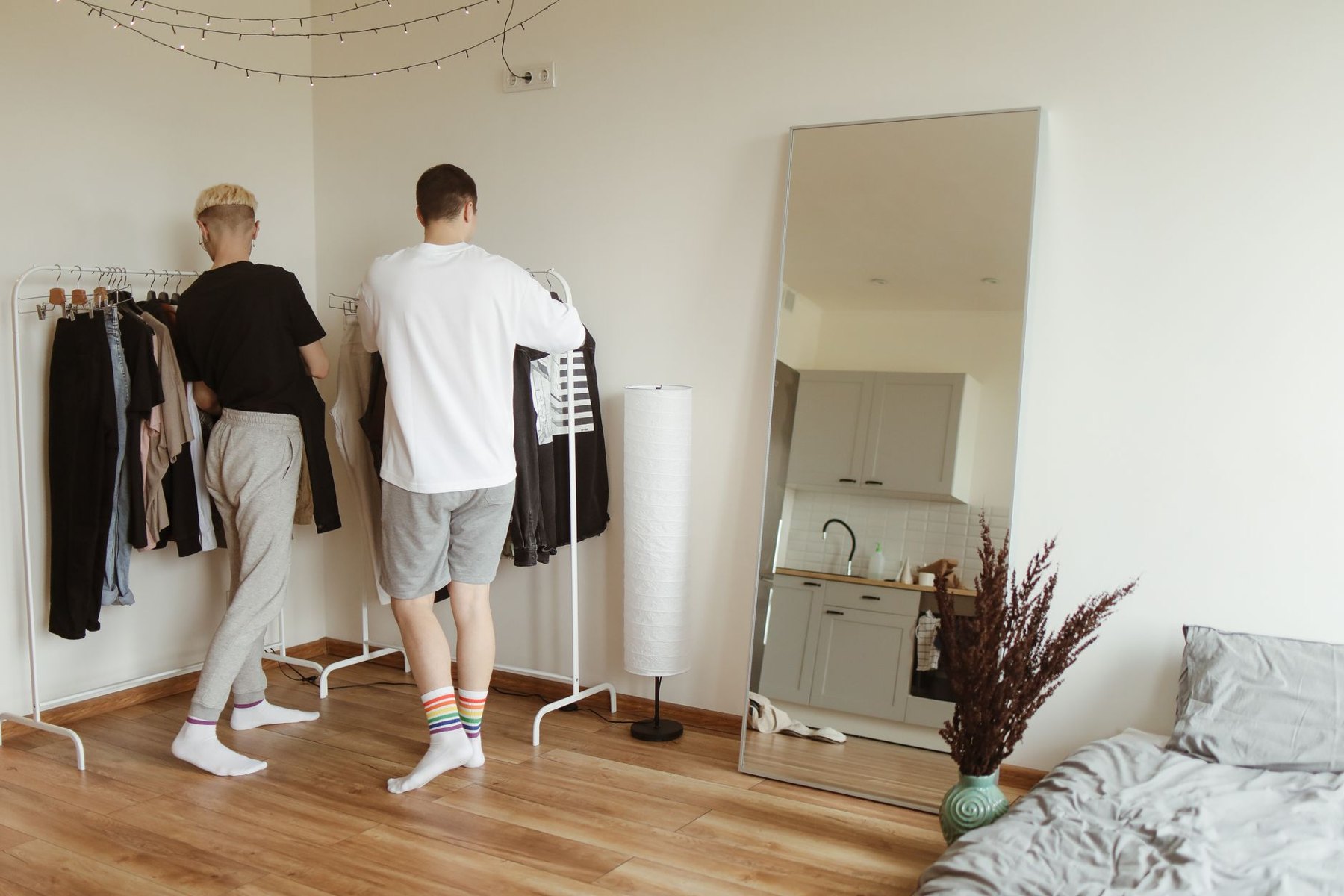
You reach for the same trousers again while a skirt you like stays untouched. A shirt seems too formal, a cardigan feels difficult to style, and several almost-right pieces keep moving from hanger to hanger. Before deciding you need more clothes, give those pieces a proper outfit try-on.
The aim is to find out what your wardrobe can already do, what needs a little attention, and whether a missing item would actually make getting dressed easier. Set aside about an hour, choose one everyday dressing problem, and work with a manageable section of your clothes.
Start with one situation you actually dress for
A whole-wardrobe overhaul can turn into a floor covered in clothes and very few decisions. A narrower question gives the session a useful direction: What can I wear to work on days without meetings? Which outfits feel comfortable for a weekend lunch? What works when the morning is cool but the afternoon is warm?
Pick a situation that comes up regularly and currently causes friction. Consider the practical details before pulling anything out:
- How much walking, sitting, or standing does the day involve?
- Which shoes suit the journey as well as the destination?
- Do you need an extra layer, usable pockets, or a particular level of coverage?
- Are there workplace expectations or activities the outfit needs to accommodate?
- How much washing, ironing, or adjustment are you willing to do?
An outfit that looks appealing but needs constant attention may have a place in your wardrobe. It simply may not solve your Tuesday-morning problem. Keep the session focused on clothes you can imagine wearing through the actual day.
Pull out a small working selection
Choose roughly eight to twelve pieces, excluding accessories. Include a few dependable favorites alongside the overlooked clothes you want to reconsider. Your familiar pieces provide a useful starting point: you already know how they feel and what you like about them.
For a casual workwear session, that selection might include two pairs of trousers, a skirt, three tops, a cardigan, and a jacket. Add shoes and bags you already use for those days. There is no need for every item to coordinate with everything else.
Give overlooked pieces a quick inspection. Check for missing buttons, loose hems, marks, uncomfortable linings, or a closure that needs attention. Put anything requiring cleaning or repair to one side, with a note about the problem. You can still consider its styling potential, but keep it out of your ready-to-wear outfit count.
Leave emotionally complicated decisions for another time. You can explore a garment without immediately deciding whether to keep it forever.
Build a familiar outfit, then change one thing
Begin with an outfit you already wear. Put on the shoes, too. Notice what makes the combination dependable: perhaps the waistband feels comfortable, the top sits neatly under a jacket, or the shoes give you enough room to walk.
Now replace one component with an overlooked piece. Swap your usual T-shirt for the neglected shirt, or your regular jeans for the skirt. Keeping most of the outfit familiar makes it easier to identify what works and what feels awkward.
For example, try straight-leg trousers and loafers with a button-down shirt you usually reserve for formal occasions. Test the shirt tucked in, loosely tucked at the front, and untucked. Then try it open over a simple tank, if that suits the setting. Each version gives you information about how you prefer to wear it.
Change one variable at a time. Switching the top, shoes, jacket, and jewelry together can leave you unsure why a combination improved. A slower sequence is often more useful than trying lots of unrelated outfits.
Adjust the proportions before rejecting the pairing
Some combinations feel wrong because of where garments meet. Before dismissing two pieces, look at the hem lengths, the amount of fabric around the waist, and how the outfit changes when you add a layer.
Try three versions of the same top
Wear it loose, tuck it fully, and try a small front tuck. None is automatically better. A full tuck may bunch under fitted trousers; an untucked shirt may sit exactly where you like it. Choose the version that feels comfortable and gives you the shape you want.
Move the layer
A cardigan buttoned through can serve as a top if its fit and neckline feel comfortable. Worn open, it changes how much of the outfit underneath is visible. A jacket with pushed-up sleeves may feel more relaxed, provided the sleeves stay put without constant adjustment.
Change the shoe shape
Try the same outfit with two pairs you own. Compare a low-profile shoe with a more substantial one, or a closed shoe with a sandal when the weather allows. Notice how much trouser hem gathers over each pair and whether the combination suits your day.
These adjustments are options, not rules about balancing your body. You might enjoy an oversized shirt with wide trousers, or prefer a closer-fitting top. The useful question is whether the outfit feels intentional and comfortable to you.
Give the overlooked item a different role
A piece can become difficult to wear when you only associate it with its original purpose. The shirt bought for interviews may work with faded denim. A special-occasion skirt might feel easier with a plain knit and everyday shoes. A lightweight dress could work beneath an existing sweater, depending on how the fabrics sit together.
Try one change in formality at a time:
- Pair a tailored jacket with your usual casual trousers and a simple top.
- Wear a dressier blouse with denim and understated accessories.
- Try a matching set as separates, pairing each half with a familiar favorite.
- Use a lightweight shirt as an open layer over a sleeveless outfit.
Check the result from the side and back as well as the front. Layering can create bunching that is easy to miss while standing still. If a sweater over a dress needs repeated smoothing, that combination may be more effort than you want.
You also do not have to make every garment casual. A piece you love for occasional dinners can stay an occasional piece. The session is about finding useful possibilities, not assigning every item maximum duties.
Finish the outfit with what you already own
Once the main clothes feel promising, add the finishing pieces. Choose a bag you can actually carry for the occasion, a weather-appropriate outer layer, and any accessories you enjoy wearing.
Use accessories to explore a specific change. A belt can hold a waistband where you want it, if the fit allows. A necklace can add interest to a plain neckline. A scarf can bring a favorite color closer to your face. You can also remove accessories if the outfit feels busy.
If you are unsure about color, start with a combination you already like. Bring one of those colors into the overlooked garment's outfit through an existing top, shoe, or bag. Repeating a color is one option; leaving the garment as the only strong color is another.
Keep your preferences in view. If you routinely take bracelets off to work, they probably will not rescue a weekday outfit. A combination should still feel complete enough for you when worn in your usual way.
Put each promising outfit through a movement check
Spend a few minutes moving before calling an outfit successful. Sit down, reach forward, walk across the room, and put the outer layer on. Try carrying the bag as you normally would.
Watch for issues you might otherwise discover after leaving home: a waistband that digs in while seated, a neckline that needs repeated adjustment, sleeves that pull under a jacket, or a hem that catches on your shoes.
Separate a styling preference from a fit problem. If you dislike the shoes with a skirt, another existing pair may help. If the skirt's fastening feels strained or its waistband is uncomfortable, different jewelry will not resolve that. Try another size already in your wardrobe, consider an appropriate alteration, or set the piece aside.
Your body does not need to change to justify keeping an outfit. Clothes that do not fit comfortably today can be stored separately or reconsidered later, without occupying your everyday getting-dressed space.
Record the combinations you would wear again
Take a quick photo of each useful outfit, including the shoes. A mirror photo is enough; the purpose is to remember the combination. If you prefer not to photograph yourself, lay out the pieces and add a short note about how you wore them.
Record the details that might be easy to forget: shirt tucked in, cardigan open, particular socks, or jacket sleeves left down. Name the outfit by its likely use, such as “office with walking shoes” or “weekend lunch, cool weather.”
Keep the shortlist selective. Three combinations you want to wear are more useful than twelve you feel you ought to like. Put one into rotation soon so you can find out how it works beyond the try-on. After wearing it, note any adjustment that would make the next outing easier.
Make repairs specific and manageable
Gather the pieces that showed promise but need attention. Replace a vague “fix clothes” task with a short list of observable jobs: secure a loose button, examine an unraveling hem, or ask about shortening trousers for the shoes you intend to wear.
Keep cleaning and repairs separate from alterations. A missing button may be a straightforward home task if you have the materials and skills. Changes to fit or construction may need someone experienced to assess what is possible.
Before arranging an alteration, consider:
- Do you like the garment apart from this particular issue?
- Can you name outfits you would wear once it is addressed?
- Is the rest of the fabric and construction in a condition you are happy with?
- Does the proposed work suit the time and money you want to spend?
A repair pile needs a limit and a next action. Choose a few worthwhile tasks you can realistically complete or arrange. If a garment has waited through several rounds of reconsideration, acknowledge that you may not want it enough to do the work.
Write a gap list only after the try-on
Keep shopping notes out of the first part of the session. Once you have tested combinations, review the problems that remained. Look for a repeated obstacle rather than treating every unsuccessful pairing as a reason to buy something.
“Need more tops” is too broad to guide a decision. A useful note describes the job an item would do, the clothes it would work with, and the practical requirements.
| Vague wish | Specific gap to investigate |
|---|---|
| Better basics | A washable, opaque top that sits comfortably under both existing work jackets. |
| New shoes | A pair suitable for the commute that works with the trouser hems tested during the session. |
| More layers | A light layer that fits over the sleeveless tops already worn regularly. |
Before keeping an entry, name two or three existing outfits it could support. Check whether a repair, a different pairing, or an item stored elsewhere already solves the problem. If the need depends on an imagined lifestyle or several further purchases, leave it off the immediate list.
Finish by returning successful pieces where you can reach them easily and placing repair items with their notes. Choose one rediscovered outfit for the next suitable day. You will have something concrete to wear, plus clearer information about any purchase you decide to consider later.