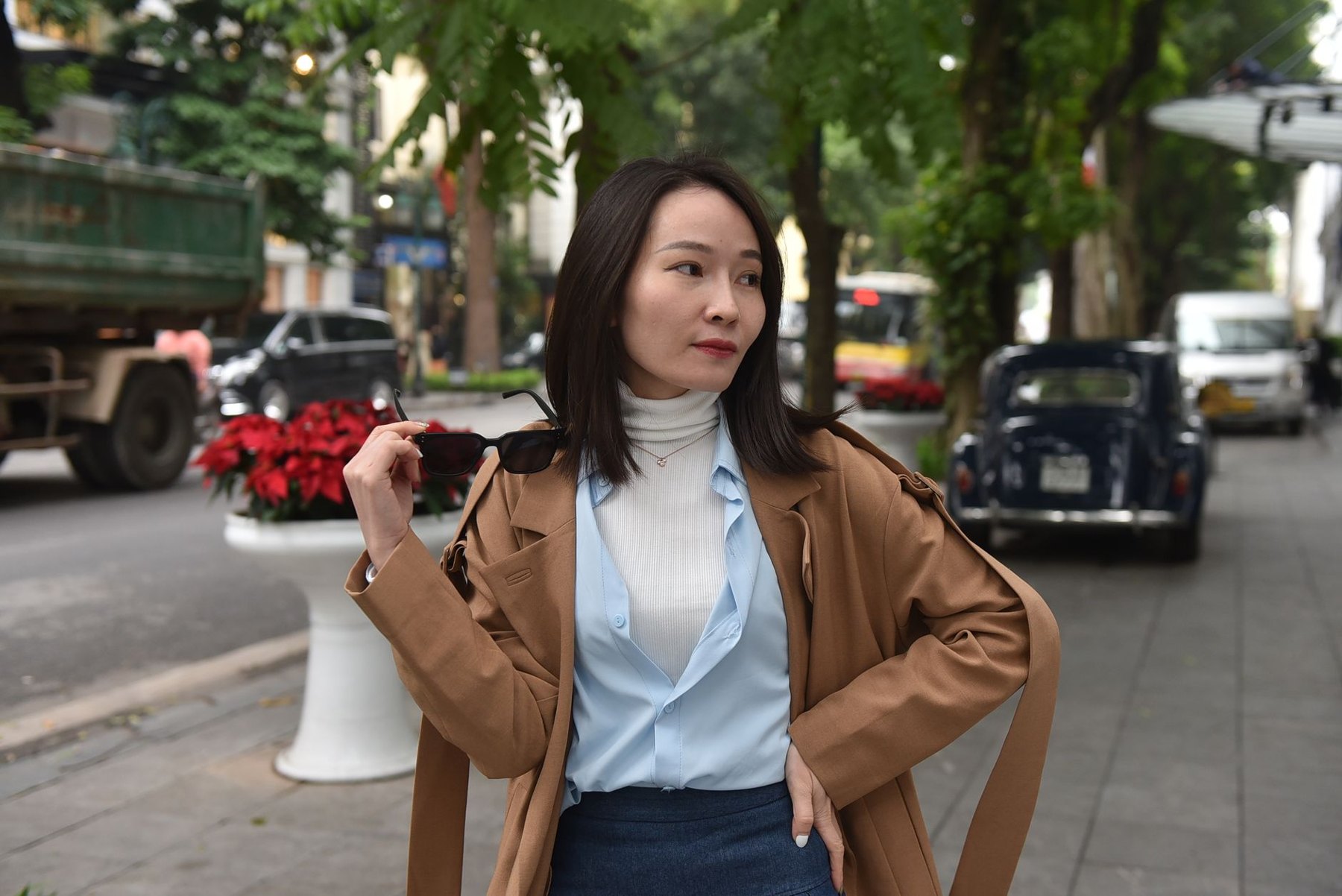
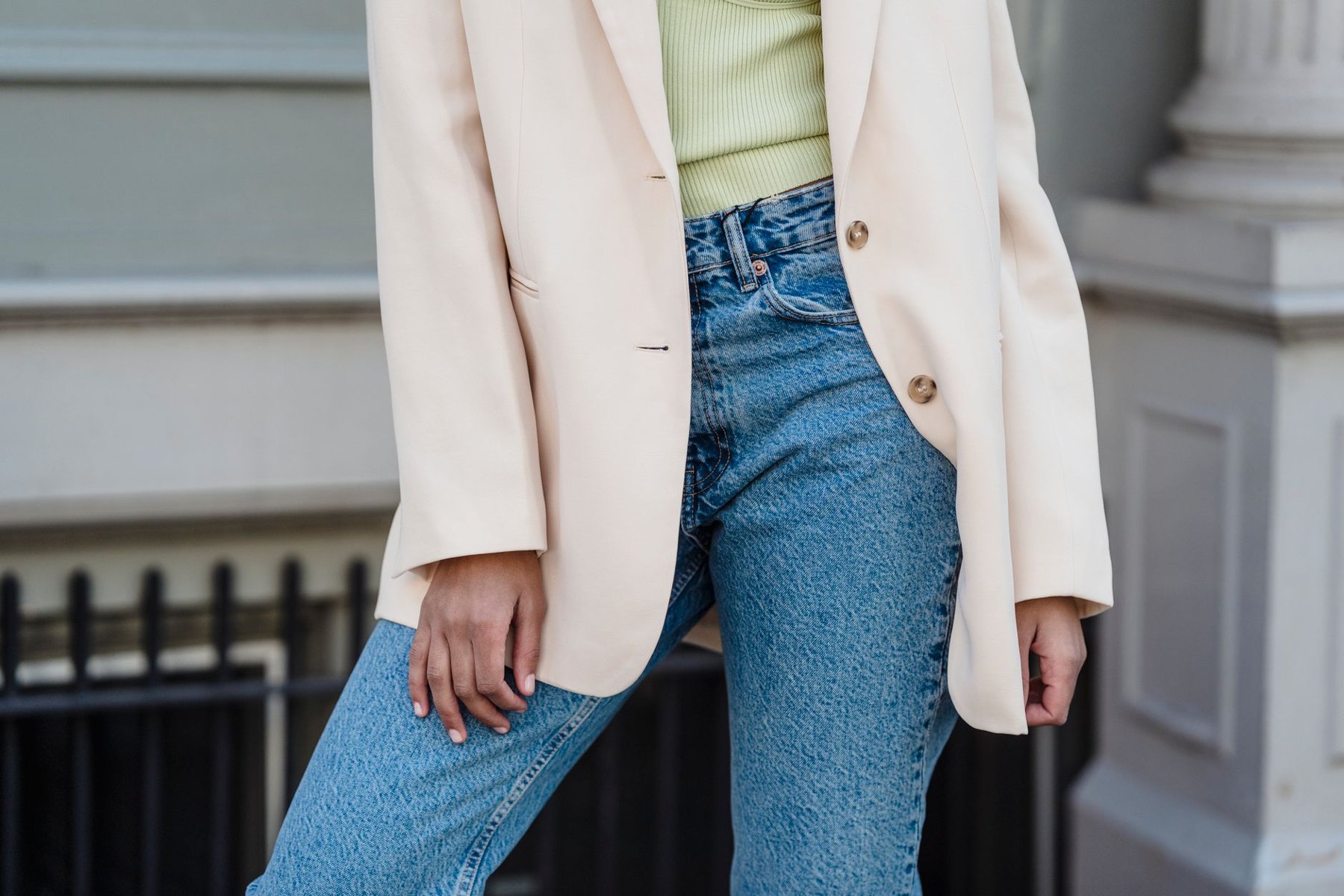
A boxy shirt, loose cardigan, and straight jeans can look easy together—or leave you feeling buried in fabric. The difference often comes down to three small decisions: where the sleeves finish, which hems remain visible, and how the colors connect. You do not need a fitted outfit to create definition. You need a few places where the layers are easy to read.
For a Korean-inspired casual look, start with a simple combination: a plain T-shirt, an open boxy shirt, straight denim, and clean sneakers. Here, “Korean-inspired” describes a styling direction built around relaxed proportions and understated combinations, rather than a single look that represents everyone’s style. Use the ideas as a starting point, then adjust the volume, coverage, and color to suit your day.
Build the outfit around one relaxed outer layer
Choose either a boxy shirt or a lightweight cardigan as your main layer first. This gives you one clear decision to build around. Adding both can work, but starting with fewer pieces makes it easier to see whether the proportions suit you.
A boxy shirt creates a broad, relatively structured outline. A soft cardigan falls closer to the body and moves more freely. If your jeans are already roomy, a shirt with a little structure can make the combination feel more defined. If the denim feels stiff or substantial, a lightweight cardigan can soften the overall effect.
- Choose your outer layer. Check its shoulder width, sleeve length, and hem before adding anything else.
- Add a simple base. A plain tee or tank makes overlapping edges easier to distinguish.
- Put on straight denim. Look at the full outline, including how the jeans meet your shoes.
- Adjust one detail at a time. Roll a sleeve, change the base layer’s length, or tuck a small section of the front.
Leave accessories until the end. If an outfit feels unresolved, a bag or necklace may not solve the underlying issue. First check whether the sleeves cover more of your hands than you intended, the hems form an awkward cluster, or the jeans gather heavily over the sneakers.
Choose boxy shirts by shape, not just size
A shirt designed with a boxy cut can give you width without excessive length. Sizing up in a longer shirt may add room, but it can also move the cuffs and hem farther than you want. Neither approach is wrong; they simply create different proportions.
Try the shirt open over a tee and look at where its front edges fall. They should hang in a way you enjoy without needing constant adjustment. Then button it and sit down. A layer that looks good standing still should also give you enough room to move comfortably.
Use the hem to set the balance
A shorter boxy shirt lets more of the jeans show and keeps the upper half visually compact. A longer shirt creates a more extended line and offers additional coverage. With either length, you can leave the shirt open to reveal the base layer and waistband.
If the shirt falls low on the hips and the jeans are generous through the leg, try a shorter tee underneath. That creates a visible break inside the longer outer shape. If you prefer full coverage, keep the tee untucked and use a clearer color difference between the two layers instead.
Give long sleeves a clear finish
Long sleeves can be part of the relaxed effect, but they should still feel manageable. Fold the cuff back once for a broad, simple turn. For a lighter finish, roll it again and stop below the elbow. Slightly uneven folds can look natural; there is no need to make both sleeves mechanically identical.
If a wide sleeve keeps falling over your hands, a different cuff adjustment may help more than changing the whole outfit. Showing a little wrist also gives a visible endpoint to an otherwise roomy shirt.
Make lightweight cardigans work with the layers underneath
A lightweight cardigan is useful when you want an extra layer without the bulk of a heavy knit. Pay attention to how it behaves over your base: a narrow sleeve may catch on a loose tee, while a very soft cardigan may show every fold underneath.
Start with a tee that sits smoothly through the shoulders and upper arms. It does not have to fit tightly. You simply want enough space inside the cardigan for the two pieces to move independently.
- Wear it open to show the base layer and create two clear vertical edges.
- Button the middle if you want the cardigan to hold its shape while leaving some movement at the neckline and hem.
- Wear it fully buttoned as a soft top, with a small section of the tee visible at the neck or bottom.
Check the result while sitting as well as standing. If the button band pulls or the neckline shifts uncomfortably, change the fastening or choose a roomier cardigan. A relaxed outfit should not require you to stay in one position.
Give visible hems a purpose
A visible tee hem can make a simple combination feel layered, but more exposure is not automatically better. Start with a narrow strip below the cardigan. Then try a longer tee and compare. The useful question is whether the extra length adds something you like or merely makes the outfit feel longer.
When several edges finish close together—the tee, shirt, cardigan, and waistband—the middle of the outfit can become busy. You can simplify it by removing a layer, tucking the base, or choosing pieces whose lengths are more clearly separated.
Try three straightforward hem arrangements
- A short cardigan over a slightly longer tee: Keep the exposed strip even enough that it looks intentional, without repeatedly pulling at it.
- A long open shirt over a tucked tee: Let the waistband provide definition while the shirt supplies the relaxed volume.
- A boxy shirt with the base hidden: Button the shirt and let its own hem become the main horizontal line.
A partial front tuck is another option, especially with a soft tee. Use only enough fabric to reveal a section of waistband. If the tuck produces a large bundle or keeps coming loose, an untucked top may be the more comfortable choice.
Use straight denim as a steady base
Straight denim gives you a relatively simple leg shape to pair with fuller tops. The exact fit can vary: some pairs sit close through the hips and thighs, while others leave more room throughout. Choose by how the jeans feel and fall on your body rather than relying on the label alone.
Try them with the sneakers you plan to wear. A hem that rests lightly on the shoe creates a different effect from one that stacks in several folds. Both can suit a casual outfit, but excess length may compete with an already long, loose top.
If the lower half feels heavy, make one change before replacing the jeans. Try a single cuff, a shorter outer layer, or sneakers with a less bulky shape. Cuffing substantial denim can itself add volume, so compare it with leaving the hem down.
For color, medium blue denim is an easy starting point with cream, gray, navy, and pale blue layers. Dark denim creates a stronger contrast with light tops. Ecru denim offers a softer alternative, though you may prefer darker jeans for days when marks and splashes are a concern.
Connect the layers with tonal colors
Tonal dressing means using related colors, not finding an exact match for every piece. An oatmeal cardigan, ivory tee, and ecru jeans can sit together even when their undertones differ slightly. Texture helps distinguish the layers: a matte cotton tee, a fine knit, and denim each catch light differently.
If a combination feels flat, change the depth of one piece. A charcoal cardigan over a light gray tee creates a clearer separation than two nearly identical grays. If it feels too sharply divided, bring the colors closer together.
| Color direction | Layer combination | Denim and shoes |
|---|---|---|
| Soft neutrals | Oatmeal cardigan with an ivory tee | Medium blue jeans and off-white sneakers |
| Cool blues | Pale blue shirt with a white tee | Dark blue jeans and gray sneakers |
| Gray tones | Charcoal cardigan with a light gray tee | Washed black jeans and simple white sneakers |
| Earth tones | Muted olive shirt with an ecru tee | Blue jeans and beige sneakers |
Use these combinations as prompts for clothes you already own. A small repeated color—such as a gray sneaker detail echoed in a tee—can connect the outfit without requiring a matching set.
Four casual combinations to put together
1. Pale blue shirt, white tee, and medium blue jeans
Wear a boxy pale blue shirt open over a white tee, then add straight jeans and off-white sneakers. Turn the shirt cuffs back so your hands remain visible. If both tops are long, tuck the tee to separate the waistband from the shirt hem.
This is a useful starting combination because each adjustment is easy to see. Buttoning the shirt makes it feel more contained; leaving it open gives the base layer more presence.
2. Oatmeal cardigan, ivory tee, and dark denim
Choose a cardigan that finishes around the upper hip and let a small strip of tee show beneath it. Dark straight jeans give the pale upper layers a clear boundary. Finish with simple cream or white sneakers.
If the cardigan feels too soft and shapeless, try fastening a few middle buttons. If that causes pulling, leave it open and tuck the tee instead.
3. Charcoal cardigan, gray tee, and washed black jeans
Combine different depths of gray, keeping the tee lighter than the cardigan. Add washed black straight denim and gray or white sneakers. The color relationship keeps the outfit cohesive while the knit and denim provide texture.
With darker layers, sleeve and hem placement can be subtle. Check them in daylight and adjust for comfort first. A visible tee neckline may provide all the separation you need.
4. Muted olive shirt, ecru tee, and blue jeans
Wear an olive boxy shirt over an ecru tee with straight blue denim. Beige sneakers continue the softer palette. Keep the shirt open, or button it loosely and leave the base visible at the neck.
For warmer conditions, use a short-sleeved boxy shirt. Choose a tee whose sleeves stay comfortably inside it, or wear a tank if that suits your coverage preferences.
Adjust the outfit to your day
For walking or commuting, prioritize sleeves that stay out of your way, hems that clear the ground, and sneakers that feel comfortable over the distance. A relaxed shoulder bag can work with these combinations, but check whether its strap repeatedly pulls an open shirt off your shoulder.
When the weather is warm, reduce layers rather than forcing the full formula. A boxy shirt over a tank may be enough. In cooler conditions, try the shirt beneath a cardigan only if the sleeves fit comfortably together; otherwise, add an outer coat over your two-piece combination.
Before heading out, make one final check: move your arms, sit down, and walk a few steps. Keep the sleeve turn, visible hem, and color combination that still feel right in motion. Those small decisions give relaxed layers their definition—and let you get on with your day.